SALLUSTIUS CRISPUS, Gaius. Opera.
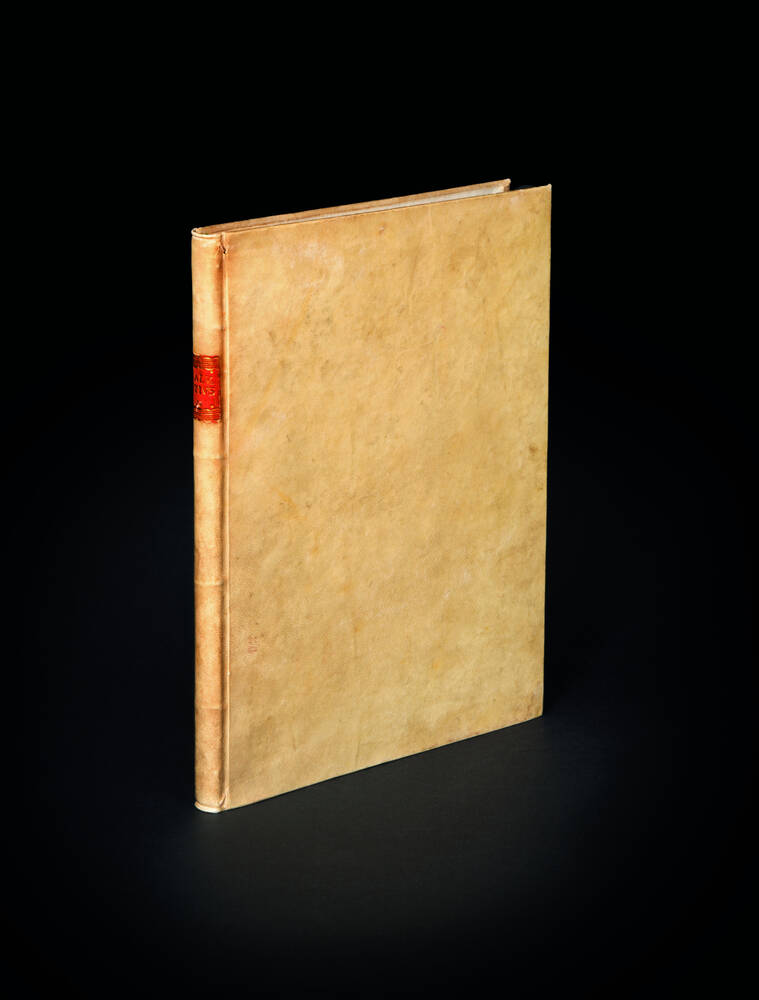
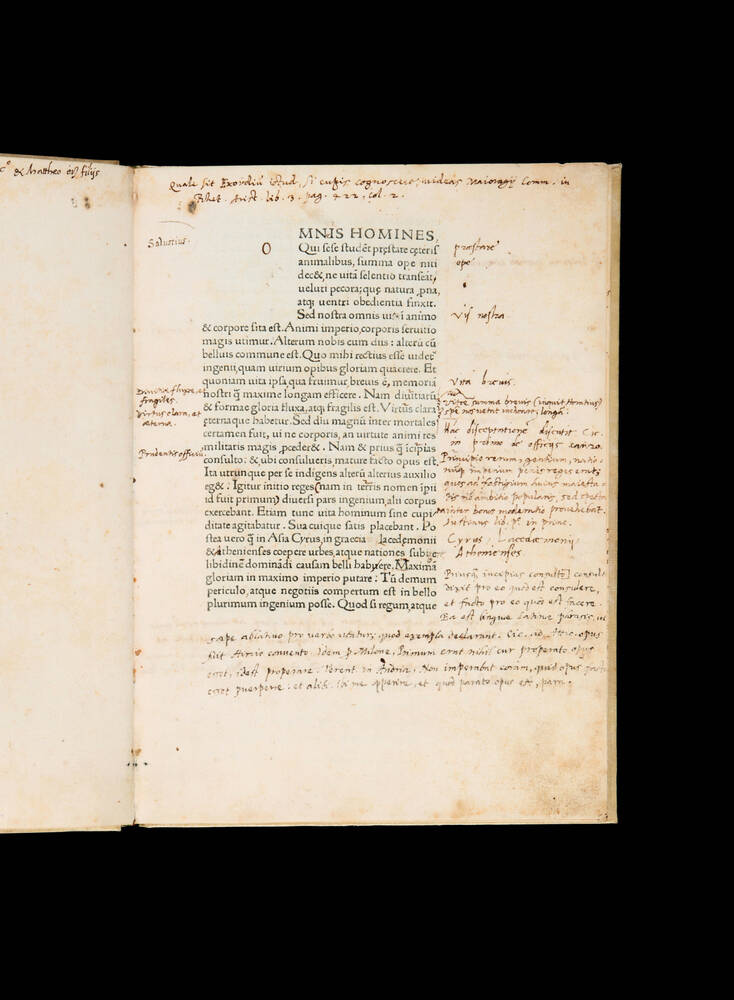
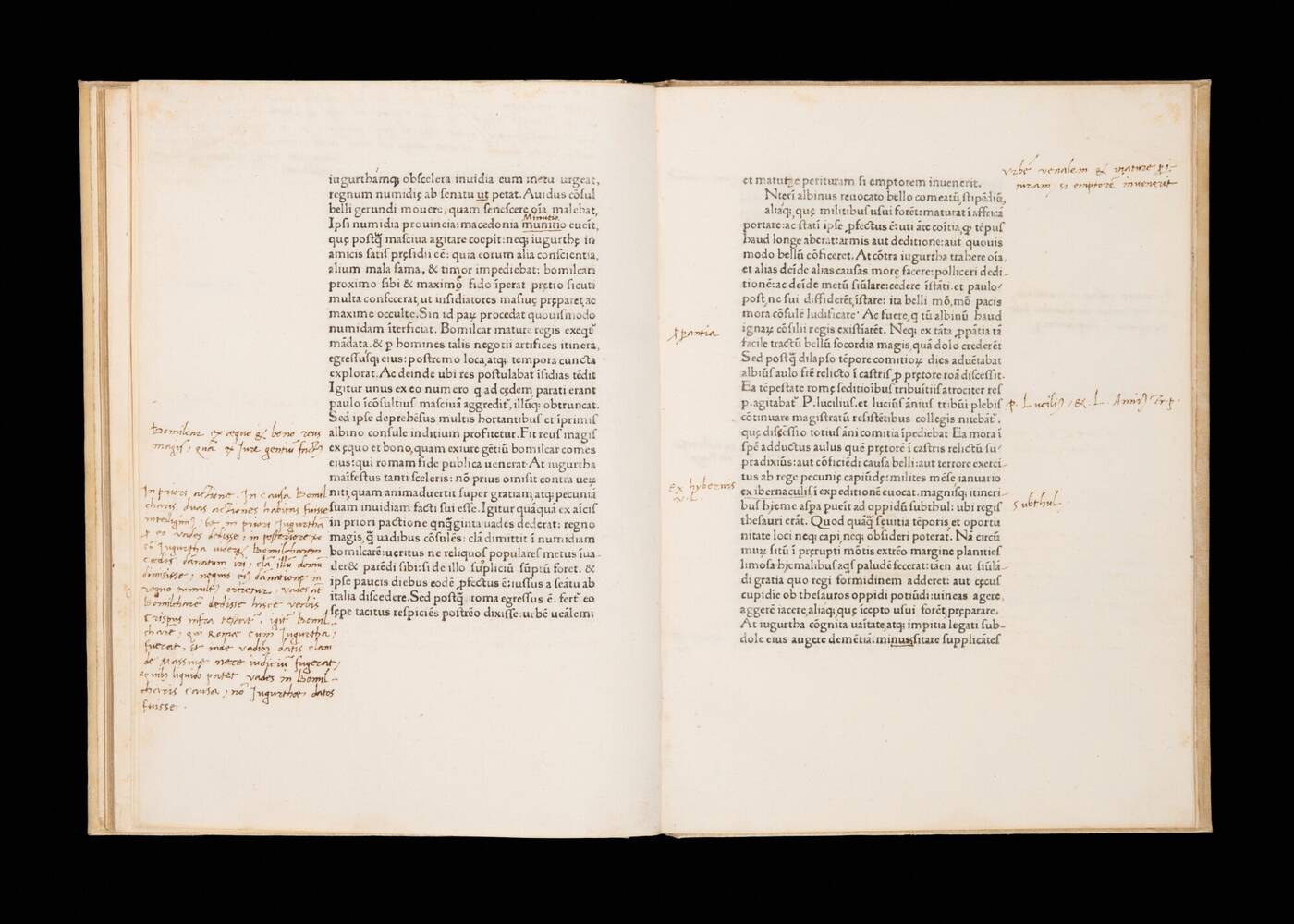
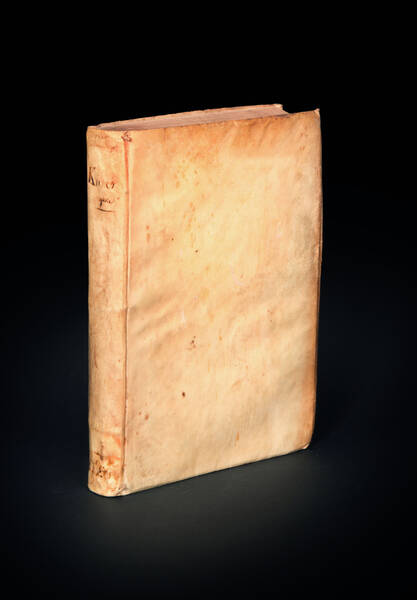
Venice, Vindelinus de Spira., 1470.Quarto (276×205mm), 2 parts in one volume. [72] leaves. Collation: [a b12; c–f12] (a1 blank). Colophon (f12r): EXPLICIT .M.C.C.C.C.L.X.X. / Qui cupis ignotum Iugurthe noscere letum. / Tarpeie rupis pulsus ad ima ruit. / Quadringenta dedit formata uolumina crispi / Nunc lector uenetis spirea uindelinus / Et calamo libros audes spectare notatos / Aere magis quando littera ducta nit&. 30–32 lines per page, Roman type 110R. 2- and 7-line blank initial spaces. Modern stiff vellum binding, spine with gilt title on morocco lettering- piece. Few stains, the upper blank margin of the last leaf frayed, overall a very good, wide-margined copy. Provenance: numerous marginalia by different early hands; two manuscript ex-libris on the verso of rear pastedown: 'Varnerij Manzani castellani Forojulensis' (Cividale del Friuli); 'A Franc & Mattheo eius filijs Jo. Baptistae Bracteolo donus datus' (the poet Giovanni Battista Bratteolo, from Udine, fl. second half of the sixteenth century, and his sons Francesco and Matteo).
Very rare edition, according to ISTC the editio princeps of Sallust's De coniuratione Catilinae and De bello Iugurthino. One of the earliest books printed in Venice by the first Venetian typography, established by Johann de Spira in 1469 and continued by his brother Vindelinus from 1470 to 1473. It is set in the elegant de Spira Roman type, and it is also one of the few editions published by Johann or Vindelinus de Spira whose print runs are recorded in colophons: this edition appeared in 400 copies. Only three copies are recorded in US libraries (Beinecke Library, Morgan Library and Princeton University Library). Another edition of Sallust by an anonymous printer appeared in 1470, and it is unclear which came first. The present copy features extensive annotations throughout by different sixteenth-century hands, attesting to the enduring interest towards the works of Sallust. Gaius Sallustius Crispus (c. 86–35 BC) was one of Rome's major historians. During the civil war of 49–44, he sided with Julius Caesar, who rewarded him by appointing him the as first governor of the province of Africa Nova. Following Caesar's assassination in 44 BC, Sallust retired from public affairs to devote the rest of his life to writing history. He wrote two monographs, his only surviving complete works: the Bellum Catilinae (or De coniuratione Catilinae), on the Catiline conspiracy of 63 BC, and the Bellum Iugurthinum, on the war with the king of Numidia, Jughurtha, in 112–105 BC. Already in ancient times, Sallust was greatly admired as a model historian alongside Thucydides; Tacitus considered him “the most brilliant Roman historian”, and he was praised by St. Augustine. The rich manuscript tradition of his works attests to their popularity between the Middle Ages and the Renaissance, when Sallust was one of the most widely read prose authors. His writings were frequently used in schools for teaching rhetoric, both for their clear Latin style and moralistic outlook on history. His success continued into the second half of the XV century with the advent of the printing press: Sallust was the most widely printed Latin historian for over a hundred years, with ca. 70 incunable editions of his monographs, and 275 editions overall between the XV and XVI century.
BMC V 155; Brunet V 79: "Quoiqu'elle ait été tirée à 400 exemplaires, cette édition est devenue très-rare, et elle est beaucoup plus belle que l'édition suivante, laquelle, portant la même date, peut disputer à celle-ci la qualification de première édition de Salluste"; Goff S-51; GW M39623; HC 14197; ISTC is00051000; Proctor 4026.
Other Books
VECELLIO, Cesare
Degli Habiti Antichi, et Moderni di Diverse Parti del Mondo Libri due, fatti da Cesare Vecellio, & con Discorsi da Lui Dichiarati.
SOLD OUT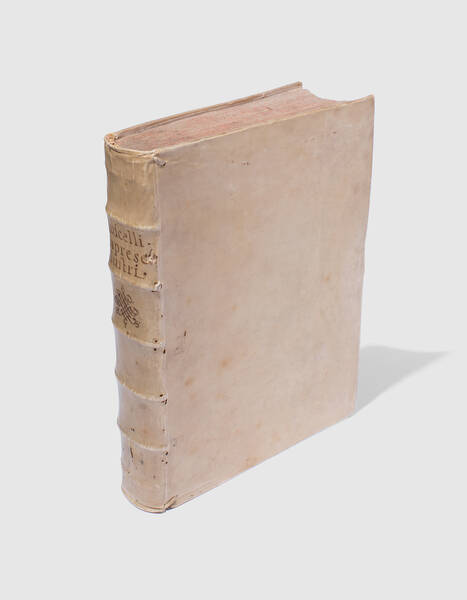
RUSCELLI, Gerolamo
Le imprese illustri con espositioni, et discorsi del s.or Ieronimo Ruscelli.
SOLD OUT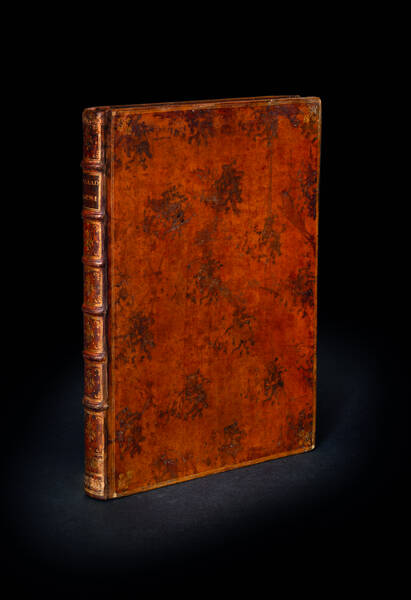
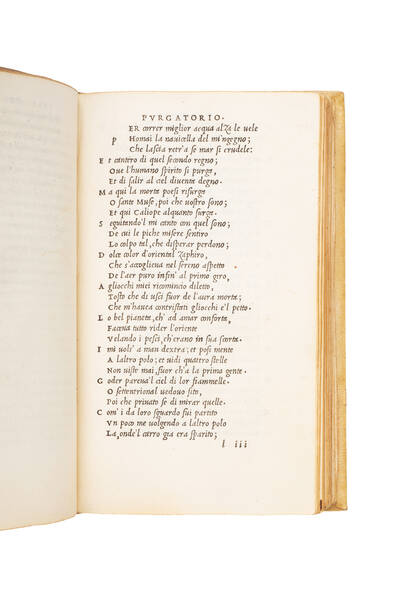
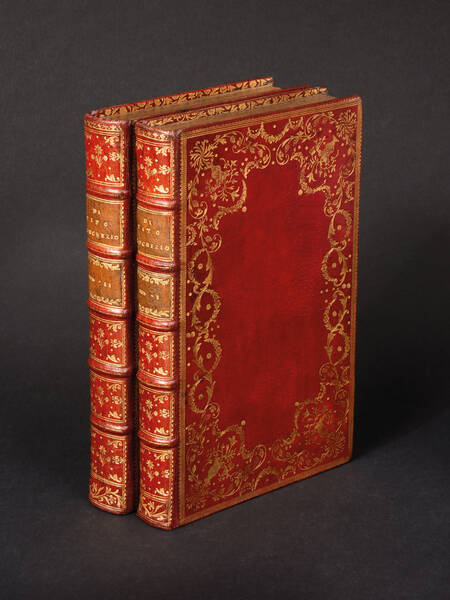
LUCRETIUS, Titus Carus
Della natura delle cose libri sei, tradotti dal Latino in Italiano da Alessandro Marchetti. Dati nuovamente in luce da Francesco Gerbault.
€ 7.000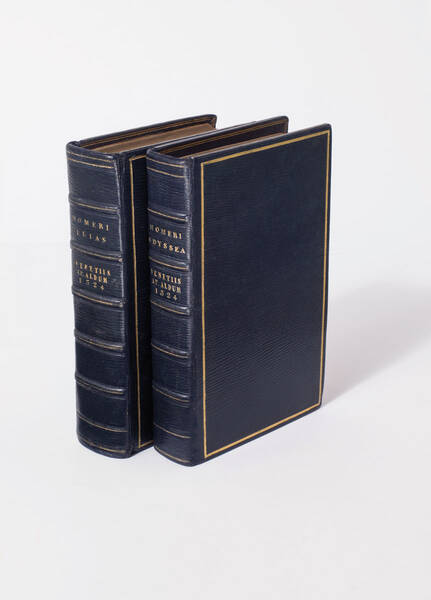
KIRCHER, Athanasius
Obeliscus Pamphilius, hoc est, interpretatio nova & hucusque intentata obelisci hieroglyphici.
SOLD OUT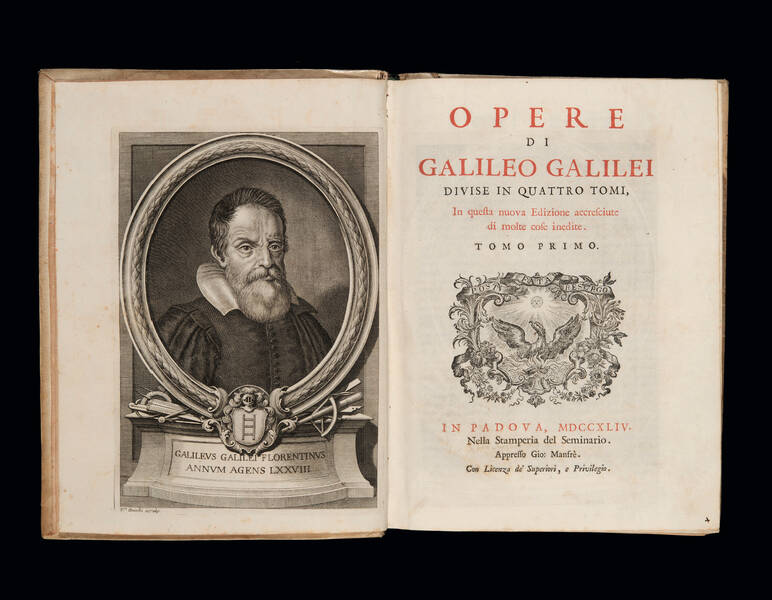
GALILEI, Galileo
Opere, divise in quattro tomi, in questa nuova edizione accresciute de molti cose inedite.
SOLD OUT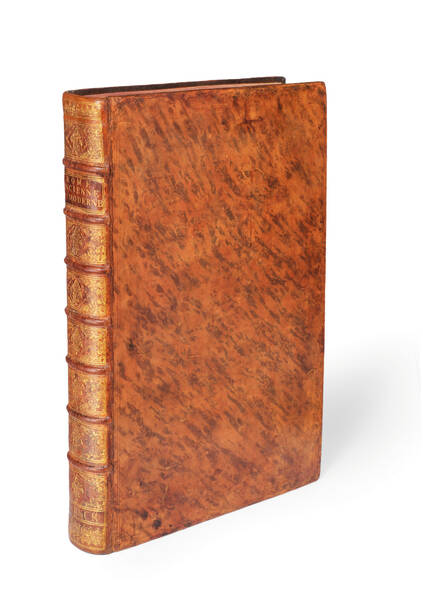
BARBAULT, Jean
Les plus beaux monuments de Rome ancienne.– Les plus beaux edifices de Rome moderne.
SOLD OUT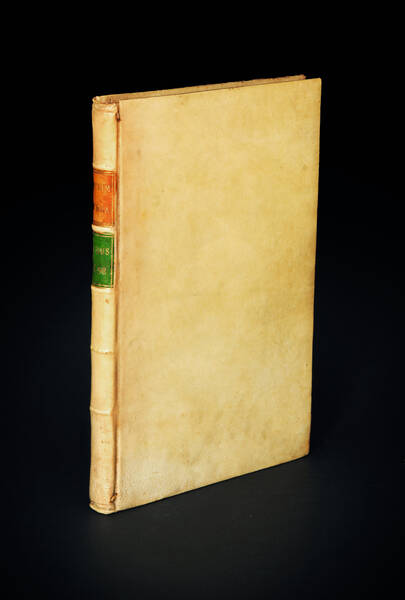
ARCHIMEDES
Archimedis opera non nulla à Federico Commandino urbinate nuper in latinum conversa, et commentariis illustrata.
€ 15.000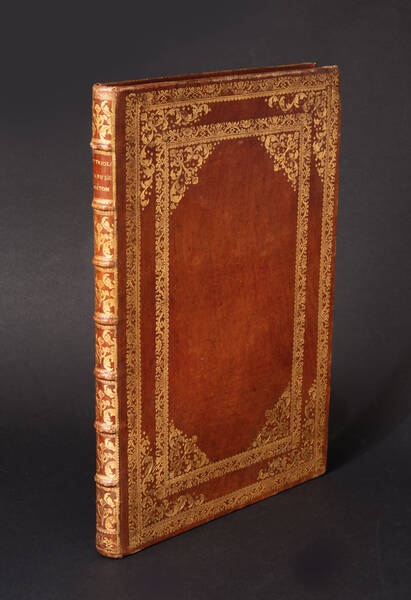
BERRETTINI DA CORTONA PIETRO
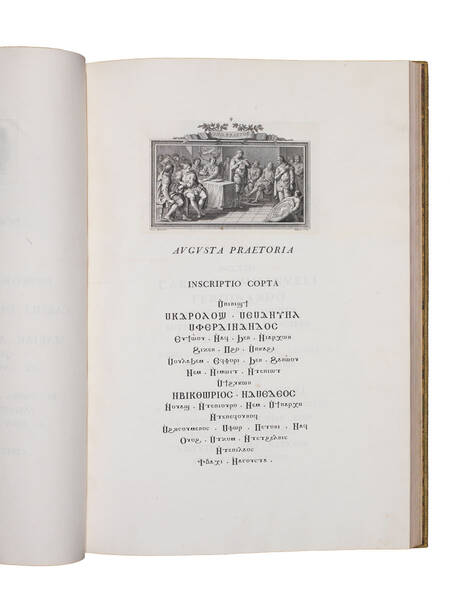
Tabulae Anatomicae a celeberrimo pictore Petro Berrettino Cortonensi delineatae, & amp; egregiè aeri incisae nunc primum produent, et a Cajetano...
SOLD OUT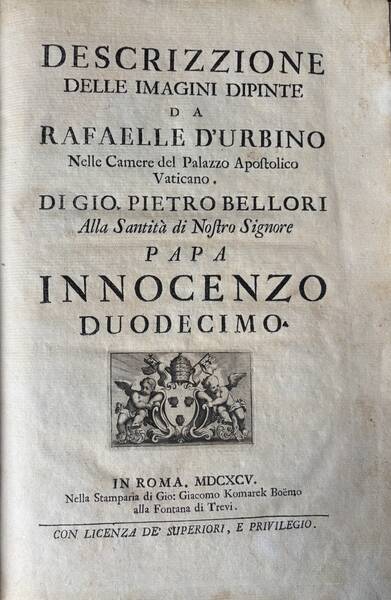
BELLORI, Giovanni Pietro
Descrizzione delle immagini dipinte da Rafaelle d'Urbino nelle camere del palazzo Apostolico Vaticano.
€ 2.500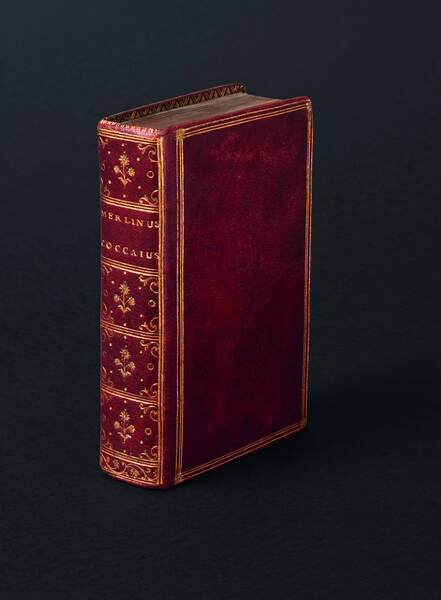
FOLENGO, Teofilo
Opus Merlini Cocaii poetae Mantuani Macaronicorum, totum in pristinam formam per me magistrum Acquarium Lodolam optime redactum in his infra notatis...
€ 11.000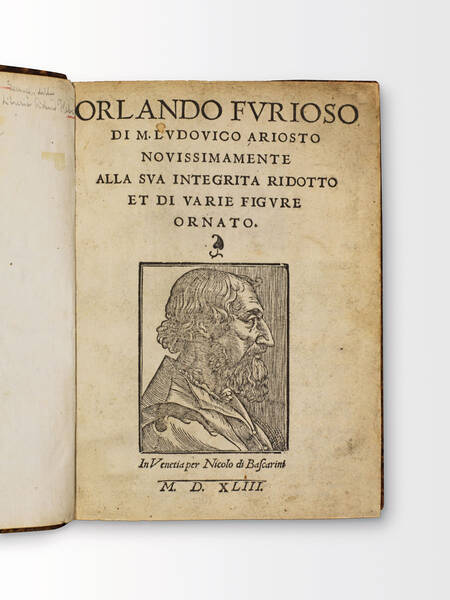
ARIOSTO, Ludovico
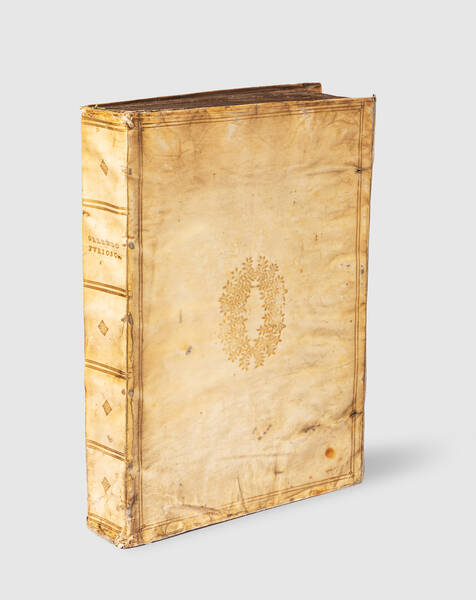
Orlando Furioso di M. Ludovico Ariosto novissimamente alla sua integrità ridotto et di varie figure ornato.
SOLD OUT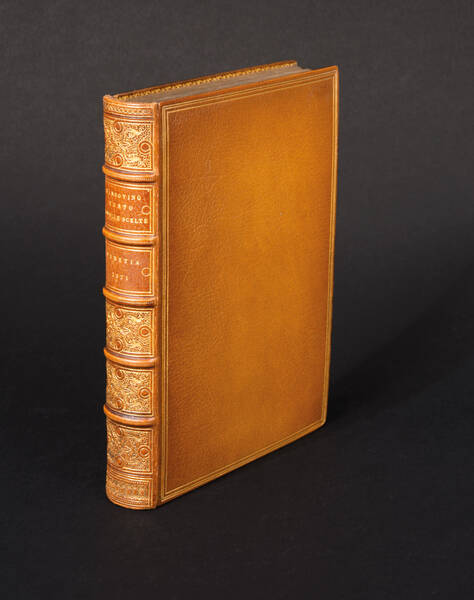
MEDA RIQUIER rare books ltd.
4 Bury Street St James's
SW1Y 6AB London
Phone +44 (0) 7770457377
info@medariquier.com