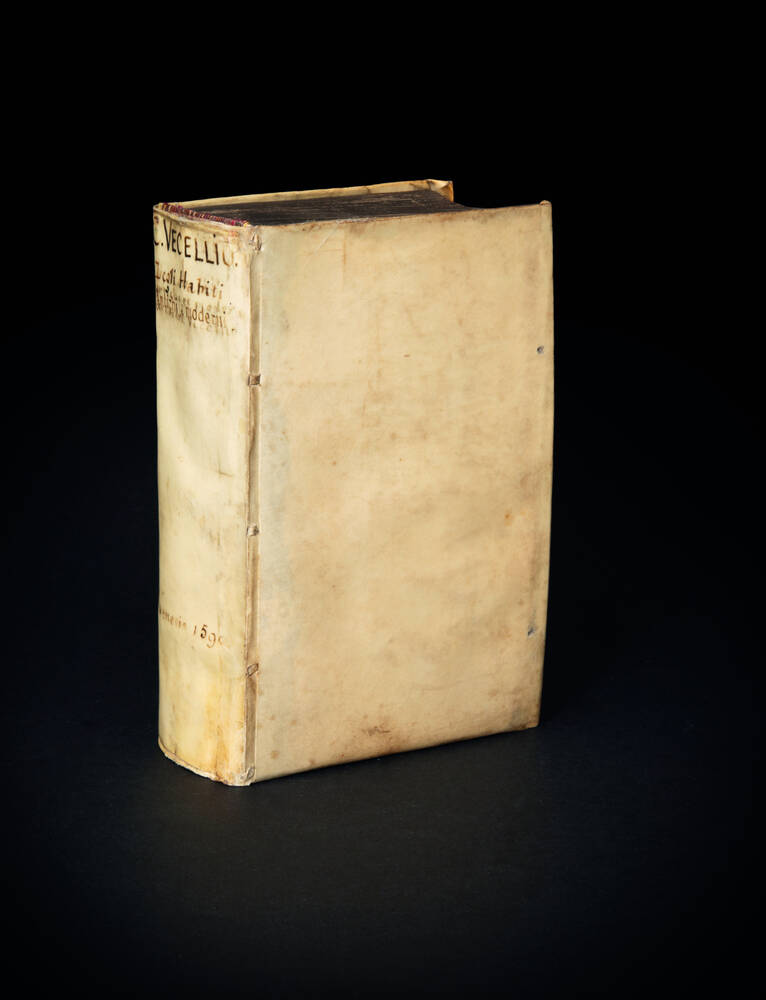
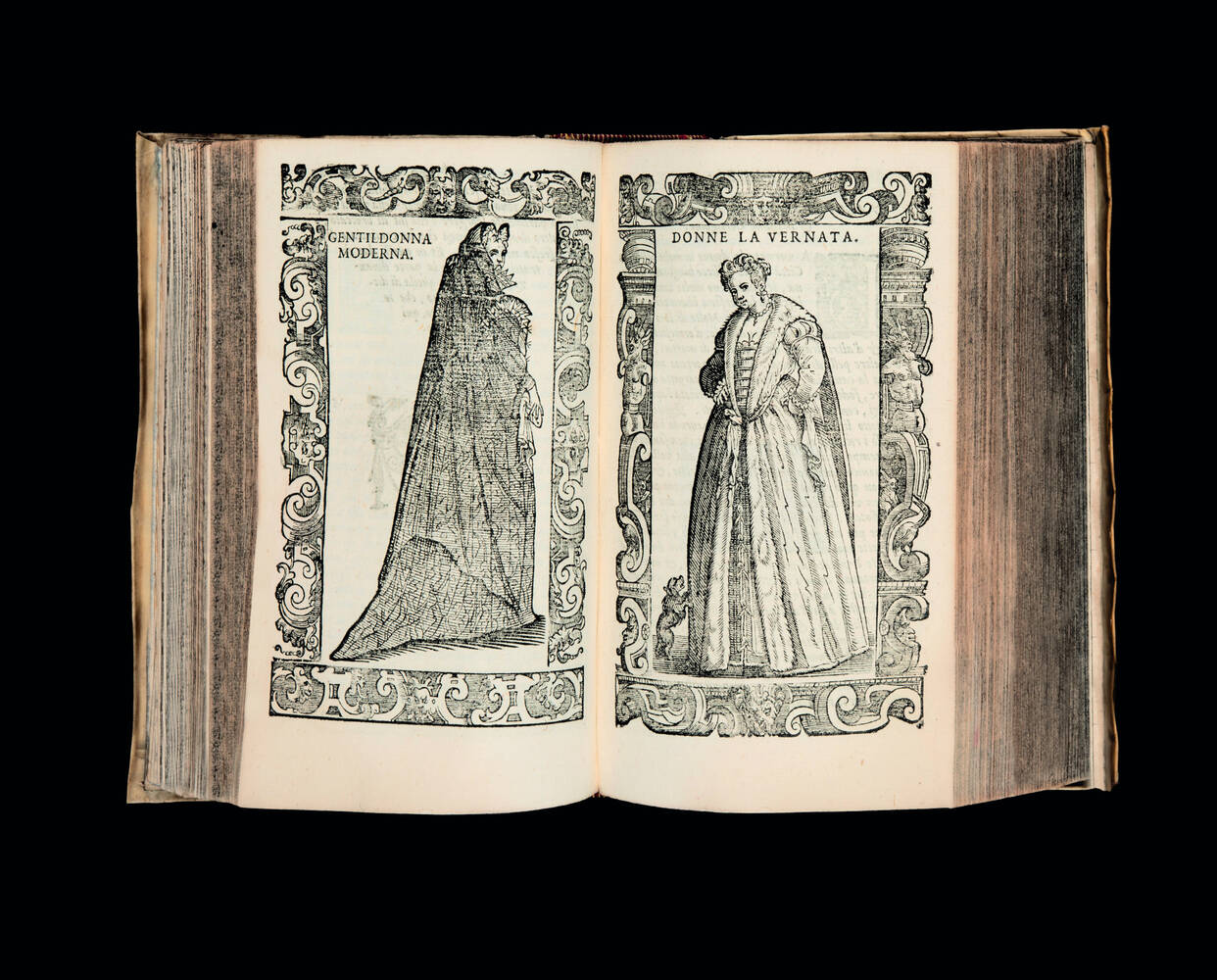
VECELLIO, Cesare. Degli Habiti Antichi, et Moderni di Diverse Parti del Mondo Libri due, fatti da Cesare Vecellio, & con Discorsi da Lui Dichiarati.
Damian Zenaro, Venice., 1590Octavo (182×110mm). [24], 499 leaves. Elaborate woodcut title-page border in the form of a cartouche, with allegorical figures of America, Asia, Africa and Europe at each of the four corners, 412 full-page woodcuts of costumes and two section titles set within 4-part ornamental borders, five full-page woodcut views of Venice, one emblematic woodcut tondo within a ruled frame set on a full page, numerous woodcut ornamental head- and tailpieces, decorative initials of varying sizes, and small printers' ornaments. Contemporary Italian stiff vellum, yap edges, manuscript title on spine. First leaves slightly dustsoiled, one small internal tear, slightly affecting the helm of the Mufti's garment, lacking the final blank page; overall a very fine copy with a distinguished provenance: Carolus van Bosch, of Ghent – Jesuits, Bruges 1665 – Dr. Lucien-Graux (ex-libris), Otto Schäfer (his monogram on rear pastedown).
First edition of this rightly famous and influential costume book, enlivened by a set of over 400 woodcut illustrations of dress and clothing from various parts of the world, with a rich complementary explanatory text. Cesare Vecellio (1521 ca. – 1601), a cousin of the celebrated Venetian painter Titian and a member of his prestigious atelier, was active in Veneto as a painter for most of his lifetime. In his final years, he dedicated himself to the publication of this history of costume with encyclopedic ambitions, both in geographical and chronological terms, encompassing the whole world known at the time and stretching its gaze from the Old Testament and the Classical world to the Renaissance. The treatise is divided in two books, one devoted to Venice, Rome, Italy and Europe, the other dwelling on Asia and Africa (a set of illustrations on America had already been planned in 1590, but only appeared in the second edition of the work, dating 1598). A detailed index of items and geographical places is given at the beginning of the work, to orient the reader. The work stands out for the richness and quality of information, collected from a great variety of sources ranging from classical books, early travel narratives, voyagers' reports, oral testimonies of ambassadors, traders, merchants, soldiers, and the works of art Vecellio encountered during his activity as a painter. Although part of the repertoire of images has been attributed to Cesare's cousin, Titian, all the drawings are most probably the author's own work. With his Habiti antichi et moderni, Vecellio renovated the costume book genre, which had enjoyed enormous success all along the XVI century, as a result of the widening of geographical and cultural horizons that followed the discovery of the New World. Differently from his Italian and European forerunners, Vecellio decided to accompany each illustration with a thorough description and rich commentary: this way, far from being a simple catalogue of ways of dressing, aiming at satisfying the reader's curiosity, the collection becomes an opportunity for broader reflection on how clothing affects society and relates to the cultural and political history of the part of the world each time concerned. Therefore, due to the special attention accorded to Venice and Italy in the first book, the Habiti antichi et moderni provides also an original insight into contemporary Venetian and Italian societies, which are not devoid of political vibrations. In Vecellio's reading, because the ruler is mainly responsible for changes in fashion, the extraordinary variety of XVI century Italian clothing is a direct consequence of Italian history, and of the political fragmentation and instability of the states within its territory. On a more general level, “through the lens of the iconographic reproduction of dress and the text accompanying it, Vecellio's book opens a window onto the complexity of Italian and European Renaissance culture. Illustrating how fashion is linked to both individual and collective history, Vecellio's Habiti can be considered a precursor to modern ethnographic research.” (E. Paulicelli, Mapping the World…)
J. Guérin Dalle Mese, Abiti di Cesare Vecellio: Venezia e “il Veneto”, in T. Conte (ed.), Cesare Vecellio, 1521c.-1601, 2001, p. 125-154; E. Paulicelli, Mapping the World. Dress in Cesare Vecellio's costume books, in G. Riello, P. McNeil (ed.), The Fashion History Reader. Global Perspectives, Routledge 2010.
Other Books
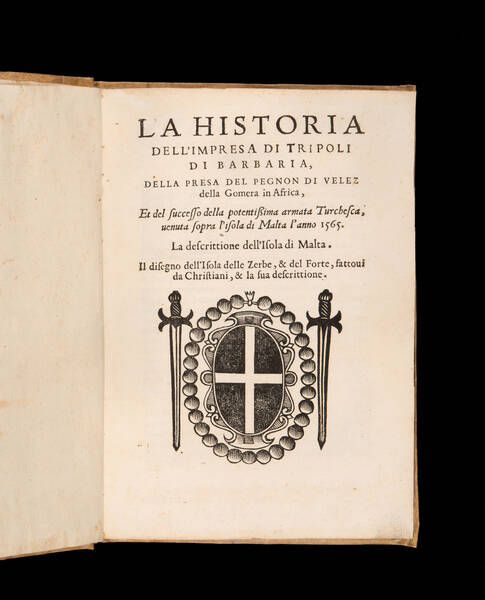
ULLOA, Alfonso de
La Historia dell'impresa di Tripoli di Barberia, della presa del Pegnon di Velez della Gomera in Africa, et del successo della potentissima armata...
€ 12.000
ALBERTI, Leon Battista
Ecatonphyla. Deiphira di messer Leon Battista Alberto Firentino, ne la quale insegna amare temperatamente, & ne fa divenire, o piu dotti ad amare, o...
SOLD OUT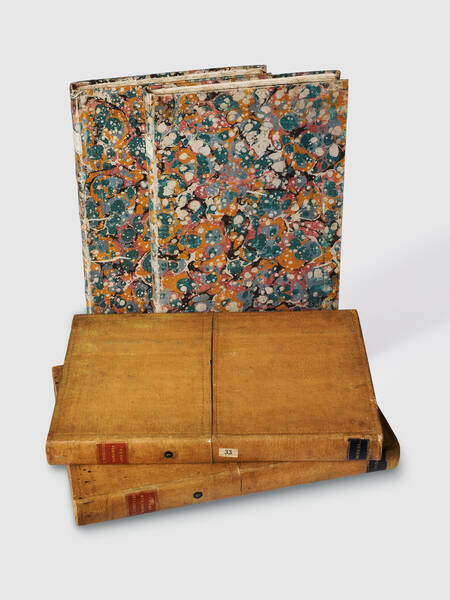
![MORE, Sir Thomas. De optimo reip. statu deque nova insula Utopia ... Epigrammata [with:]
DESIDERIUS ERASMUS. Epigrammata.](https://www.medariquier.com/typo3temp/pics/9344bb41f5.jpg "MORE, Sir Thomas. De optimo reip. statu deque nova insula Utopia ... Epigrammata [with:]
DESIDERIUS ERASMUS. Epigrammata.")
MORE, Sir Thomas; DESIDERIUS ERASMUS
MORE, Sir Thomas. De optimo reip. statu deque nova insula Utopia ... Epigrammata [with:] DESIDERIUS ERASMUS. Epigrammata.
€ 50.000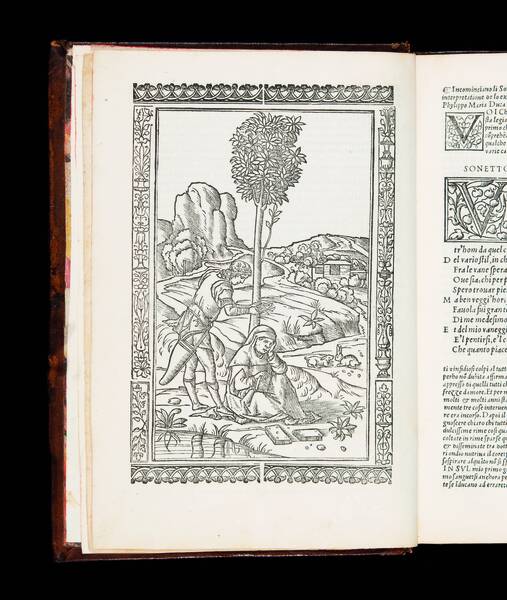
PETRARCA, Francesco
Li Sonetti canzone e triumphi del Petrarcha con li soi commenti non senza grandissima euigilantia et summa diligentia correpti et in la loro primaria...
SOLD OUT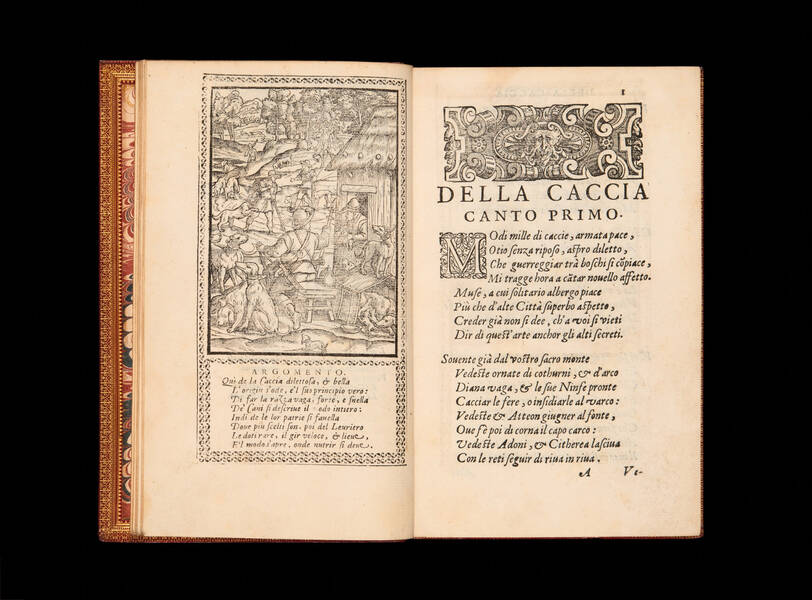
VALVASONE, Erasmo da
Della caccia poema del signor Erasmo di Valuasone. All'ill. signor Cesare di Valuasone suo nepote. Con gli argomenti a ciascun canto del sig. Gio....
€ 3.500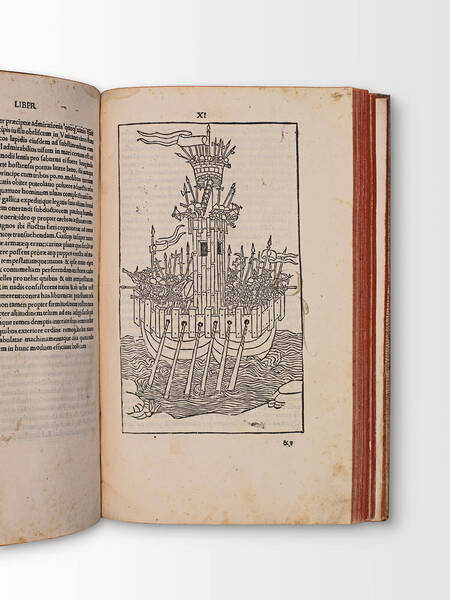
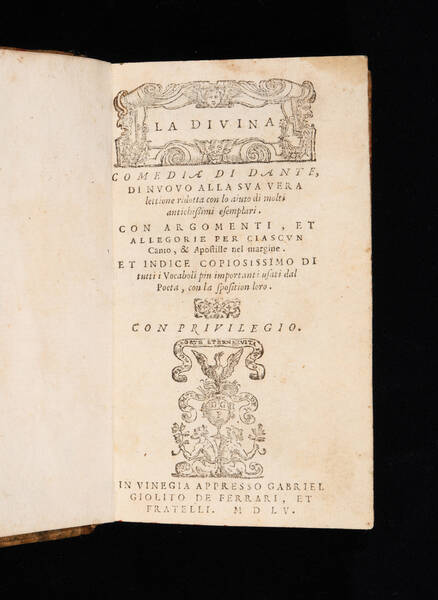
ALIGHIERI, DANTE
La Divina Comedia Di Dante, di nuouo alla sua vera lettione ridotta con lo aiuto di molti antichissimi esemplari. Con argomenti, et allegorie per...
SOLD OUT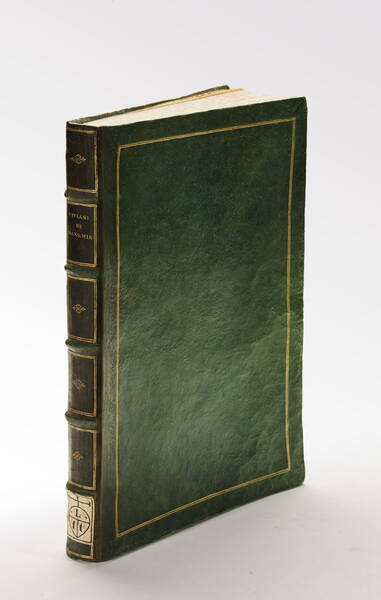
VIVIANI, Vincenzo
De maximis et minimus geometrica divinatio in quintum cononicorum Apollonii pergaei.
SOLD OUT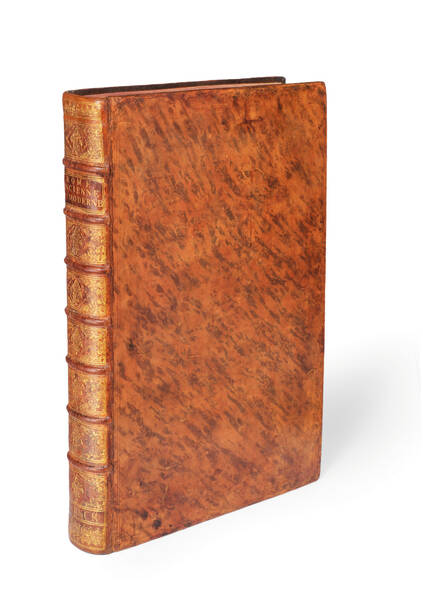
BARBAULT, Jean
Les plus beaux monuments de Rome ancienne.– Les plus beaux edifices de Rome moderne.
SOLD OUT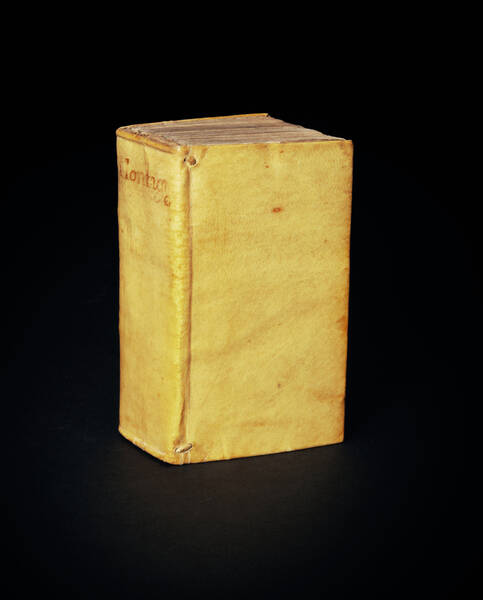
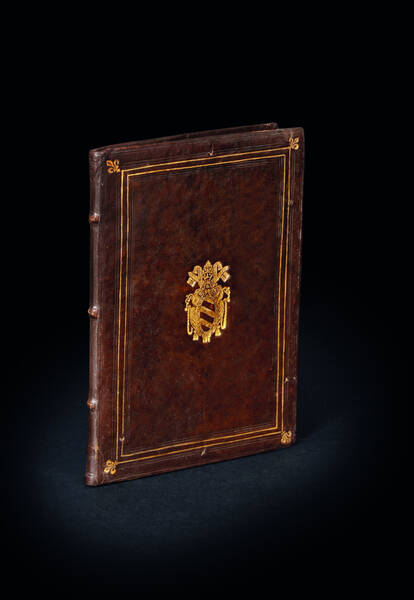
[POPE PIUS V]
Extensio, ampliatio, nova concessio, et confirmatio privilegiorum in sacros ordines, et congregationes claustrales. Pro Canonicis regularibus Ordinis...
€ 12.000![Opera posthuma [Compendium grammatices linguae hebraeae].](https://www.medariquier.com/typo3temp/pics/9e46dbc214.jpg "Opera posthuma [Compendium grammatices linguae hebraeae].")
![[Istrumento della donazione di dodici volumi di Leonardo da Vinci fatta alla Biblioteca Ambrosiana di Milano da Galeazzo Arconati a mezzo del suo procuratore Cristoforo Sola in data 21 gennaio 1637].](https://www.medariquier.com/typo3temp/pics/a8ebe8d518.jpg "[Istrumento della donazione di dodici volumi di Leonardo da Vinci fatta alla Biblioteca Ambrosiana di Milano da Galeazzo Arconati a mezzo del suo procuratore Cristoforo Sola in data 21 gennaio 1637].")
[LEONARDO DA VINCI]
[Istrumento della donazione di dodici volumi di Leonardo da Vinci fatta alla Biblioteca Ambrosiana di Milano da Galeazzo Arconati a mezzo del suo...
€ 16.000
MEDA RIQUIER rare books ltd.
4 Bury Street St James's
SW1Y 6AB London
Phone +44 (0) 7770457377
info@medariquier.com