PERSIO, Antonio. Del Bever caldo costumato da gli antichi Romani.
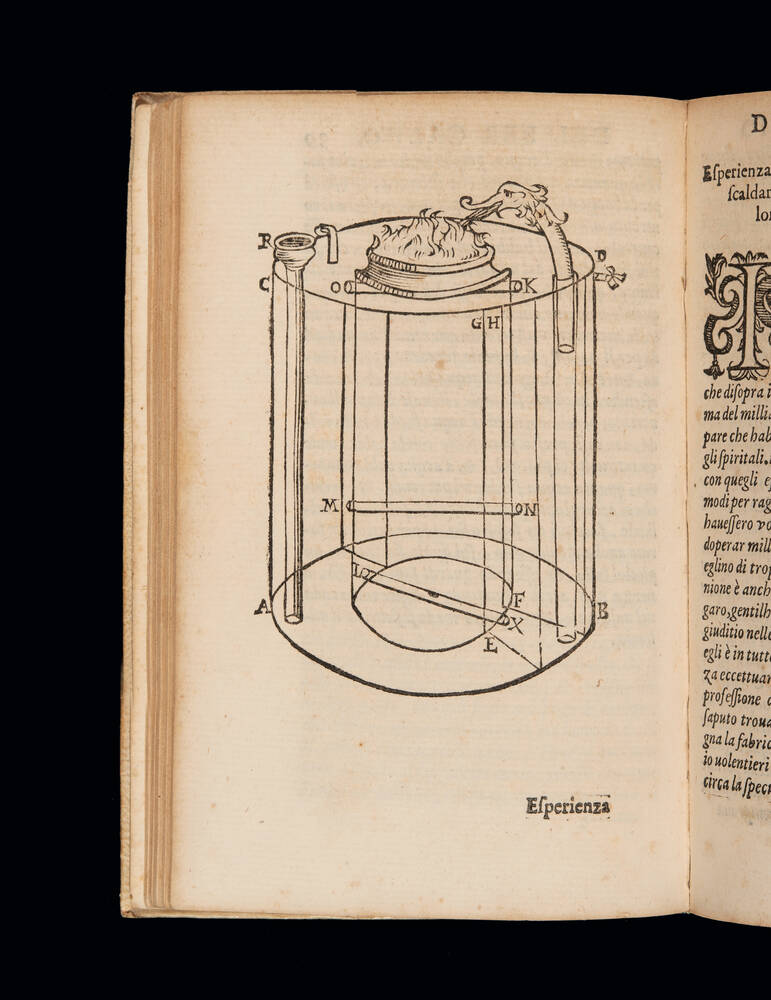
Venice, Giovanni Battista Ciotti., 1593.Octavo (157 x 104 mm.), [viii], 86, [10] leaves with the two blank leaves before the Tabula. Woodcut initials, one full page illustration of a heating apparatus, two smaller woodcuts in the text; a portrait of Persio pasted on title page verso. A very fine copy bound in contemporary limp vellum with maniscript title on spine form the library of Pietro Buoninsegni Senese (ex libris dated 1814).
First edition of Antonio Persio's popular medical defence of the Roman habit of mixing hot water with wine, in Italian. This work was one of the first printed in Giovanni Battista Ciotti's Venitian publishing shop, bearing his publisher's device of Minerva armed holding a spear and shield on the title page. It includes a woodcut diagram illustration of an ‘ancient vase' used to boil water for drinking. Antonio Persio (1542-1612) was a Platonic philosopher, and the son of sculptor Altobello Persio. Originally from Matera in Southern Italy, Persio moved to Naples to become a priest, working as a tutor for the Duke of Gravina's family. Through his connections, he became acquainted with the natural philosopher Bernardino Telesio (1509-1588), becoming the editor of the second edition of De rerum natura juxta propria principia (1570) and a lifelong follower of his philosophy. He moved frequently between Padua, Perugia, Venice and Rome, forming connections to Paolo Manuzio and his son Aldo, Camillo Caetani, Giorgio Correr, Tommaso Campanella and Galileo Galilei. By the end of his life, Persio had published seven works of which Del Bever caldo was the last. He was made member of the Accademia dei Lincei posthumously. (Persio, Antonio in Dizionario Biografico).
Del Bever caldo builds on the debate concerning weather Romans used to mix wine with hot or cold water , discussed through a medical lens and based on Telesian's theory of hot and cold matter. "The ancient Roman custom of adding ice to drinks was revived in the sixteenth century and caused division among medical practitioners as to the effects of this practice on health." (Bitting, Gastronomic Bibliography, 1939, p. 366). Persio advocated for the mixing of wine with warm water, due to Telesian thought calling for similar elements to remain together, and mankind being hot by nature should only drink hot beverages. This is in sharp contrast with the previously ruling humoral theory, in which a presupposed healthy state was achieved through the balancing of contrasting hot-cold-dry-wet elements. Persio's publication functioned as a case study to this wider Telesian theoretical framework, which caused a spark in scholarly discussion. The Flemish philosopher Giusto Lipsio, an advocate for 'hot drinking', wrote to Persio in support of his ideas in 1603. In the same year, Tommaso Campanella wrote Apologia pro abbate Persio de calidi potus usu, a defence of Persio's work and Telesian philosophy.
BM STC It., p.500; USTC 847639; ICCU\BVEE\006525; Not in Brunet.
Other Books
PALMIERI, Matteo
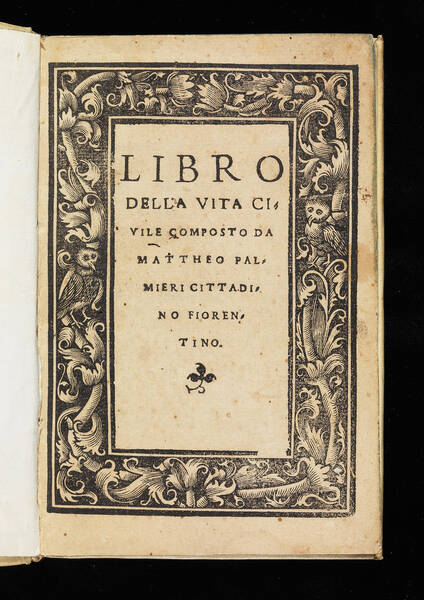
Libro della vita civile composta da Mattheo Palmieri cittadino fiorentino.
SOLD OUT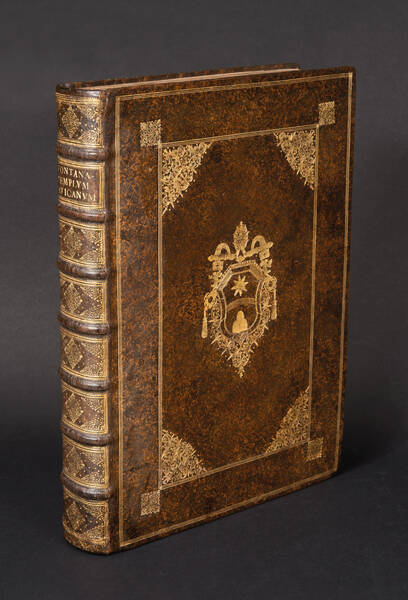
FONTANA, Carlo
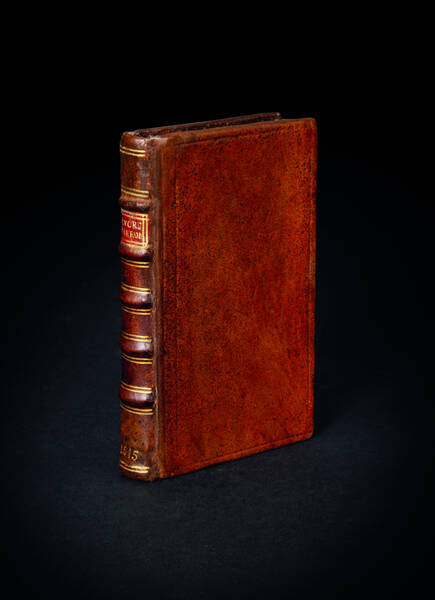
Templum Vaticanum et ipsius origo cum aedificiis maximè conspicuis antiquitùs, & recèns ibidem constitutis; editum ab equite Carolo Fontana ... opus...
€ 38.000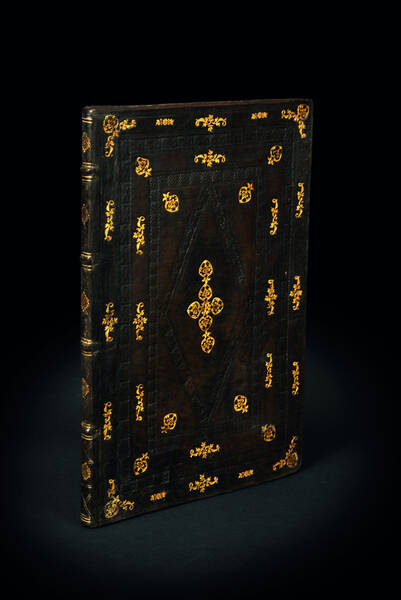
LIVIUS, Titus
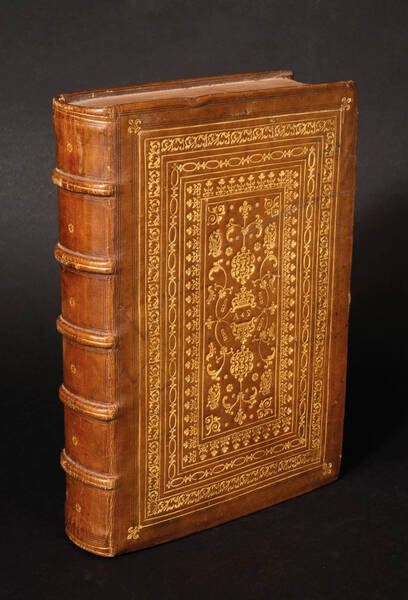
Le deche di T. Liuio padouano delle historie romane, tradotte nella lingua toscana, da Iacopo Nardi cittadino fiorentino, & nuouamente dal medesimo...
€ 30.000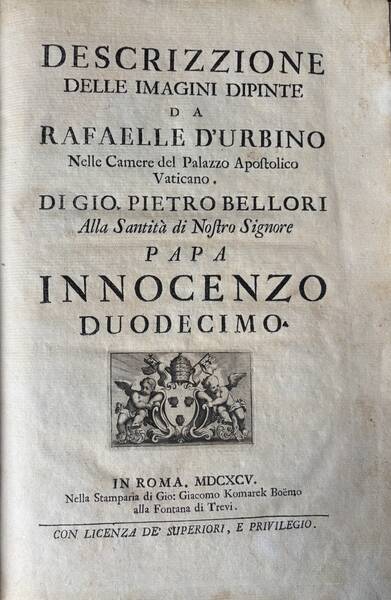
BELLORI, Giovanni Pietro
Descrizzione delle immagini dipinte da Rafaelle d'Urbino nelle camere del palazzo Apostolico Vaticano.
€ 2.500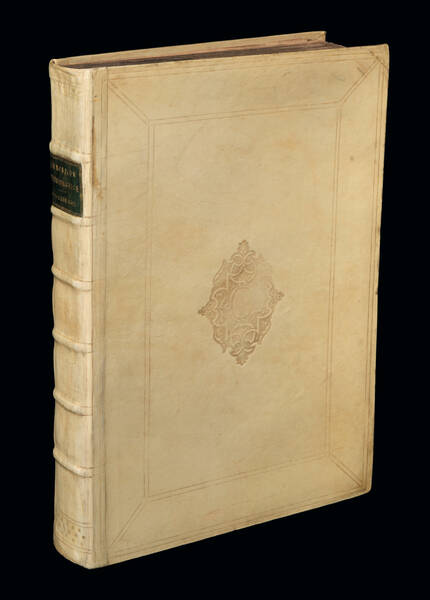
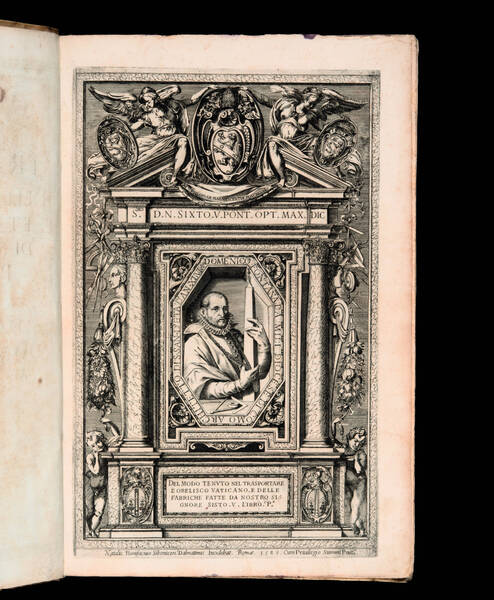
FONTANA, Domenico
Della trasportatione dell'obelisco vaticano et delle fabriche di nostro signore papa Sisto V fatte dal cauallier Domenico Fontana architetto di sua...
SOLD OUT
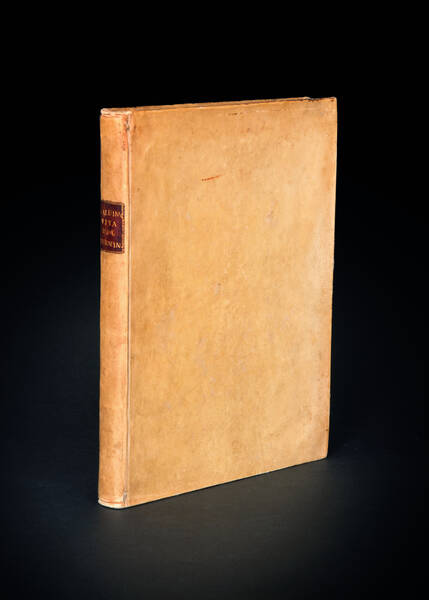
BALDINUCCI, Filippo
Vita del cav. Gio. Lorenzo Bernino, scultore, architetto, e pittore, scritta da Filippo Baldinucci fiorentino, alla sacra e reale maestà di Cristina...
€ 5.000
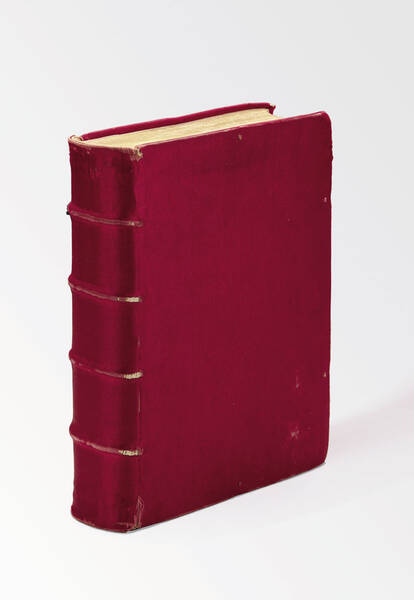
SANSOVINO, Francesco
Venetia città nobilissima et singolare, Descritta in XIIII libri da M. Francesco Sansovino
SOLD OUT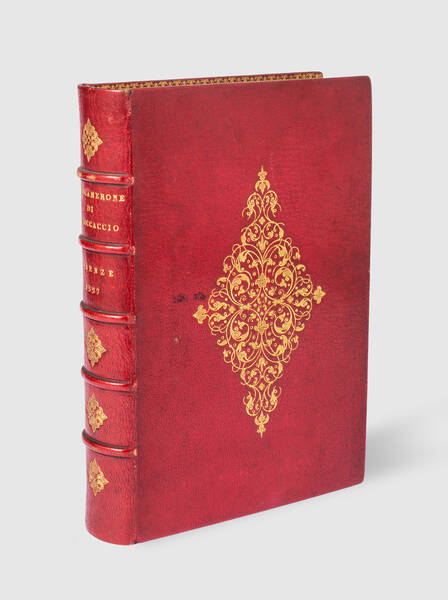
BOCCACCIO, Giovanni
Il Decamerone di m. Giouanni Boccaccio nuouamente corretto et con diligentia stampato.
SOLD OUT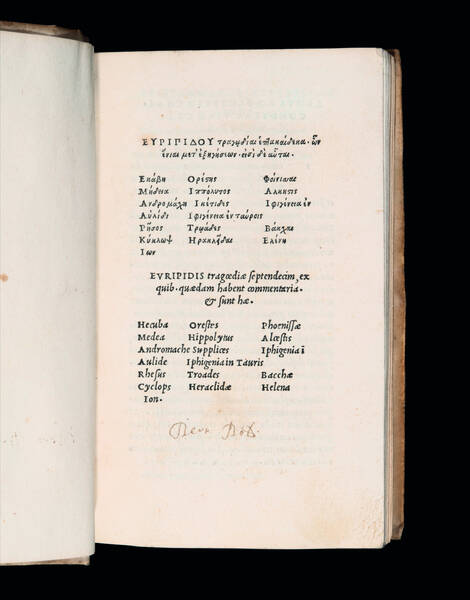
EURIPIDES
Tragoediae septendecim ex quib.quaedam habent commentaria,et sunt hae. Hecuba Orestes Phoenissae Medea Hippolytys Alcestis Andromache Supplices...
€ 29.000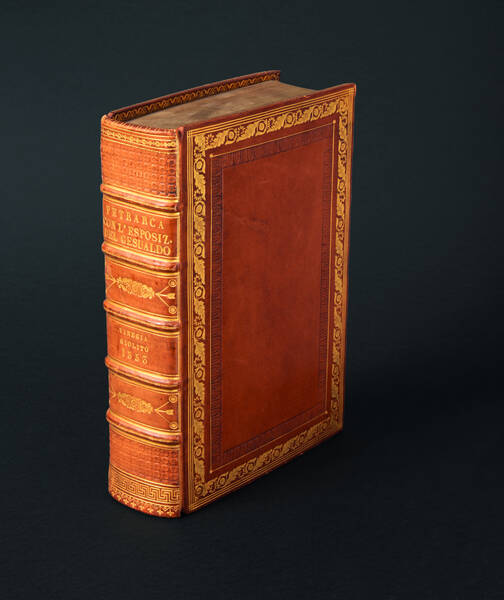
PETRARCA, Francesco
Il Petrarcha con l'espositione di m. Giouanni Andrea Gesualdo, nuouamente ristampato, e con somma diligenza corretto, con nuoua tauola di tutte le...
SOLD OUT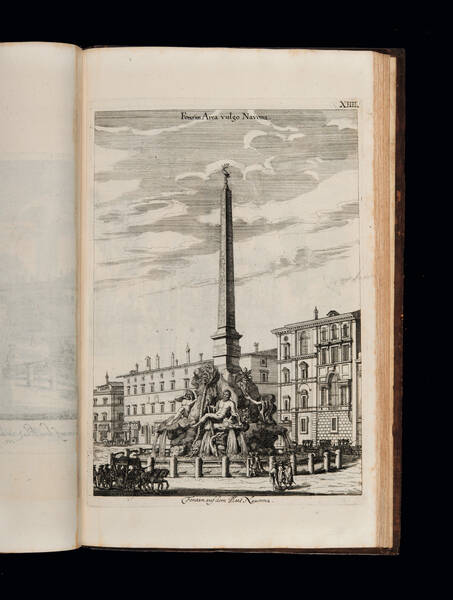
FALDA, Giovanni Battista
Romanorum fontinalia, sive nitidissimorum perenniumque, intra et extra, Urbem Romam, fontium vera, varia, et accurata delineatio.
SOLD OUT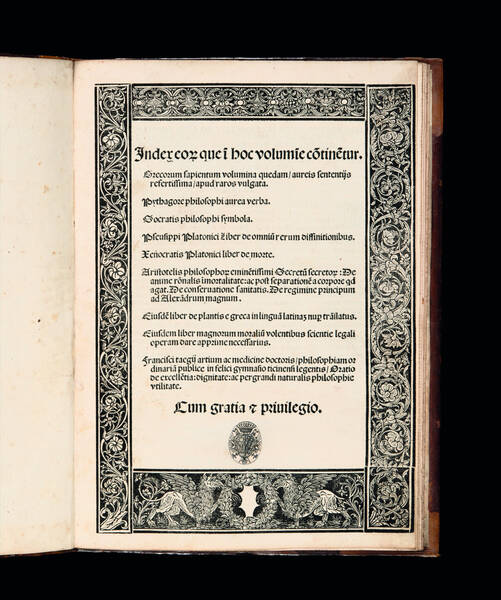
MEDA RIQUIER rare books ltd.
4 Bury Street St James's
SW1Y 6AB London
Phone +44 (0) 7770457377
info@medariquier.com