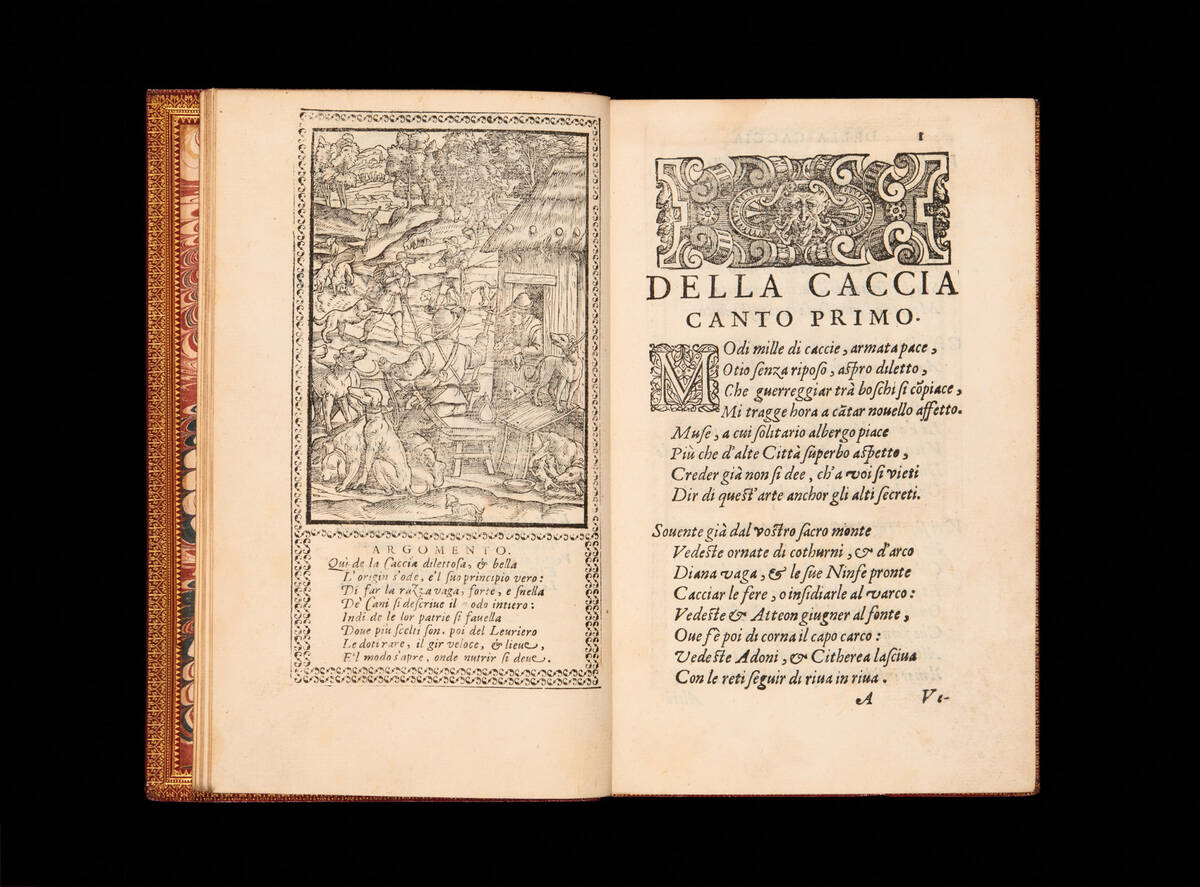
VALVASONE, Erasmo da. Della caccia poema del signor Erasmo di Valuasone. All'ill. signor Cesare di Valuasone suo nepote. Con gli argomenti a ciascun canto del sig. Gio. Domenico de gli Alessandri.
Bergamo, Comin Ventura., 1591.Octavo (190 x 121 mm.); [8], 151 leaves without the last blank leaf. Woodcut printer's device on title-page, five woodcut illustrations with hunting scenes and the argomento by Giovanni Domenico degli Alessandri, set within type-ornament borders below the illustrations historiated initials, head and tail pieces. A very good copy, lightly washed, bound by Lortic in red morocco, spine in compartments with gilt title, gilt edges. From the libraries of David Wagstaff and Fort Hill (ex libris).
First edition. “La caccia dedicated to his nephew and pupil Cesare, is Valvasone's most successful work, as evidenced by a second edition in 1593, enlarged and accompanied by commentary by Scipione di Manzano, alias Olimpio Marcucci. The didactic genre was reborn in the sixteenth century in the wake of the recovery of the Georgiche as a model in which, according to the Horatian precept of miscere utili dulci, the technical-didactic content is reconciled with a narrative part, which leaves room for the poet's invention, even mythological. Among the first examples is Girolamo Fracastoro's Syphilis, published in 1530, in which the medical treatment of the disease proceeds together with the narration of a new myth. The poem in five books by Erasmo di Valvasone combines didactic content and narration: each book ends with a story, with the exception of the first which ends with the praises of Friuli. In the second book the topic is dogs and horses and follows a long etiological myth on the origin of the horses from the Carso region; the third deals with the seasons suitable for hunting and the duties of the hunter and concludes with the story of the wild boar hunt among the ruins of Aquileia; the fourth contains precepts intended for children who intend to become hunters and ends with the edifying legend of King Arthur and the white doe; the fifth, finally, concerns the birds useful for the aucupium and ends with the myth of Scylla's metamorphosis.Erasmo di Valvasone was born in the castle of Valvasone belonging to his family in 1528 and died there in 1593; as a teenager he received a thorough humanistic education at the school of Giampietro Astemio in San Daniele del Friuli, where he approached the classics, which soon became the inspiration for an intense poetic activity destined, together with the tasks related to the administration of his land properties, to accompany him throughout his life. Despite the peripheral location of Valvasone, his frequent visits to Venice, of whose mainland dominions Friuli was part, and his friendship with Cornelio Frangipane kept him updated on the literary debate of the time. In fact, also following the 1548 edition of Aristotle's Poetics by Francesco Robortello from Udine, a heated discussion arose on the concept of poetry and the consequent criticism of Virgil's Georgics, in which Girolamo Fracastoro and Sperone Speroni also participated, in relation to Frangipane, and in defense of Virgilian's didactic poem Valvasone wrote a short treatise dedicated to Cornelio Frangipane. This debate is also reflected in the innovations of his poetic production, including the translation into octaves of hendecasyllables of Statius' Thebaide (1570), a new epic full of suggestions from the chivalric epic. The first four songs of Lancelotto (1580 ), an unfinished poem on an Arthurian theme, the Angeleida (1590), a religious epos on the revolt of Lucifer, also known to John Milton, and finally La caccia, published for the first time in 1591, a didactic poem on a hunting theme.”. (Alberto Pavan, « A caccia di miti e miti di caccia. Riuso del mito e ricezione dei classici ne La caccia di Erasmo di Valvasone (1528‑1593) », Gaia [En ligne], 25 | 2022, mis en ligne le 22 juillet 2022.)
Ceresoli, p. 541; Gamba 1719, nota; Souhart 477; Harting n. 273; Schwerdt II, 278.
Other Books
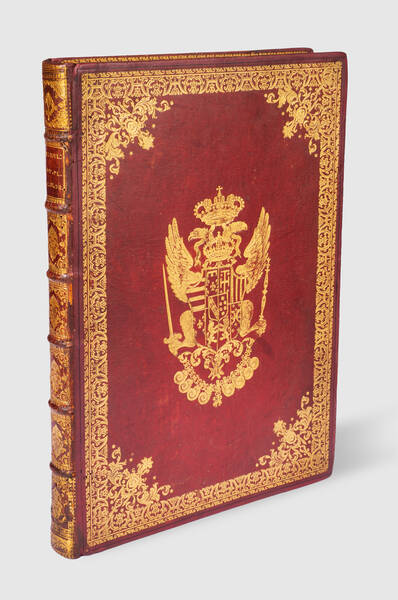
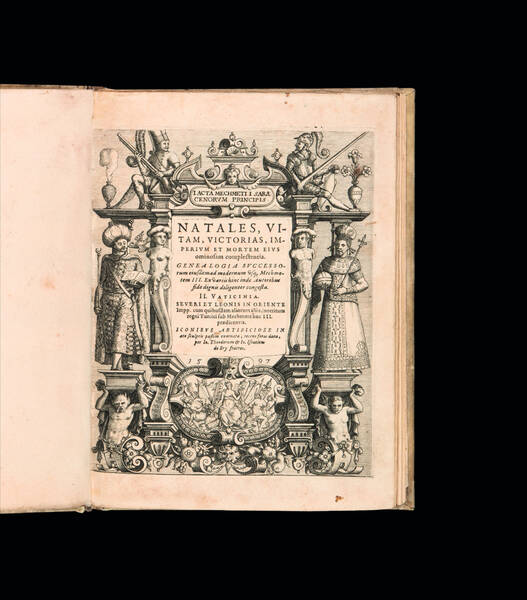
[DE BRY, Johann Theodor & Johann Israel]
I. Acta Mechmeti I Saracenorum principis. Natales, vitam, victorias, imperium et mortem eius ominosam complectentia. Genealogia successorum eiusdem...
€ 11.000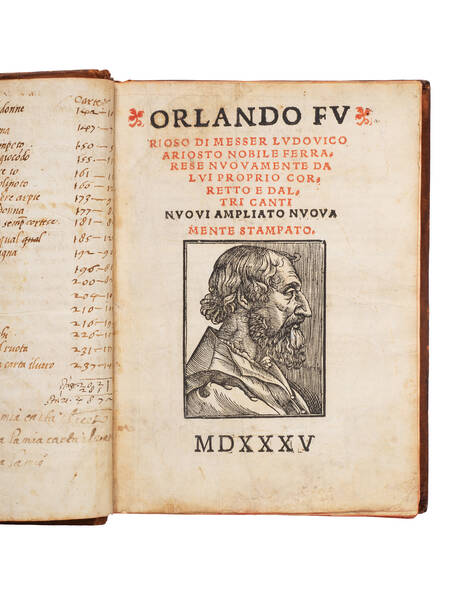
ARIOSTO, Lodovico
Orlando furioso di messer Ludovico Ariosto nobile ferrarese nuovamente da lui proprio corretto e daltri canti nuovi ampliato, nuovamente stampato.
SOLD OUT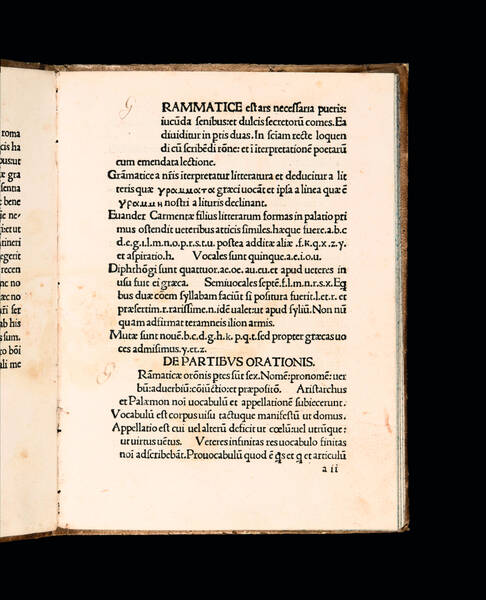
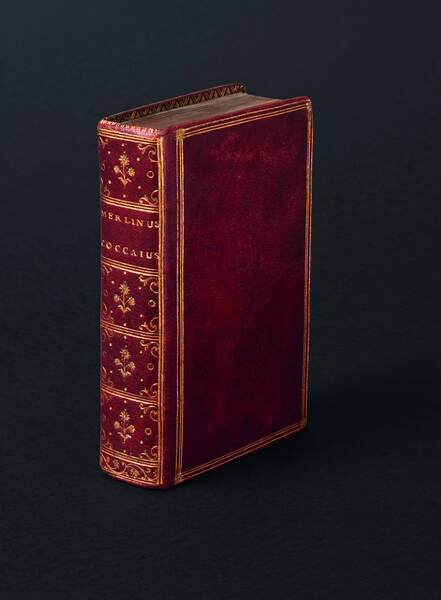
FOLENGO, Teofilo
Opus Merlini Cocaii poetae Mantuani Macaronicorum, totum in pristinam formam per me magistrum Acquarium Lodolam optime redactum in his infra notatis...
€ 11.000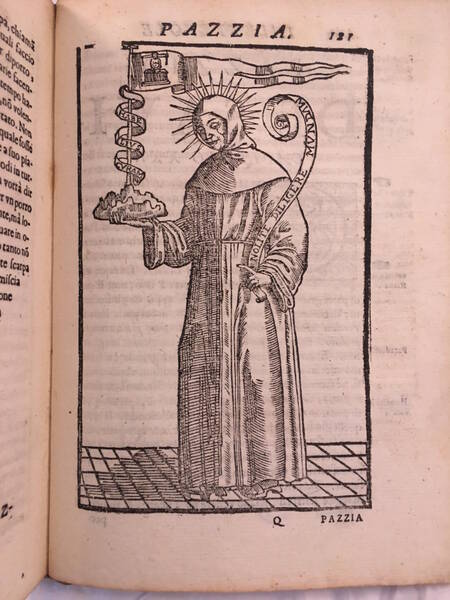
SPELTA, Antonio Maria
La saggia pazzia, fonte d’allegrezza, madre de’ piaceri, regina de’ belli humori.
€ 2.000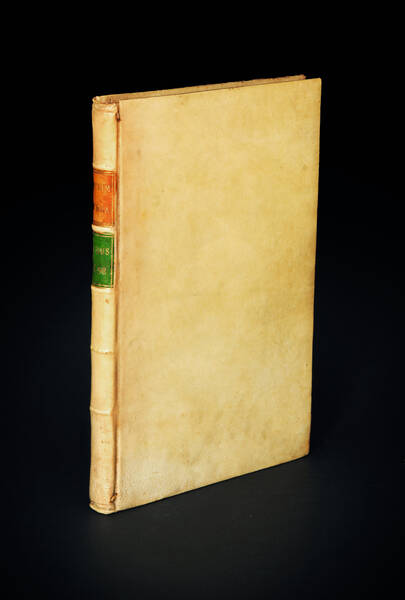
ARCHIMEDES
Archimedis opera non nulla à Federico Commandino urbinate nuper in latinum conversa, et commentariis illustrata.
€ 15.000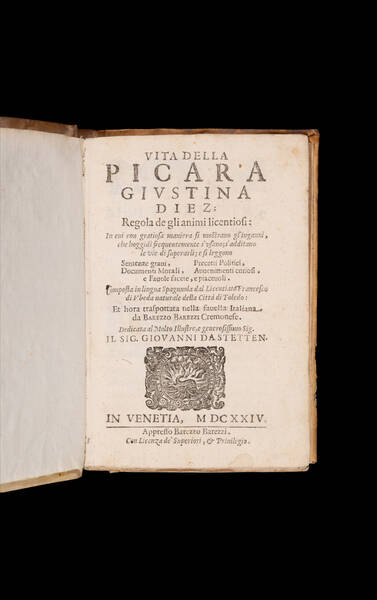
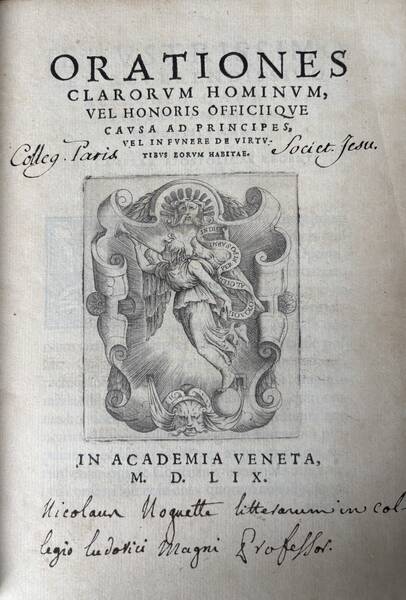
ACCADEMIA VENETA
Orationes clarorum hominum, vel honoris officiique causa ad principes, vel in funere de virtutibus eorum habitae.
€ 1.500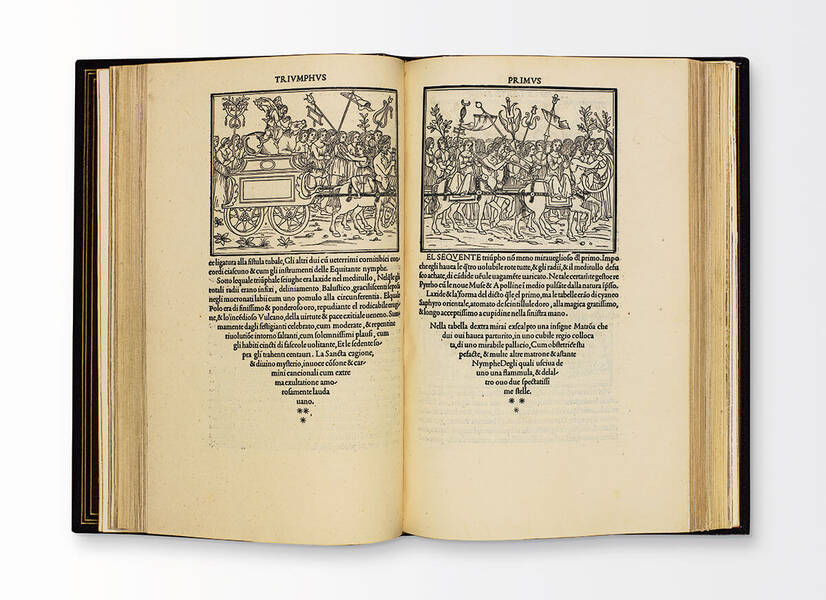
COLONNA, Francesco
Hypnerotomachia Poliphili, ubi humana omnia non nisi somnium esse docet atque obiter plurima scitu sanequam digna commemorat.
SOLD OUT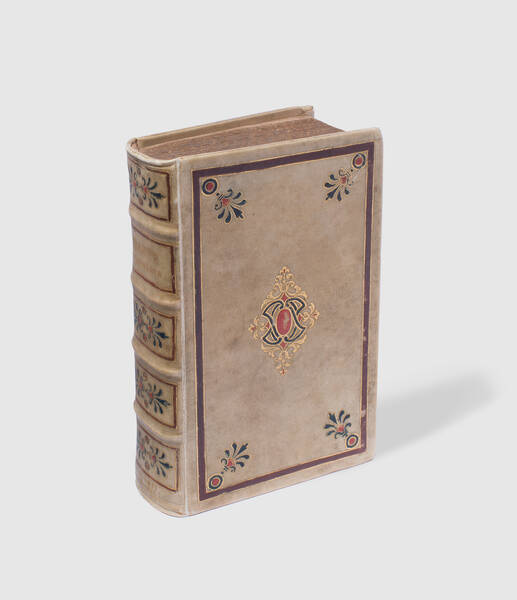
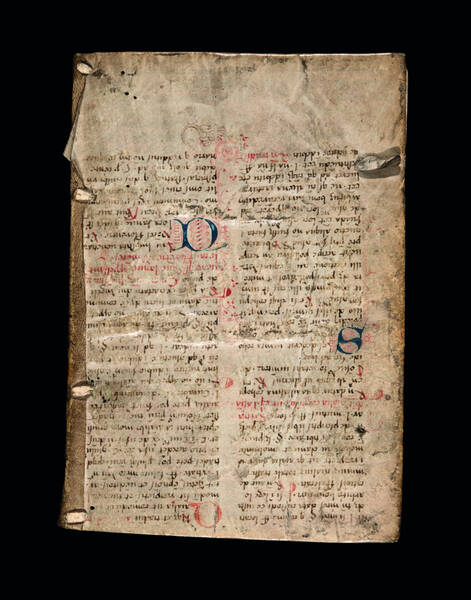
ALIGHIERI, Dante
Commedia di Dante insieme con vno dialogo circa el sito forma et misure dello Inferno.
SOLD OUT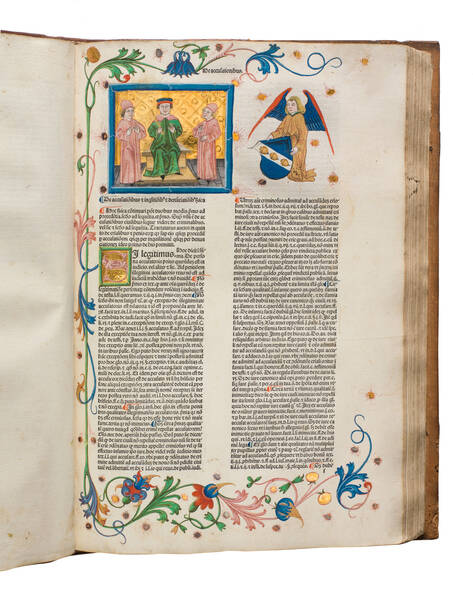
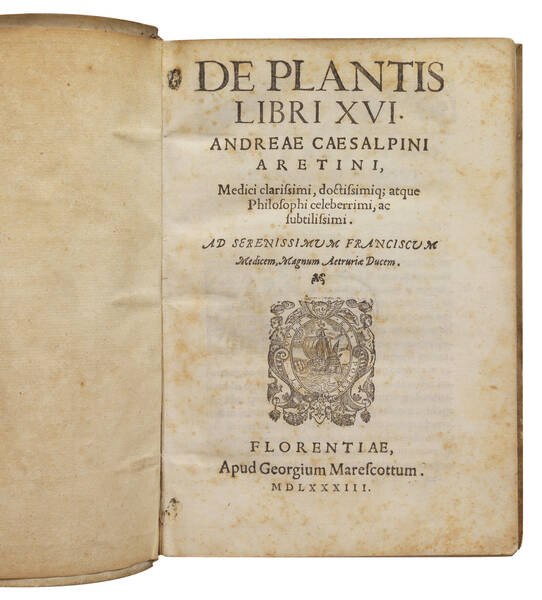
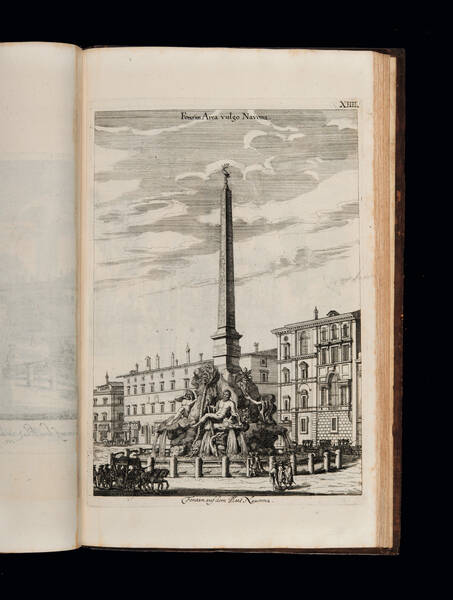
FALDA, Giovanni Battista
Romanorum fontinalia, sive nitidissimorum perenniumque, intra et extra, Urbem Romam, fontium vera, varia, et accurata delineatio.
SOLD OUT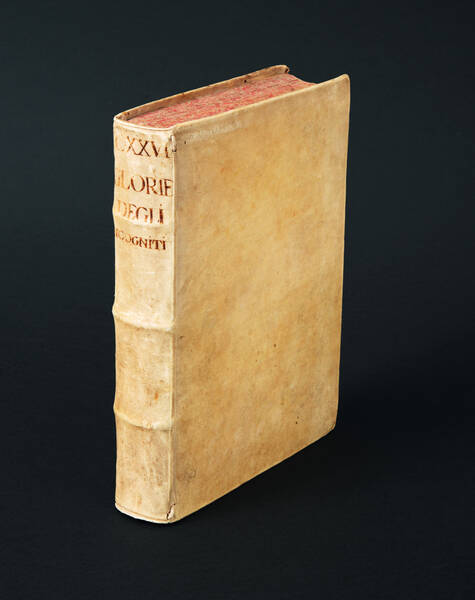
[BRUSONI, Girolamo]
Le glorie de gli Incogniti o vero gli huomini illustri dell'Accademia de' signori Incogniti di Venetia.
€ 8.000
MEDA RIQUIER rare books ltd.
4 Bury Street St James's
SW1Y 6AB London
Phone +44 (0) 7770457377
info@medariquier.com