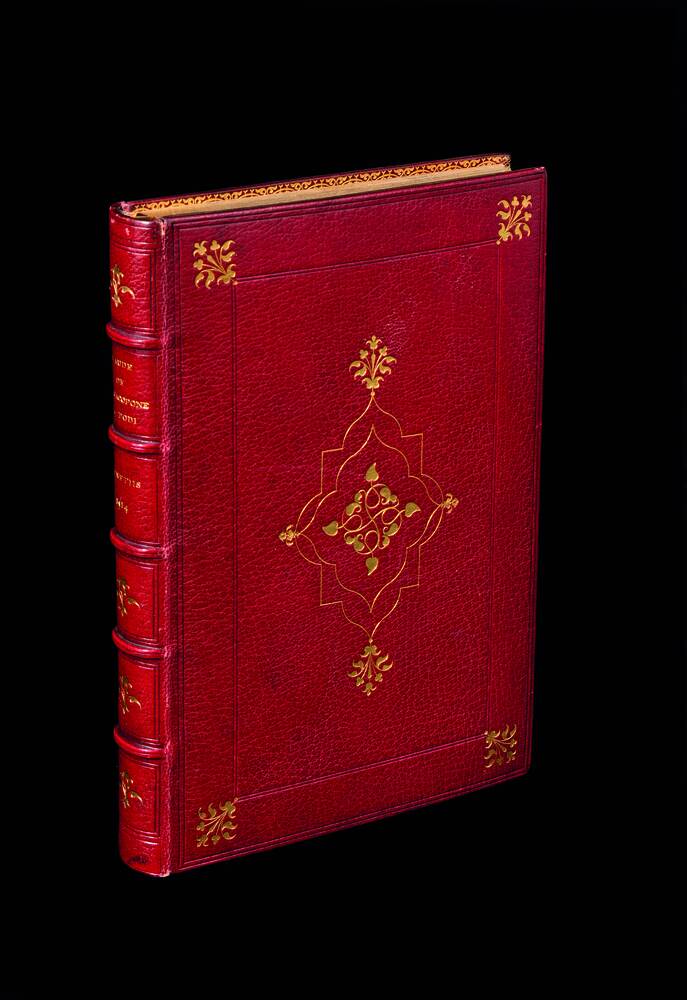
TODI da, Jacopone. Laude.
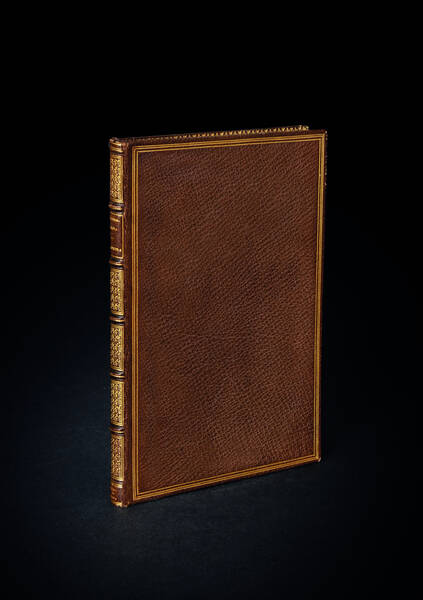
Venice, Benali., 1514.Octavo (190 x 125 mm), [8], 128 leaves, with two woodcuts in the text, Saint Francis receiving the stigmata, and Christ preaching, and one historiated initials. Small marginal restoration in the blank marging of last three leaves but a very good copy bound by Cape in red morocco, covers ruled in blind with central gilt arabesque and gilt floral tools at each corner, spine in compartments with gilt tools, gilt edges.
Rare edition of da Todi's seminal work of Italian literature Laude - a compilation of 133 religious poems and spiritual canticles in the vernacular Umbrian dialect. The poetic laude were of religious devotional origin, usually consisting of exhortations to a moral life or of events in the lives of Christ and the saints. Common from the 13th to the 16th century in Italy, they were song during clerical celebrations, usually recited by religious confraternities such as the Franciscan friars. The first lauda in Italian was St. Francis' Cantico delle creature, one of the first works of Italian literature. Da Todi's canticles are “faithful mirrors of their writer's mind. Through them we come at last to some knowledge of his strange vehement nature: this vigorous missionary and subtle philosopher: this poet, by turns crude satirist, ardent lover, and profound contemplative, who can sink to the level of the popular hymnal and rise above that of St. John of the Cross.” (Underhill, p.10)
His poetry condemns the corruption of the Church, paints a vivid image of Jacopone's ascetic life, and provides a window into his mystical contemplations. The work includes two woodcuts, the first depicting St Francis of Assisi receiving the stigmata from a six-winged angel on a cross, and the second woodcut of Jesus preaching to a crowd.
Despite having lived an incredible life, the first half of the author's life is shrouded in myth: Jacopone da Todi (c. 1230-1306) was born to the noble Benedetti family and was a man of secular, “strong passions, wide cultivation and fastidious tastes” (Underhill, p.4) until his middle age, having studied in Bologna and pursued a successful career in law. He experienced a sudden shift into an ascetic life after the accidental death of his wife in 1268. This terrible blow led Jacopone to abandon his profession and withdraw from his opulent life in order to become a travelling pilgrim for ten years. Seen as an eccentric figure, he was said to have become mad from the love of God and made a fool of himself in public. When Jacopone became a member of the Franciscan order in 1278, he wrote violent satirical verse against Pope Boniface VIII and signed a manifesto declaring Boniface's election invalid. He faced excommunication and imprisonment as punishment for his actions, and many of his laudi spirituali were written during this period, being vivid outpourings of his state of mind, ranging from bitter anger to mystical ecstasy. After the death of Boniface in 1303, Jacopone was released by the new pope, Benedict XI. He eventually became a hermit in the hills of Collazzone, where he died in 1306. Hundreds of manuscripts of his poems survived, and were first printed in Florence in 1490.
“Three types of mind should find pleasure in da Todi's work and personality. First, those interested in Christian mysticism; for he is among the most profound and individual of the thirteenth-century mystics. Next, lovers of poetry; who, even though they may not sympathise with his religious attitude, cannot fail to admire the magnificent poems in which it is expressed [...] of spiritual passion the most beautiful lyrics of his Tuscan and Bolognese contemporaries. Last, those who care for the Italy of St. Francis and his descendants [...] may be attracted by the human and tempestuous story of this man who was a friend of the heroes of the Fioretti, and who suffered in the interests of those ideals which they represent.”(Underhill, v)
Oliger, L. Jacopone da Todi, 1910. Underhill, E. Jacopone da Todi, Poet and Mystic, 1919.
USTC 836112; Adams v.1 p.579 54; BM STC Italian p.82 83.d.31.; Brunet 485.
Other Books
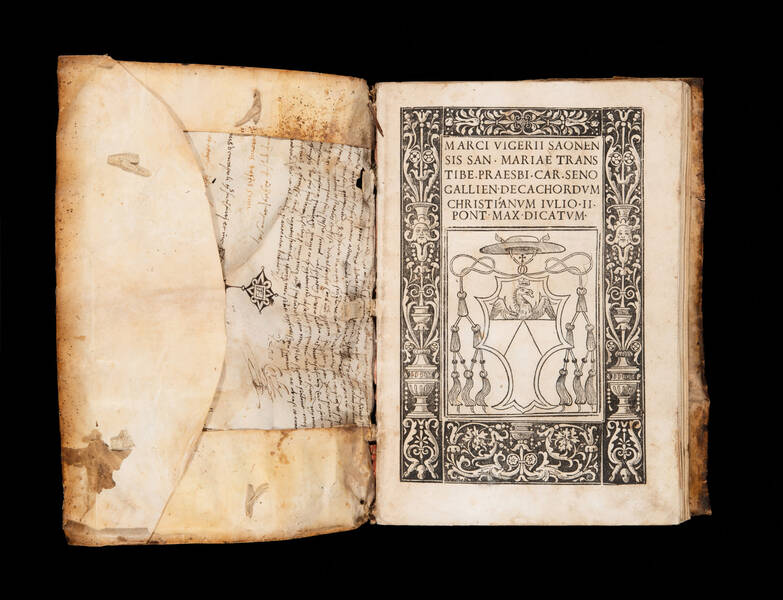
CAMPO, Antonio
Cremona fedelissima città et nobilissima colonia de romani rappresentata in disegno col suo contado et illustrata d'vna breue historia delle cose piu...
€ 15.000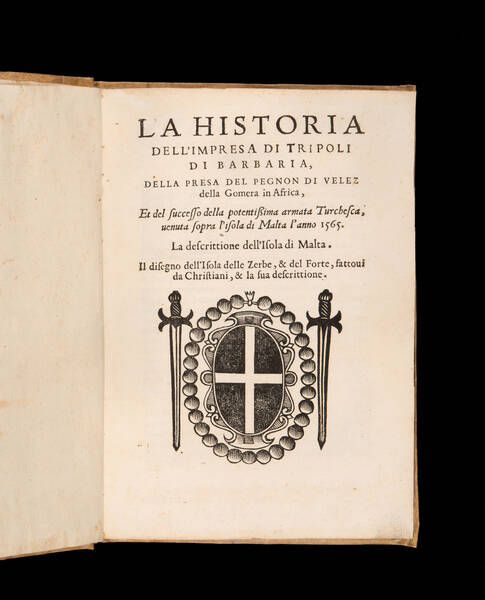
ULLOA, Alfonso de
La Historia dell'impresa di Tripoli di Barberia, della presa del Pegnon di Velez della Gomera in Africa, et del successo della potentissima armata...
€ 12.000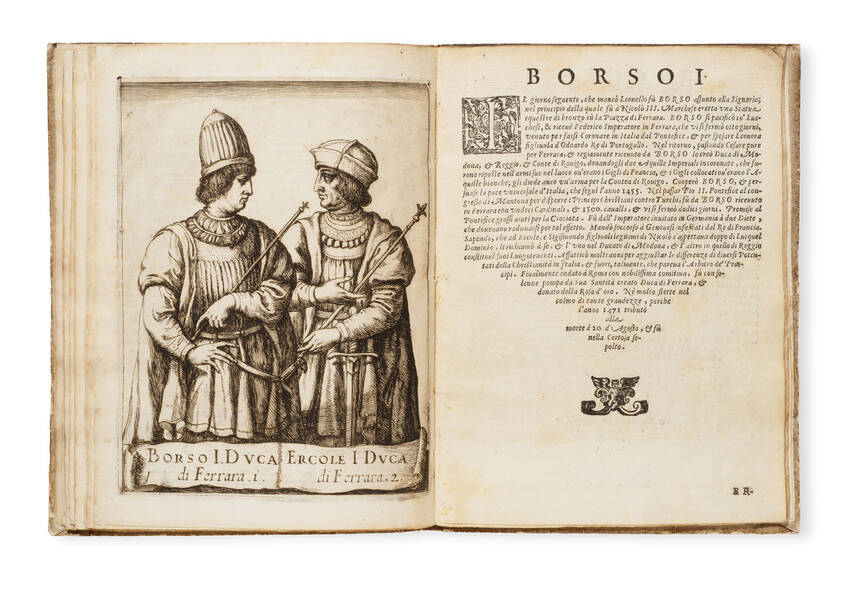
CARIOLA, Antonio; DOINO, Caterino
Ritratti de ser.mi Principi D’Este sig.ri di Ferrara con l’aggionta de loro fatti più memorabili ridotti in sommario.
SOLD OUT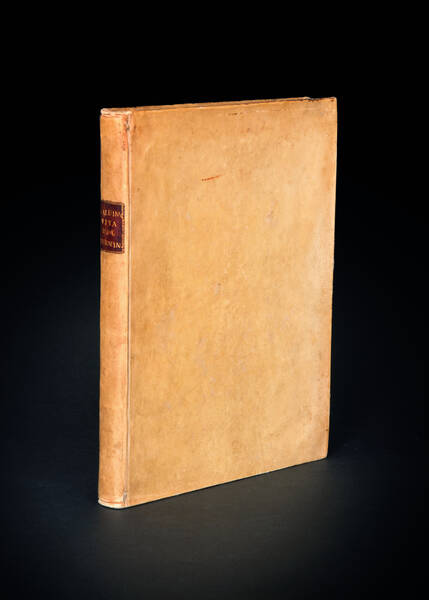
BALDINUCCI, Filippo
Vita del cav. Gio. Lorenzo Bernino, scultore, architetto, e pittore, scritta da Filippo Baldinucci fiorentino, alla sacra e reale maestà di Cristina...
€ 5.000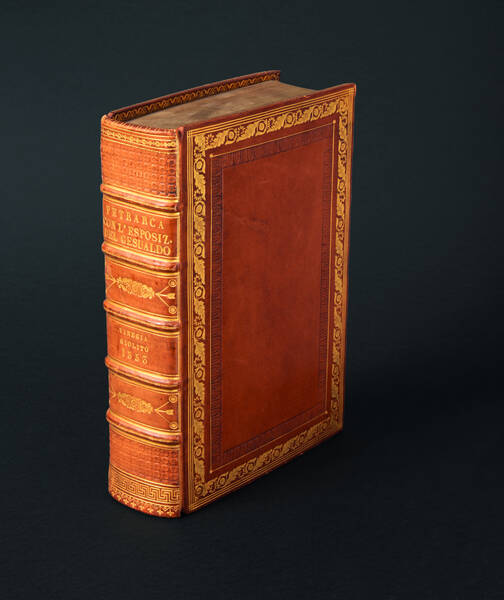
PETRARCA, Francesco
Il Petrarcha con l'espositione di m. Giouanni Andrea Gesualdo, nuouamente ristampato, e con somma diligenza corretto, con nuoua tauola di tutte le...
SOLD OUT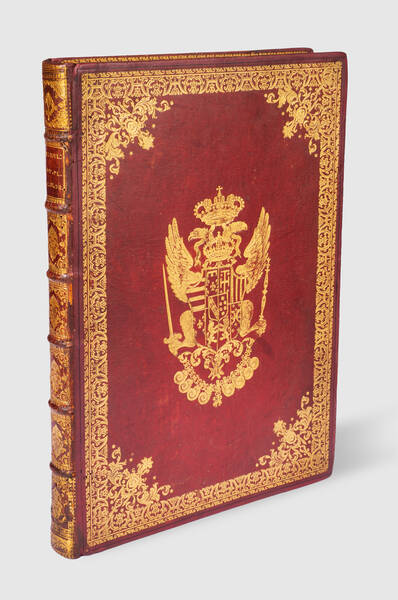
TASSO, Torquato
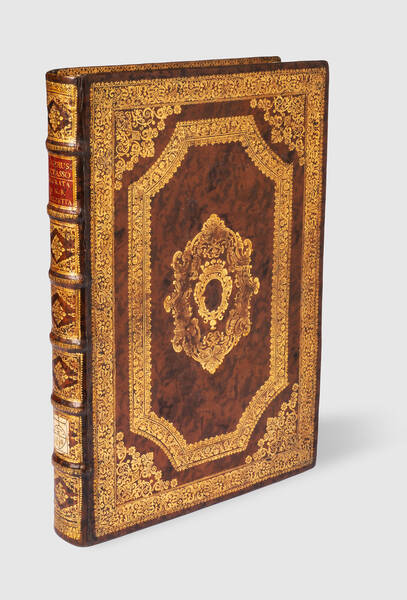
La Gerusalemme liberata di Torquato Tasso con le figure di Giambatista Piazzetta, alla Sacra Real Maestà di Maria Teresa d’Austria, regina...
€ 18.000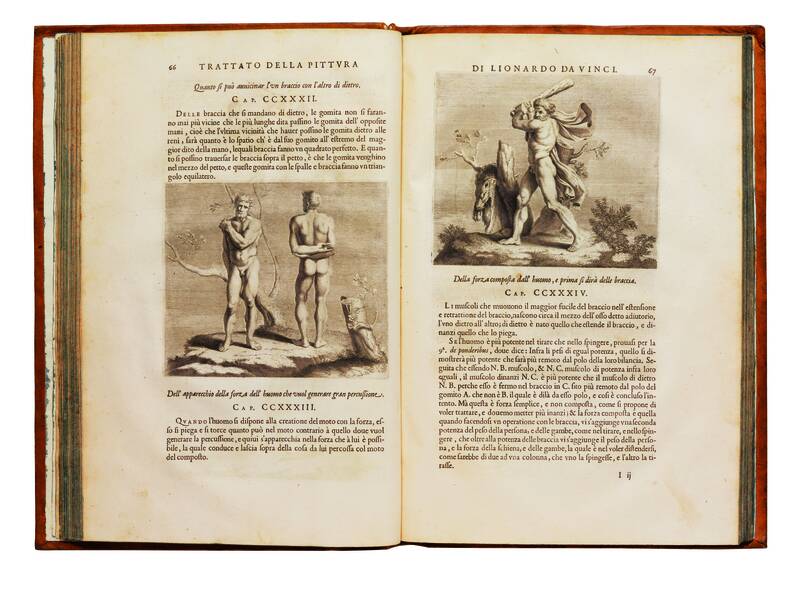
LEONARDO DA VINCI
Trattato della Pittura di Lionardo da Vinci, Nouamente dato in luce, con la vita dell’istesso autore, scritta da Rafaelle Du Fresne. Si sono giunti i...
SOLD OUT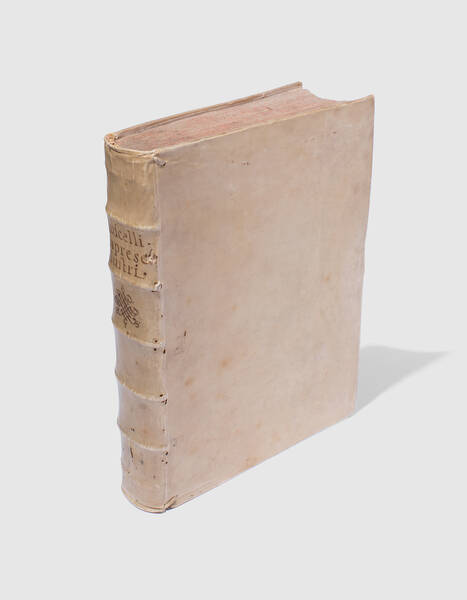
RUSCELLI, Gerolamo
Le imprese illustri con espositioni, et discorsi del s.or Ieronimo Ruscelli.
SOLD OUT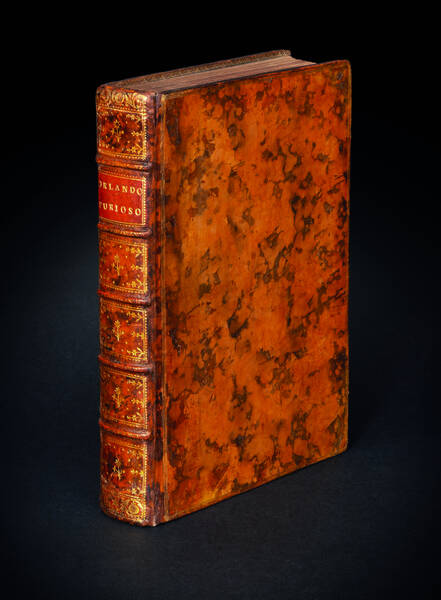
ARIOSTO, Ludovico
Orlando furioso di m. Lodouico Ariosto nuouamente adornato di figure di rame da Girolamo Porro padouano et di altre cose che saranno notate nella...
SOLD OUT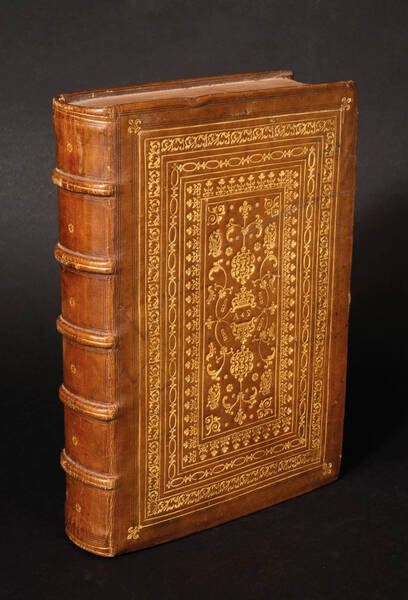
LIVIUS, Titus
Le deche di T. Liuio padouano delle historie romane, tradotte nella lingua toscana, da Iacopo Nardi cittadino fiorentino, & nuouamente dal medesimo...
€ 30.000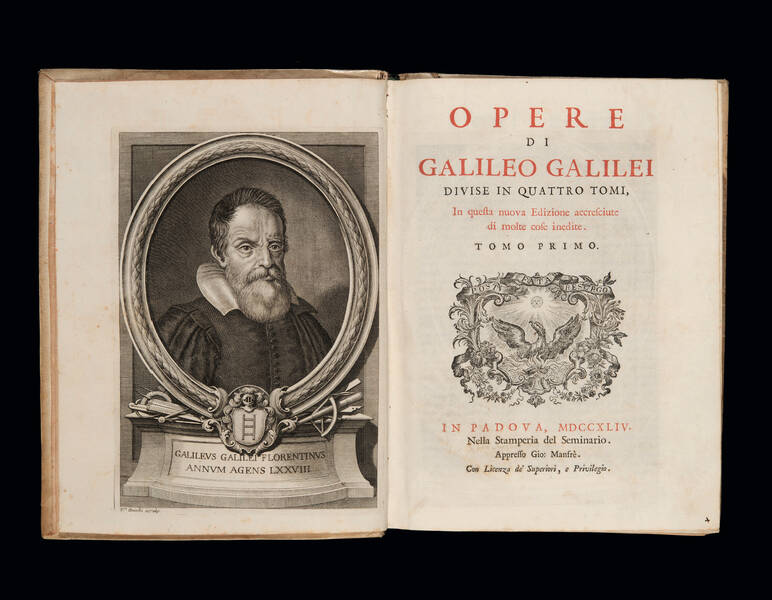
GALILEI, Galileo
Opere, divise in quattro tomi, in questa nuova edizione accresciute de molti cose inedite.
SOLD OUT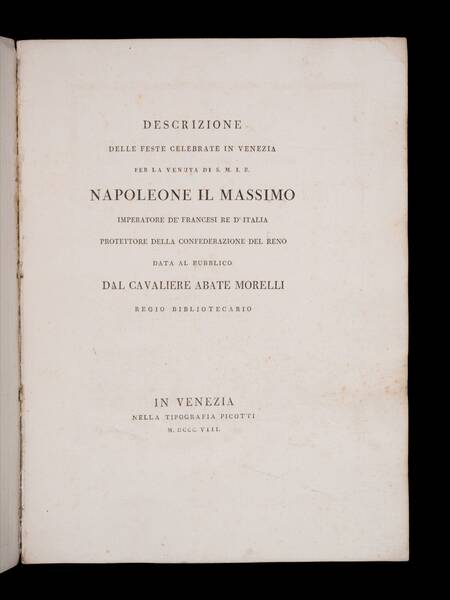
MORELLI, Jacopo
Descrizione delle feste celebrate in Venezia per la venuta di S.M.I.R. Napoleone il Massimo imperatore de' Francesi re d'Italia protettore della...
€ 1.500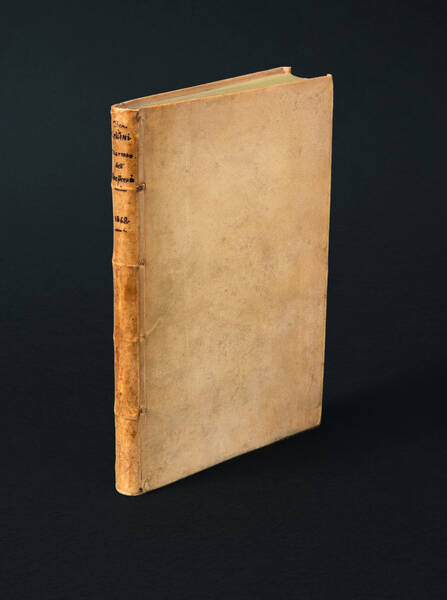
MEDA RIQUIER rare books ltd.
4 Bury Street St James's
SW1Y 6AB London
Phone +44 (0) 7770457377
info@medariquier.com