![[Istrumento della donazione di dodici volumi di Leonardo da Vinci fatta alla Biblioteca Ambrosiana di Milano da Galeazzo Arconati a mezzo del suo procuratore Cristoforo Sola in data 21 gennaio 1637].](https://www.medariquier.com/typo3temp/pics/7710953ad4.jpg "[Istrumento della donazione di dodici volumi di Leonardo da Vinci fatta alla Biblioteca Ambrosiana di Milano da Galeazzo Arconati a mezzo del suo procuratore Cristoforo Sola in data 21 gennaio 1637].")
![[Istrumento della donazione di dodici volumi di Leonardo da Vinci fatta alla Biblioteca Ambrosiana di Milano da Galeazzo Arconati a mezzo del suo procuratore Cristoforo Sola in data 21 gennaio 1637].](https://www.medariquier.com/typo3temp/pics/847ef92b90.jpg "[Istrumento della donazione di dodici volumi di Leonardo da Vinci fatta alla Biblioteca Ambrosiana di Milano da Galeazzo Arconati a mezzo del suo procuratore Cristoforo Sola in data 21 gennaio 1637].")
[LEONARDO DA VINCI]. [Istrumento della donazione di dodici volumi di Leonardo da Vinci fatta alla Biblioteca Ambrosiana di Milano da Galeazzo Arconati a mezzo del suo procuratore Cristoforo Sola in data 21 gennaio 1637].
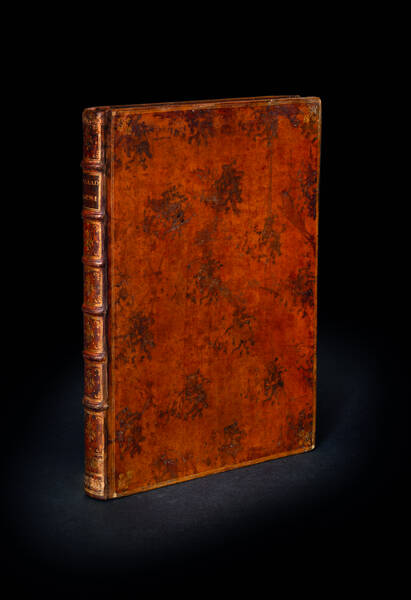
N.p. [Milan?], , n.d. [first quarter of the XVIII century].Quarto (310×211mm). [6] leaves, the last blank. Historiated woodcut initial on the first page. A fine copy with wide margins and untrimmed edges bound in nineteenth-century brown morocco.
Very rare printed edition of two notarial deeds concerning the donation of Leonardo da Vinci's manuscripts to the Biblioteca Ambrosiana of Milan. The documents include a description of all twelve notebooks, featuring the first ever mention of Leonardo's Codex Atlanticus, and a transcription of the plaque placed inside the Biblioteca Ambrosiana, to commemorate the donor, Galeazzo Arconati. Only nine copies of the four known issues are present in public libraries, which only one in the US (Washington, National Gallery of Art Library). According to Gustavo Uzielli, first to discover and publish the text of the Instrumento, in 1884, the present copy is a third edition, likely dating from the time of Giuseppe Antonio Arconati Visconti (1698–1763), a great-grandson of Galeazzo. Based on paper quality, we also believe that it dates to the early XVIII century. When Leonardo died in Amboise in 1519, his friend and pupil Francesco Melzi inherited all the notes and drawings his teacher had produced throughout his entire life. Melzi took them to his villa in Vaprio d'Adda, near Milan, where at his death in 1570 they passed to his son, Orazio Melzi. Orazio took so little interest in his inheritance that he even allowed several manuscripts to be stolen by the family's tutor. After the manuscripts were recovered, Pompeo Leoni (1537–1608), a sculptor at the Spanish court, purchased the entire collection and took it to Madrid. It was there that Leoni compiled the Codex Atlanticus by arbitrarily mounting 1,750 fragments of Leonardo's notebooks onto a large book (65×44cm), "making no attempt to classify them according to their content or date" (Pedretti, pp. 7–8). Leoni's heirs then dispersed Leonardo's manuscripts in different directions: some remained in Madrid, some were sent to England (now the British Museum's Codex Arundel and the drawings in Windsor Castle), and some, including the Codex Atlanticus, were sold to Count Galeazzo Arconati (1580–1649). Arconati, patron of the arts and an art collector, was also the cousin of Cardinal Federico Borromeo, founder of the Biblioteca Ambrosiana. Our document maintains that the king of England offered Arconati 1,000 golden coins for the Codex Atlanticus, but he refused the offer and instead donated it, along with all the other manuscripts, to the Ambrosiana, one of Italy's earliest public libraries. The first deed was drafted on 13 January 1637, and the second one, with the same provisions, was drafted a week later on 21 January, the day of the public donation ceremony. These were originally intended for the attendees of the ceremony. The twelve volumes remained in Milan until 1796, when Napoleon ordered they to be brought to Paris. The Codex Atlanticus only was returned to the Ambrosiana after the Congress of Vienna in 1815, while the rest of the collection has remained in the Institut de France ever since.
Marcuccio, Roberto. "La donazione Arconati dei manoscritti di Leonardo da Vinci alla Biblioteca Ambrosiana (1637). Dall' inedito documento originale agli esemplari a stampa." Achademia Leonardi Vinci 2, no. 2 (December 2022): 107–121; Pedretti, Carlo & Cianchi, Marco. Leonardo. I codici. Florence: Giunti Editore, 1995; Pedretti, Carlo. The Codex Atlanticus of Leonardo da Vinci. A catalogue of its newly restored sheets. Part one – volumes I-VI. New York: Johnson Reprint Corporation, 1979.
Other Books
ARCHIMEDES
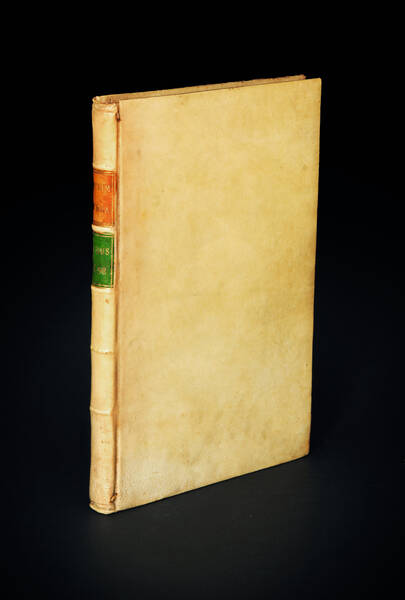
Archimedis opera non nulla à Federico Commandino urbinate nuper in latinum conversa, et commentariis illustrata.
€ 15.000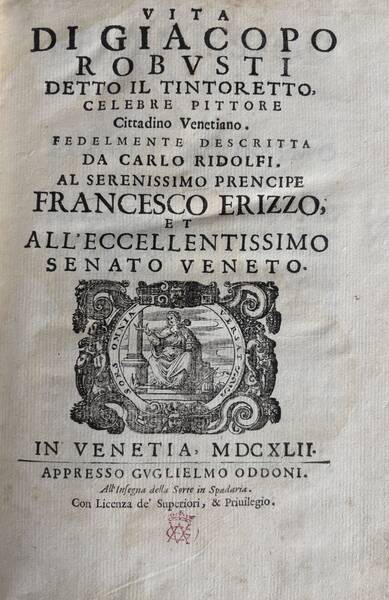
RIDOLFI, Carlo
Vita di Giacopo Robusti detto il Tintoretto, celebre pittore, cittadino venetiano.
€ 2.500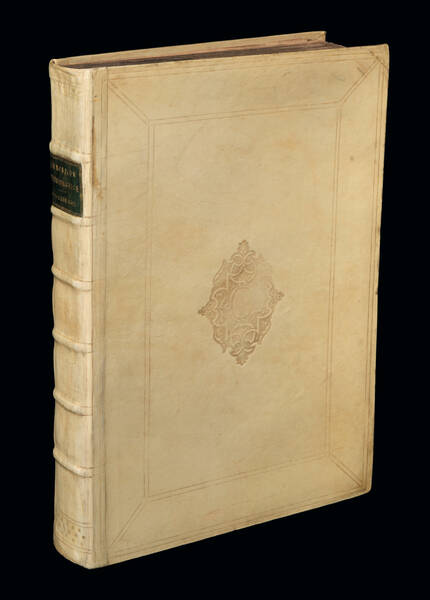
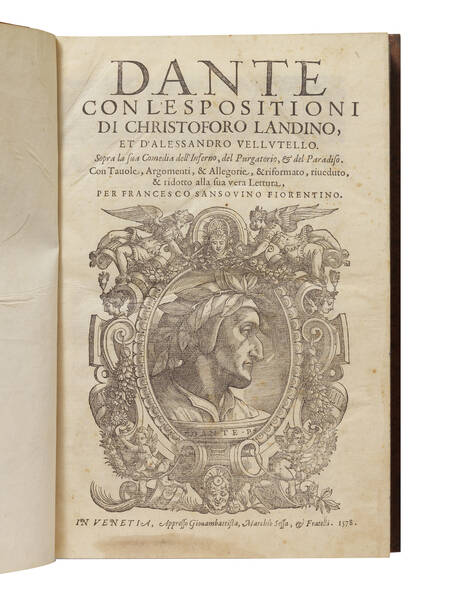
ALIGHIERI, Dante
Dante con l’espositioni di Christoforo Landino, et d’Alessandro Vellutello. Sopra la sua Comedia dell’Inferno, del Purgatorio, & del Paradiso. Con...
SOLD OUT
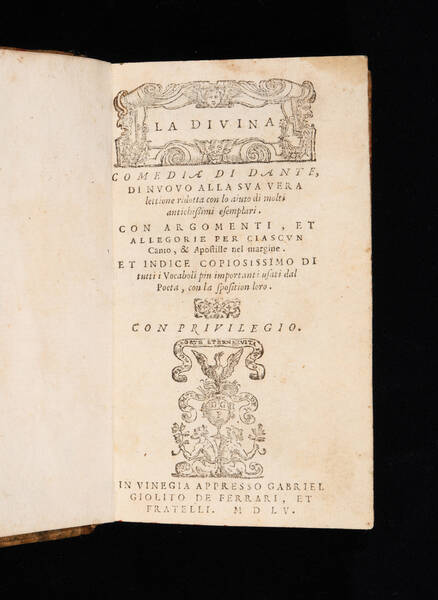
ALIGHIERI, DANTE
La Divina Comedia Di Dante, di nuouo alla sua vera lettione ridotta con lo aiuto di molti antichissimi esemplari. Con argomenti, et allegorie per...
SOLD OUT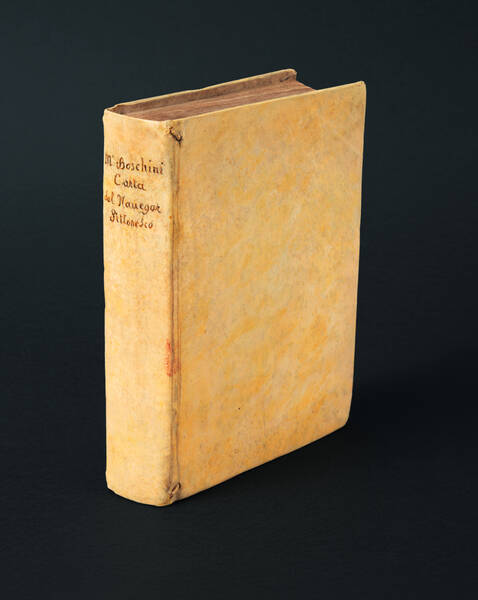
BOSCHINI, Marco
La carta del nauegar pitoresco dialogo tra vn senator venetian deletante, e vn professor de pitura, soto nome d'ecelenza, e de compare. Comparti' in...
€ 7.000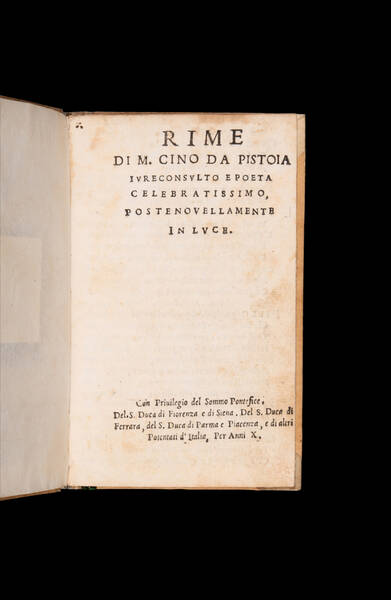
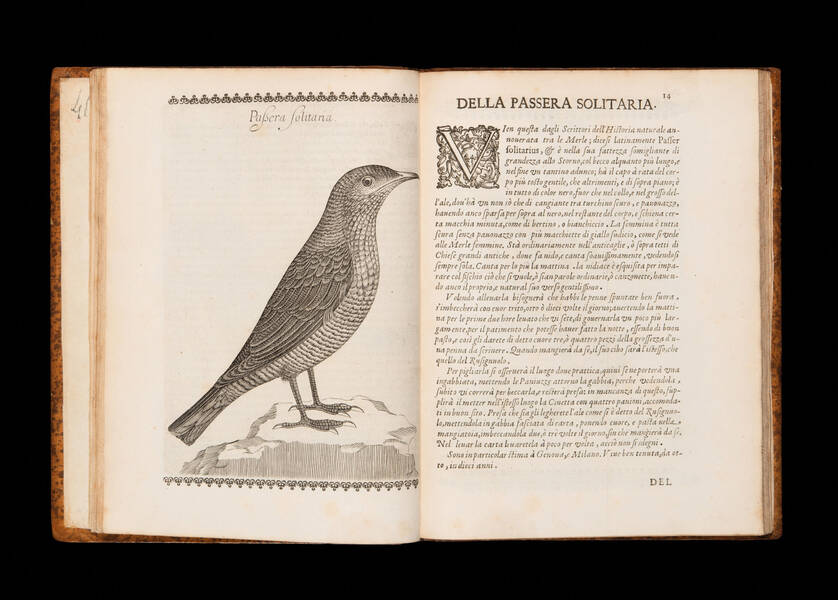
OLINA, Giovanni Pietro
Vccelliera ouero discorso della natura, e proprieta di diuersi vccelli, e in particolare di que' che cantano. Con il modo di prendergli, conoscergli,...
€ 6.000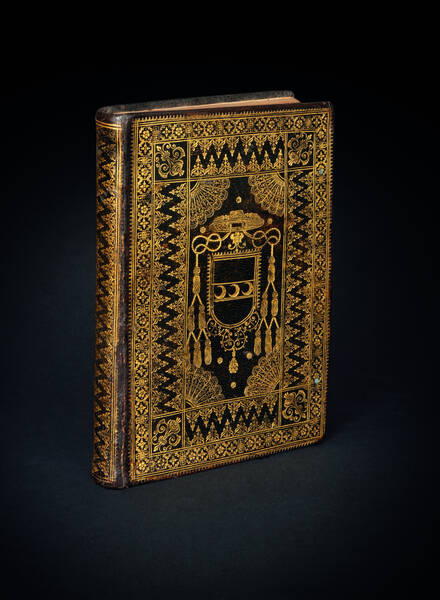
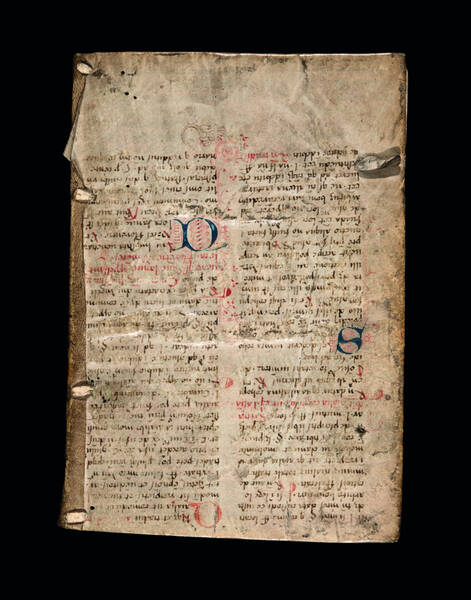
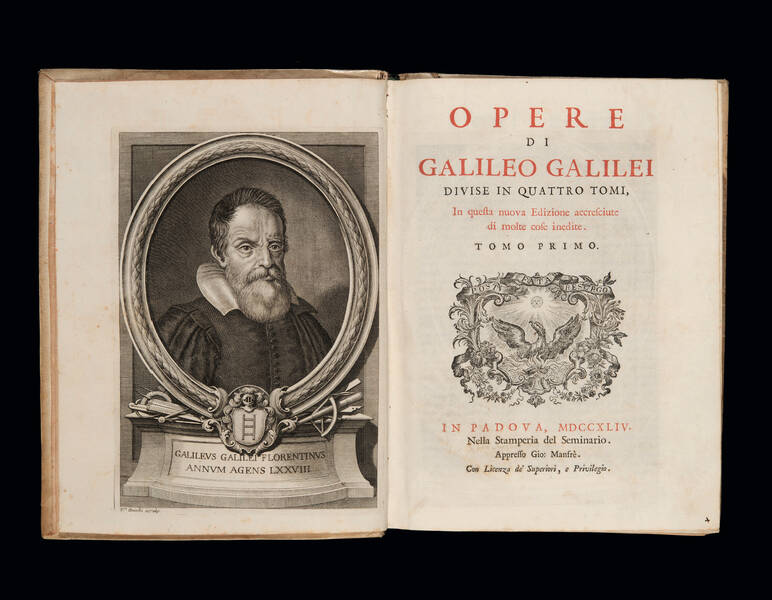
GALILEI, Galileo
Opere, divise in quattro tomi, in questa nuova edizione accresciute de molti cose inedite.
SOLD OUT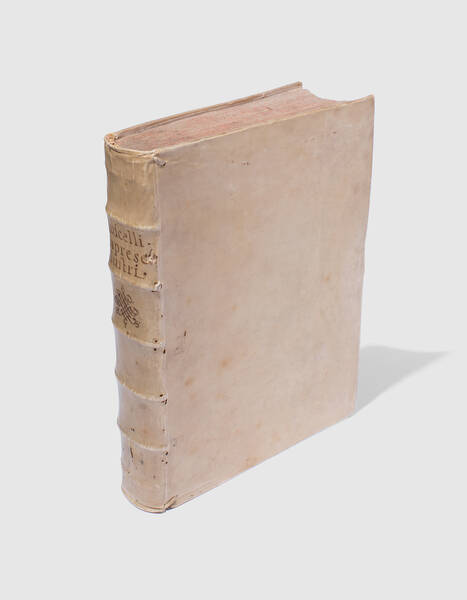
RUSCELLI, Gerolamo
Le imprese illustri con espositioni, et discorsi del s.or Ieronimo Ruscelli.
SOLD OUT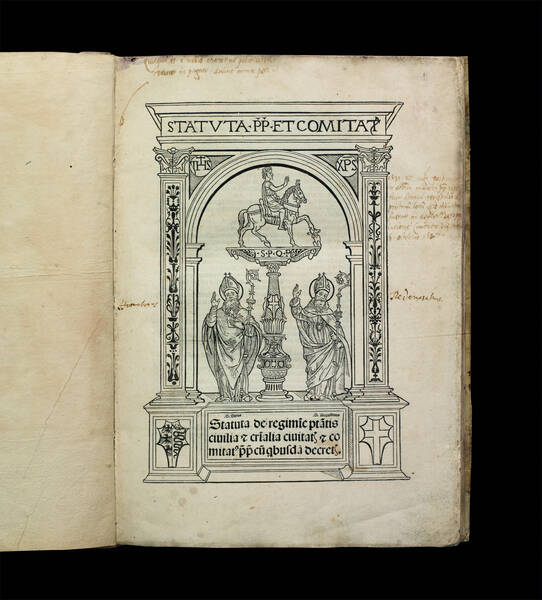
MEDA RIQUIER rare books ltd.
4 Bury Street St James's
SW1Y 6AB London
Phone +44 (0) 7770457377
info@medariquier.com