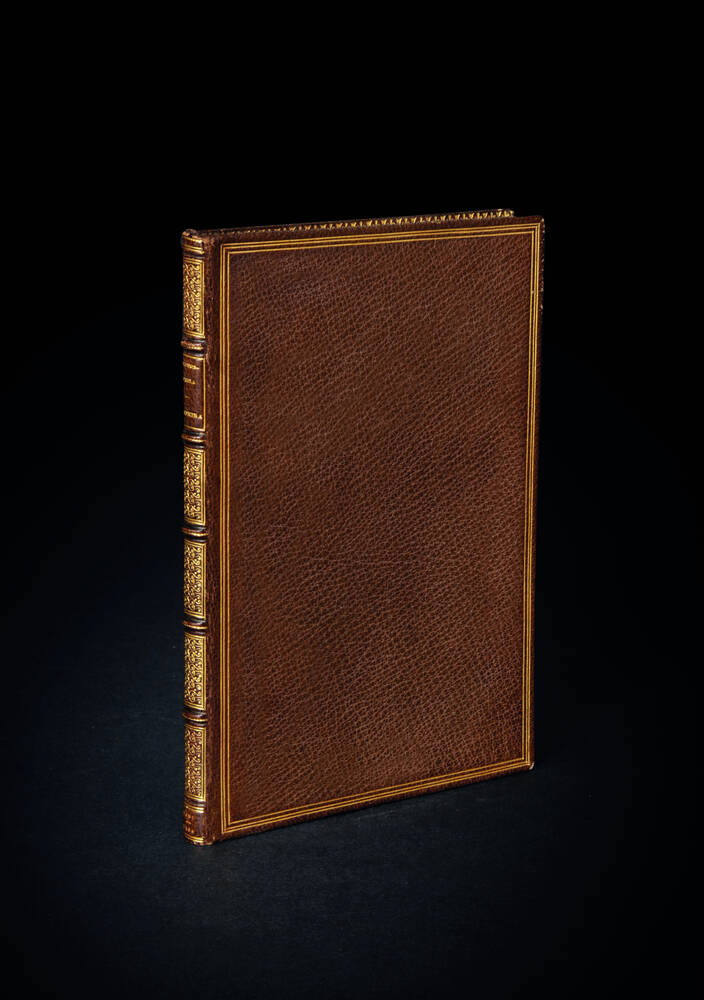
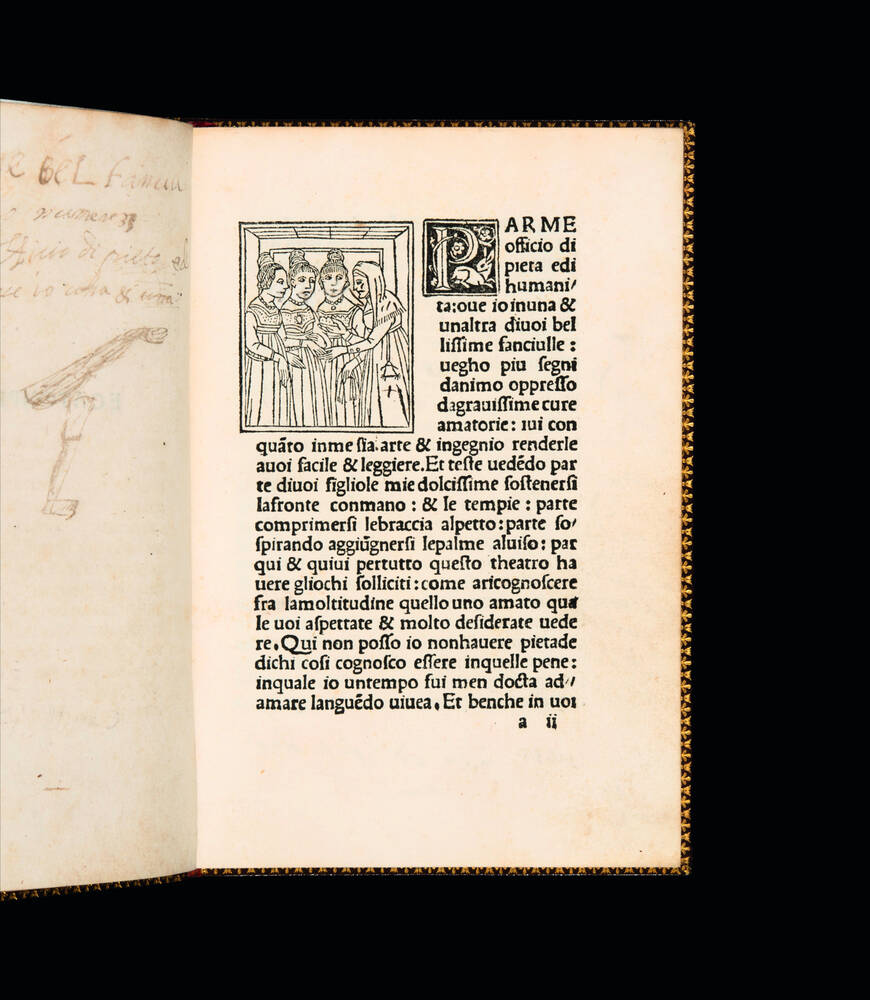
ALBERTI, Leon Battista. Ecatonphyla. Deiphira di messer Leon Battista Alberto Firentino, ne la quale insegna amare temperatamente, & ne fa divenire, o piu dotti ad amare, o piu prudenti a fuggir amore, novamente stampata.
Venice, Bernardino da Cremona; per Francesco Bindoni, & Mapheo Pasini compagni., 1491; 1534.Octavo (148×98mm), two works bound together. I: [24] leaves, with a woodcut of an elderly woman and three young girls on the opening page and four woodcut initials. Collation: a–f4. II: [1], 10–23, [1] leaves, title-page within a woodcut architectural frame, printer's device on the last leaf. Brown morocco binding signed Bauzonnet-Trautz, triple gilt fillet border on covers, gilt-tooled spine in compartments with title and year, inner dentelles gilt. Vellum endleaves, gilt edges. Manuscript annotations in the first work, occasional spotting; overall a fine copy from the library of Antoine-Augustin Renouard (ex-libris).
First illustrated edition of the Ecatonphyla bound with the sixth edition of the Deiphira, two early works in Italian by Leon Battista Alberti (1404–1472). Their dates of composition are uncertain, with both works probably written in the late 1430s or early 1440s. Both were first printed in Padua in 1471. The first work is a monologue set during the interlude of a theatre play: an elderly woman, Ecatonphyla ('loved by one hundred'), instructs the younger women in the audience on the qualities of the perfect man. Her personal experience serves as an example for her listeners, who must avoid her past mistakes to find the ideal lover, conquer him and build a lasting relationship. A summary of her speech can be found in the following passage: "Love then, maidens, the virtuous and modest men of letters, and live happily, honoured in sweet and perpetual love." The perfect lover is therefore the humanist scholar, such as Alberti himself. A scarce incunable edition, with only seven copies in libraries outside of Europe (ISTC). In the dialogue Deiphira, Filarco consoles the desperate Pallimacro, who fell in love with the eponymous woman, advising him on how one must love to avoid suffering. However, the dialogue does not reach a positive conclusion: Pallimacro can find no solution other than exile, as he has no hope of ever being reciprocated. USTC reports only two copies of this edition in institutions outside of Italy. Leon Battista Alberti was arguably the most influential Renaissance architect, and a prolific writer on painting, sculpture, architecture, mathematics, law and more, in both Latin and Italian. His early writings on love, heavily influenced by Ovid, Propertius and other Latin elegiac poets, have traditionally been neglected, but recent studies have recognised their originality. Works such as the Ecatonphyla and the Deiphira are far from conventional, and their underlying themes are the awareness of the great suffering that can come from love and the belief that a man of letters must necessarily overcome his amorous passions to achieve serenity.
I: BMC V, 465; Brunet I, 131; ISTC ia00214000; Goff A214; GW 00578; Hain 421; USTC 998095; Walsh 2372. II: BMSTC Italian p. 15; EDIT16 CNCE 714
Other Books
PETRARCA, Francesco
Li Sonetti canzone e triumphi del Petrarcha con li soi commenti non senza grandissima euigilantia et summa diligentia correpti et in la loro primaria...
SOLD OUT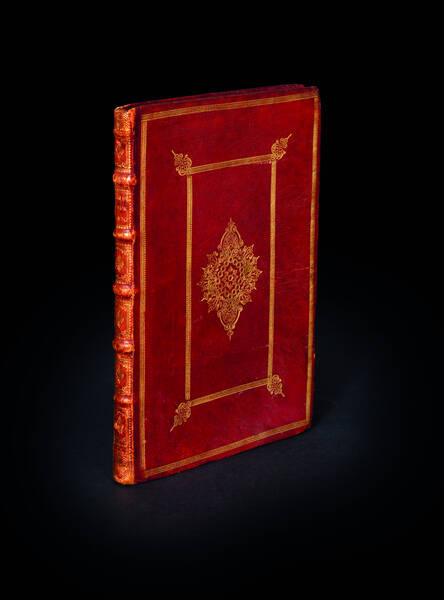
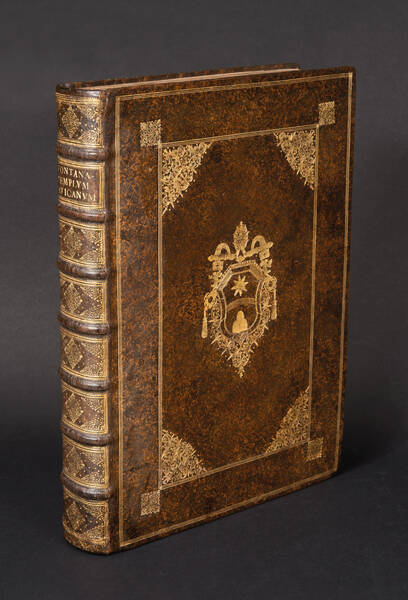
FONTANA, Carlo
Templum Vaticanum et ipsius origo cum aedificiis maximè conspicuis antiquitùs, & recèns ibidem constitutis; editum ab equite Carolo Fontana ... opus...
€ 38.000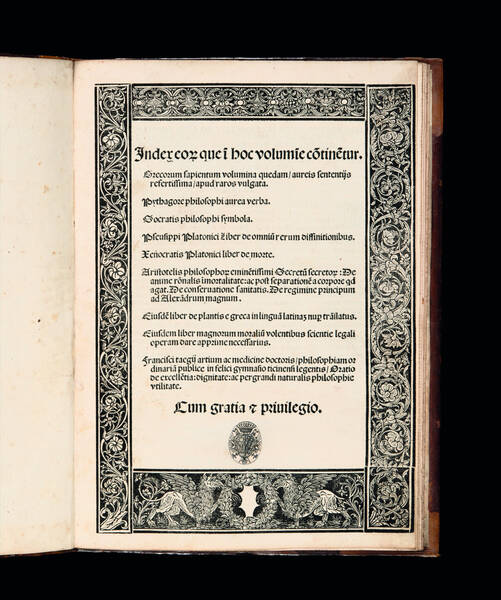
TAEGIO, Francesco
Grecorum sapientum volumina quedam aureis sententijs refertissima apud raros vulgata. Pythagore Aurea verba. Socratis Symbola. Pseusippi Platonici...
€ 12.000
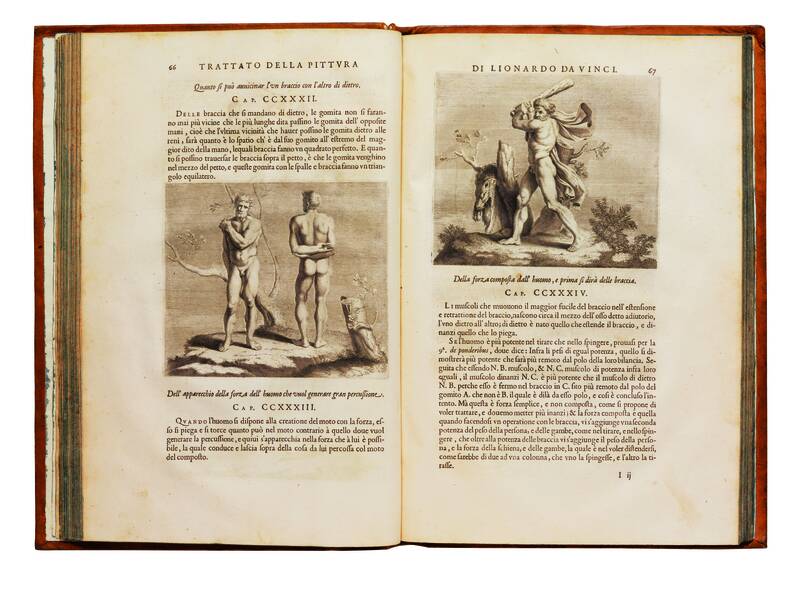
LEONARDO DA VINCI
Trattato della Pittura di Lionardo da Vinci, Nouamente dato in luce, con la vita dell’istesso autore, scritta da Rafaelle Du Fresne. Si sono giunti i...
SOLD OUT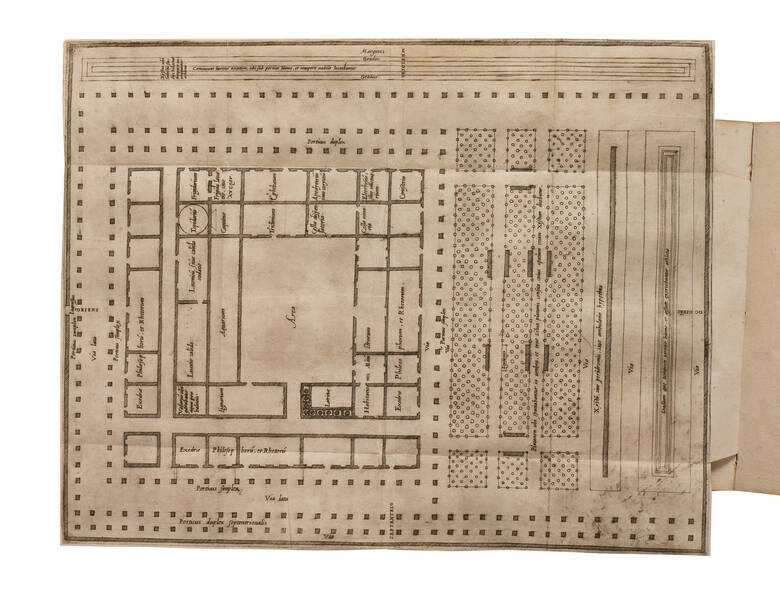
MERCURIALE, Girolamo
Artis gymnasticae apud antiquos celeberrimae, nostris temporibus ignoratae, libri sex.
SOLD OUT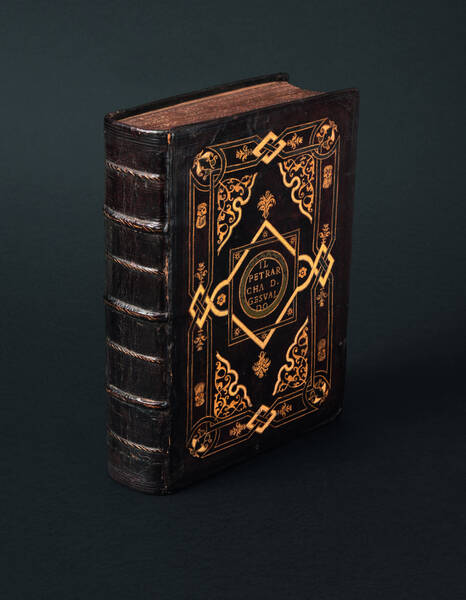
PETRARCA, Francesco
Il Petrarcha colla spositione di misser Giouanni Andrea Gesualdo. I Triomphi del Petrarcha colla spositione di misser Giouanni Andrea Gesualdo da...
SOLD OUT![Opera posthuma [Compendium grammatices linguae hebraeae].](https://www.medariquier.com/typo3temp/pics/9e46dbc214.jpg "Opera posthuma [Compendium grammatices linguae hebraeae].")
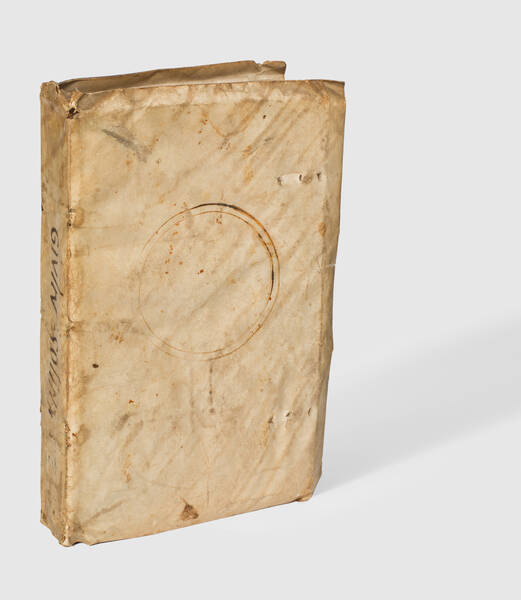
POMPONIUS MELA, IULIUS SOLINUS
Itinerarium Antonini Aug. Vibius Sequester. P. Victor de regionibus urbis Romae. Dionysius Afer de Situ orbis Prisciano interprete
SOLD OUT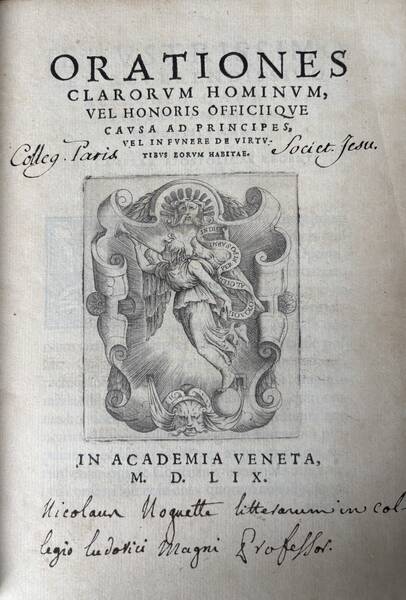
ACCADEMIA VENETA
Orationes clarorum hominum, vel honoris officiique causa ad principes, vel in funere de virtutibus eorum habitae.
€ 1.500
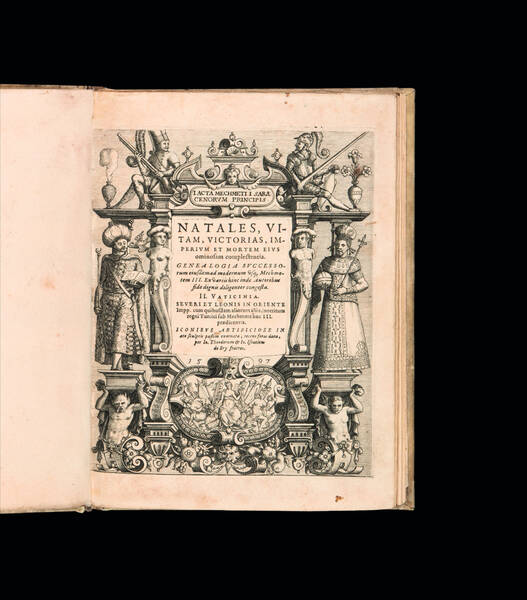
[DE BRY, Johann Theodor & Johann Israel]
I. Acta Mechmeti I Saracenorum principis. Natales, vitam, victorias, imperium et mortem eius ominosam complectentia. Genealogia successorum eiusdem...
€ 11.000
GAZZETTIERE AMERICANO
Il Gazzettiere Americano, contenente un distinto Ragguaglio di Tutte le Parti del Nuovo Mondo.
SOLD OUT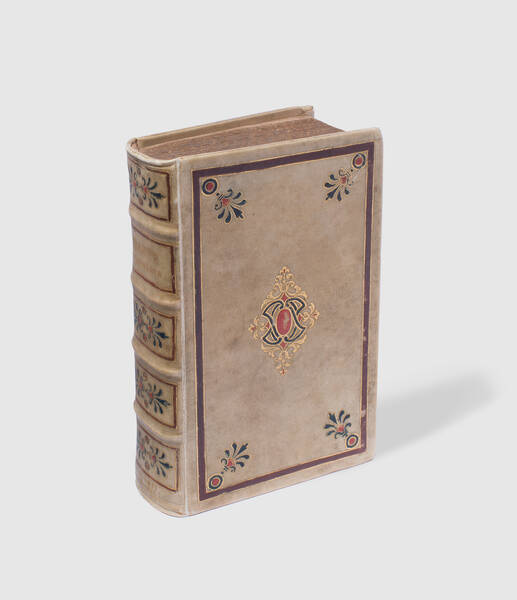
ALIGHIERI, Dante
Commedia di Dante insieme con vno dialogo circa el sito forma et misure dello Inferno.
SOLD OUT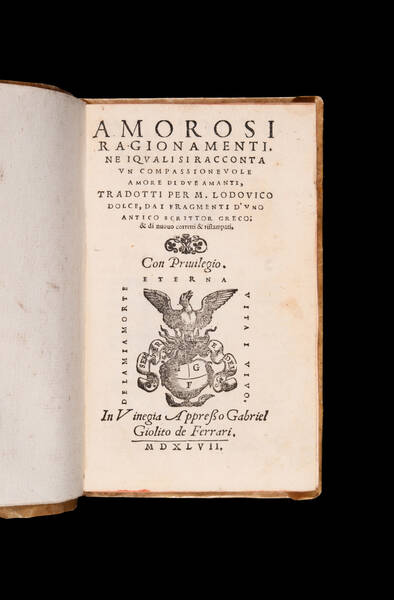
MEDA RIQUIER rare books ltd.
4 Bury Street St James's
SW1Y 6AB London
Phone +44 (0) 7770457377
info@medariquier.com