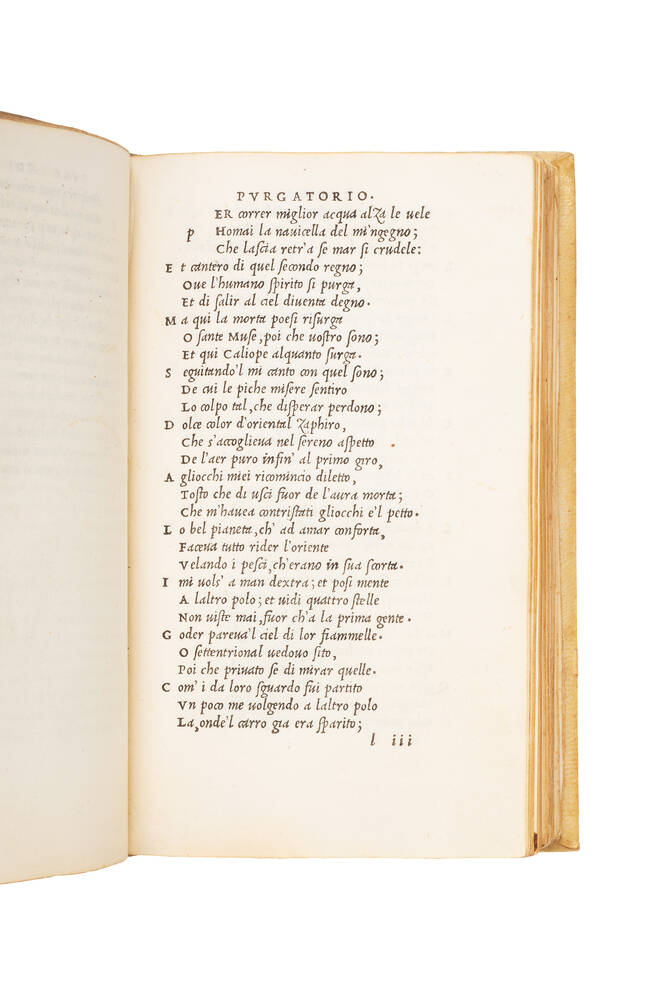
ALIGHIERI, Dante. Le terze rime.
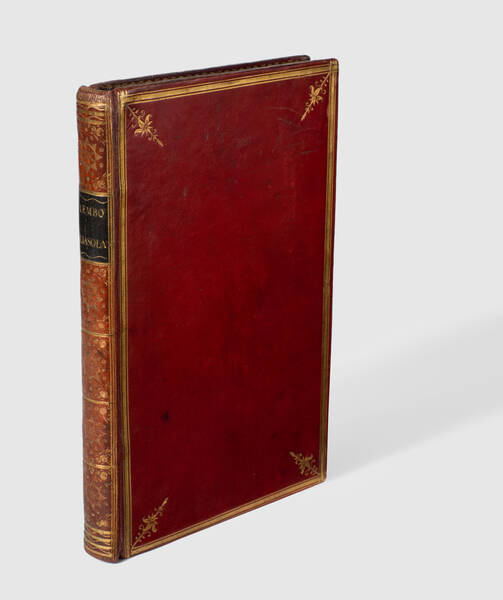
Venice, in aedibus Aldi., August 1502.Octavo (159 x 90 mm.), 244 unnumbered leaves with the blank leaf at the end of the Inferno, Aldus device on verso of last leaf. Title page reinforced in the gutter and with a stamp of a private collection, edges of the first quire lightly frayed, a few spots and contemporary marginal annotations; a good copy in early XIX century stiff vellum calf, spine in compartments with double lettering pieces.
A good copy of the celebrated first Aldine edition of Dante by Pietro Bembo. This is the first and only time that Dante's Commedia was given the title Le terze rime, a decision of the editor.Pietro Bembo (1470-1547) was a young Venetian patrician and humanist who, thanks to his classical education and his scholarly interests, was closely involved as from the late 15th century with the Aldine Press. In July 1501 and August 1502, he edited for Aldus the first Petrarch and the first Dante to appear in the 16th century; these two pivotal editions appeared in the famous pocket-format series of Latin and vernacular texts Aldus launched in April 1501, after some years spent in printing Greek and Latin works. “The series set out to be radically and provocatively innovative. It used a completely new typeface, the first ever Italic. The format was octavo, unheard of for printed texts of this kind. It accorded to Petrarch and Dante the same status as Latin classics such as Virgil and Horace, and it presented the work of all of these authors uncluttered by commentaries and other extraneous matter for the first time in some twenty to twenty-five years. This must have restricted the readership of these editions, but it allowed those who did not need help with the interpretation of the texts to approach them with a fresh mind. […] These two editions marked a radical overhaul and purification of the text of the Tuscan poets. They were to prove of central importance for the development of Italian vernacular literature in the sixteenth century, in which Pietro Bembo took a leading part” (Davies, 46-48).This edition of Dante's masterpiece was based on the text provided by a mid-14th manuscript with a distinguished story: the book was sent by Boccaccio to Petrarch in 1351-1353 and later was bought by Bembo's father, Bernardo, whose important library included some of the texts previously owned by Petrarch himself. Both the Petrarchan code and the copy Pietro Bembo derived from it by his own hand still survive nowadays in the Vatican Library in Rome (they are, respectively, Codex Vaticanus Latinus 3199 and 3197). In supplying the printers not with a corrected earlier edition of the text but with a manuscript he had copied out himself, Bembo completely broke with the editorial conventions of his time. Bembo also possessed a personal copy of the Florentine editio princeps by Cristoforo Landino (a gift by Landino himself to Bernardo Bembo, dating from 1483), which he mainly followed when detaching from the Petrarchan text.This Aldine edition was hegemonic throughout the Renaissance: none of the 16th century Dante editions, not even the Crusca Academy edition (Florence 1595), ever altered the basic setting of the text established by Bembo.
References: Renouard 34-35; B. Richardson, Print Culture in Renaissance Italy, Cambridge 1994; M. Davies, Aldus Manutius. Printer and Publisher of Renaissance Venice, 1999; A.E. Mecca, La tradizione a stampa della Commedia: dall'Aldina del Bembo (1502) all'edizione della Crusca (1595), Nuova Rivista di Cultura Italiana 16 (2013), 9-59.
Other Books
![[De Architectura libri decem], M. Vitruuius per Iocundum solito castigatior factus cum figuris et tabula vt iam legi et intelligi possit.](https://www.medariquier.com/typo3temp/pics/b57e48f107.jpg "[De Architectura libri decem], M. Vitruuius per Iocundum solito castigatior factus cum figuris et tabula vt iam legi et intelligi possit.")
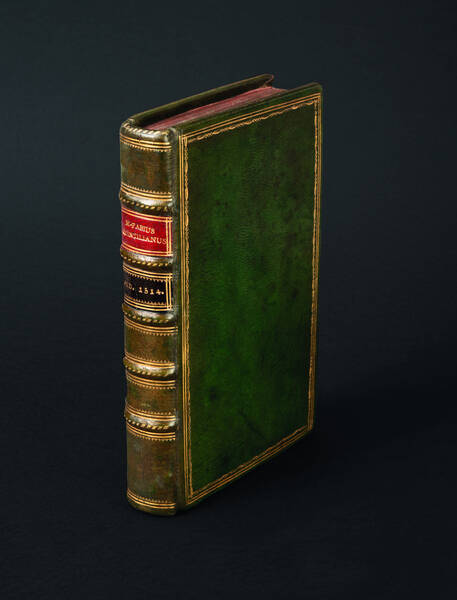
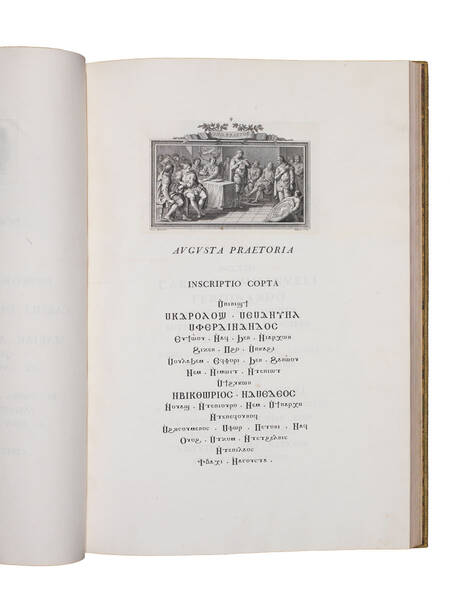
VITRUVIUS POLLIO, Marcus
[De Architectura libri decem], M. Vitruuius per Iocundum solito castigatior factus cum figuris et tabula vt iam legi et intelligi possit.
SOLD OUT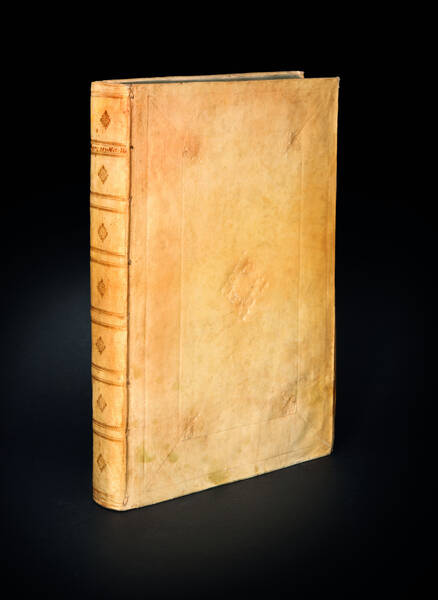
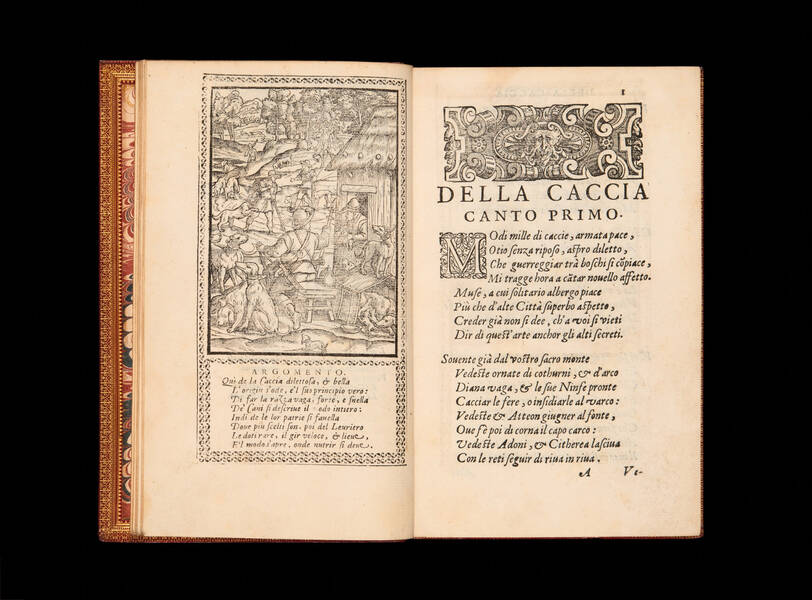
VALVASONE, Erasmo da
Della caccia poema del signor Erasmo di Valuasone. All'ill. signor Cesare di Valuasone suo nepote. Con gli argomenti a ciascun canto del sig. Gio....
€ 3.500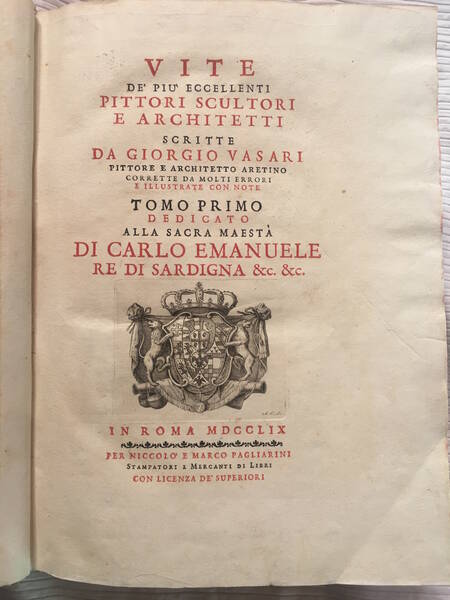
![[Istrumento della donazione di dodici volumi di Leonardo da Vinci fatta alla Biblioteca Ambrosiana di Milano da Galeazzo Arconati a mezzo del suo procuratore Cristoforo Sola in data 21 gennaio 1637].](https://www.medariquier.com/typo3temp/pics/a8ebe8d518.jpg "[Istrumento della donazione di dodici volumi di Leonardo da Vinci fatta alla Biblioteca Ambrosiana di Milano da Galeazzo Arconati a mezzo del suo procuratore Cristoforo Sola in data 21 gennaio 1637].")
[LEONARDO DA VINCI]
[Istrumento della donazione di dodici volumi di Leonardo da Vinci fatta alla Biblioteca Ambrosiana di Milano da Galeazzo Arconati a mezzo del suo...
€ 16.000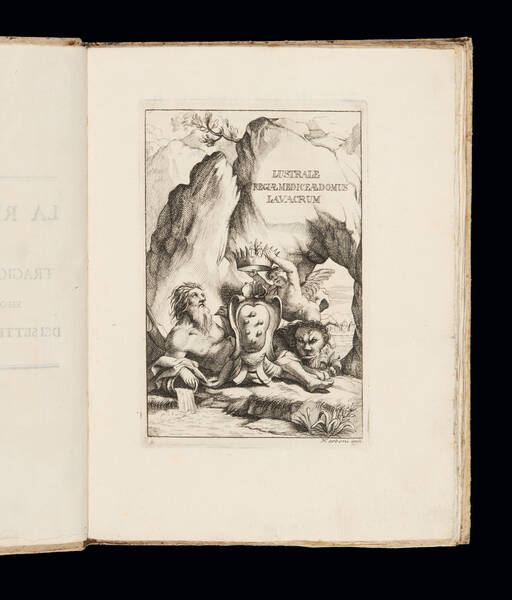
CATANI, Francesco Saverino
La reale medicide, esponente nella morte di Don Garzia i fatti più speciali di Cosimo Duca II. di Firenze ... Tragica festa teatrale, illustrata di...
€ 3.000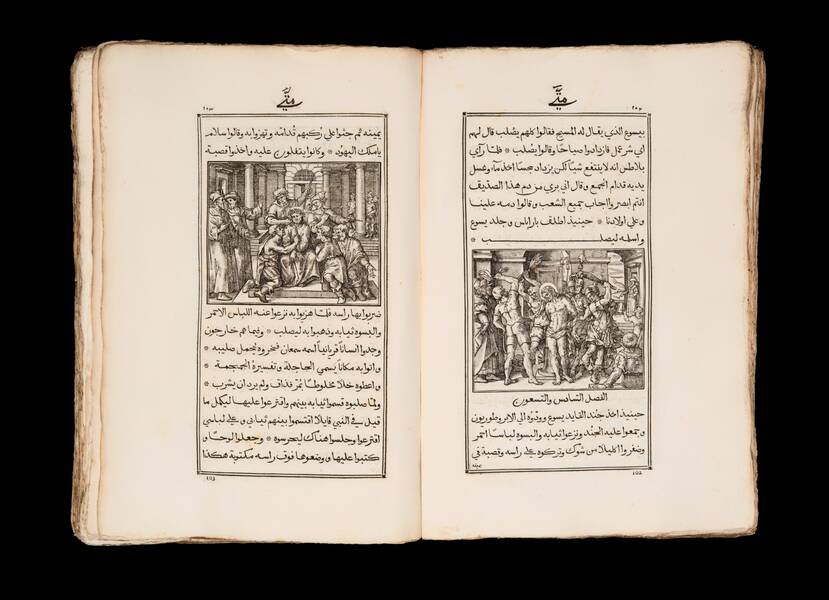
[BIBLIA ARABICA]
Evangelium Sanctum Domini nostri Iesu Christi conscriptum a quatuor Evangelistis sanctis, id est Matthaeo, Marco, Luca et Iohanne.
SOLD OUT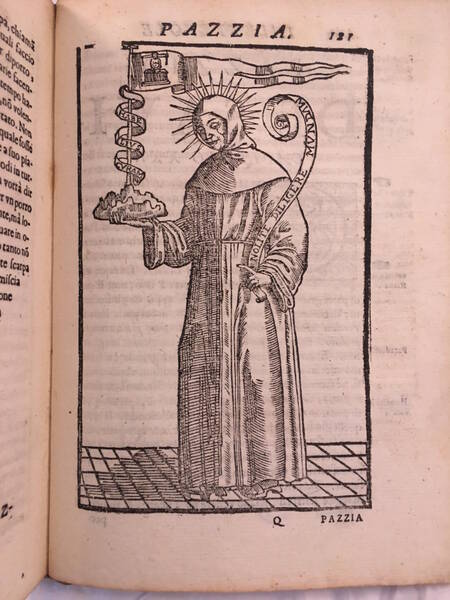
SPELTA, Antonio Maria
La saggia pazzia, fonte d’allegrezza, madre de’ piaceri, regina de’ belli humori.
€ 2.000![Trattato della natura de’ cibi et del bere [...] nel quale non solo tutte le virtù, & i vitij di quelli minutamente si palesano; ma anco i rimedij per correggere i loro difetti copiosamente s’insegnano.](https://www.medariquier.com/typo3temp/pics/d4e0248596.jpeg "Trattato della natura de’ cibi et del bere [...] nel quale non solo tutte le virtù, & i vitij di quelli minutamente si palesano; ma anco i rimedij per correggere i loro difetti copiosamente s’insegnano.")
MEDA RIQUIER rare books ltd.
4 Bury Street St James's
SW1Y 6AB London
Phone +44 (0) 7770457377
info@medariquier.com