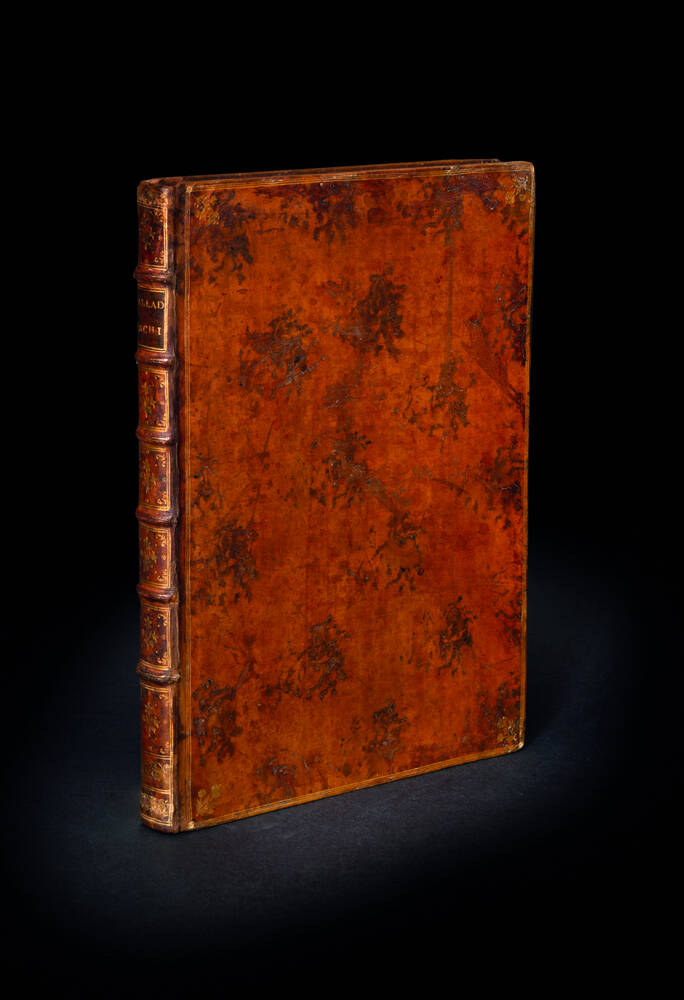
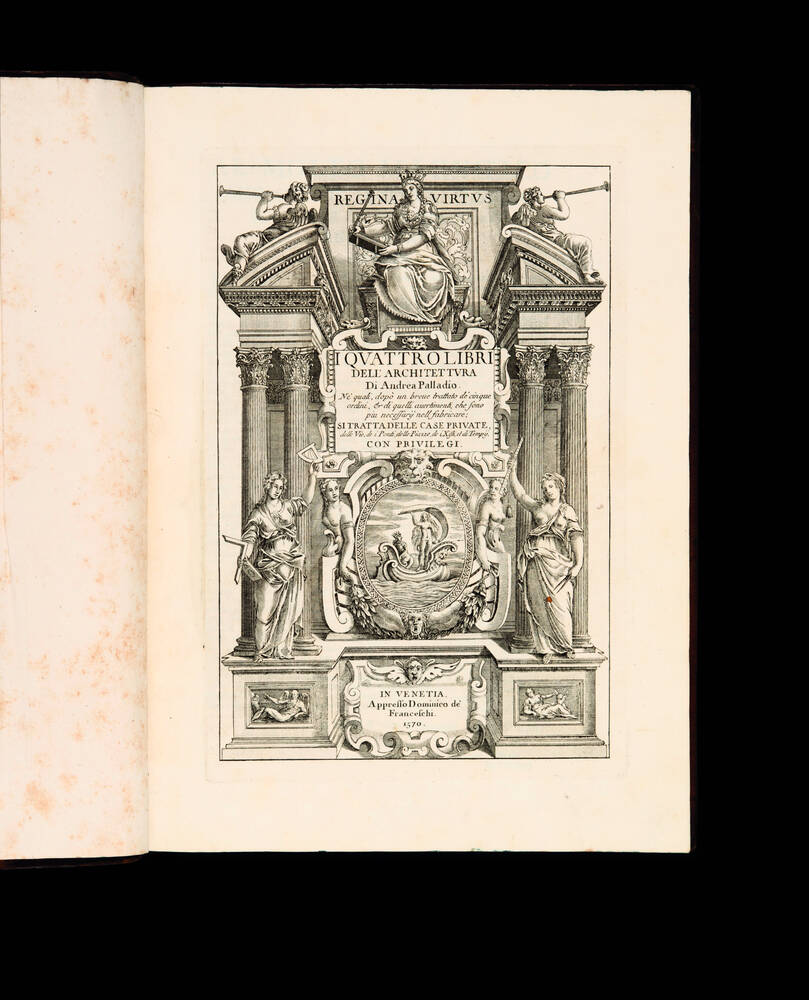
PALLADIO, Andrea. I quattro libri dell'architettura.
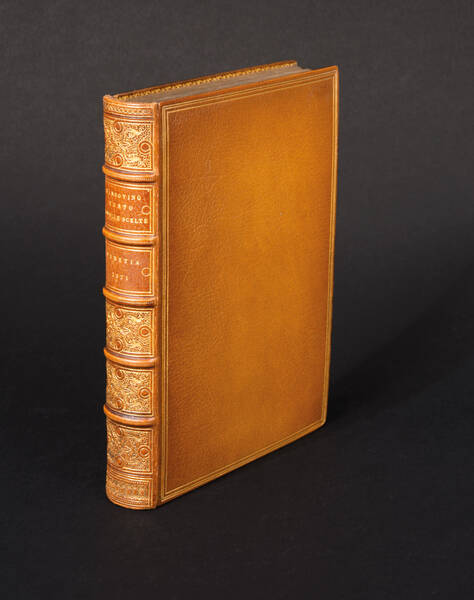
Venice, Domenico de' Franceschi [Giovanni Battista Pasquali]., 1570 [late 1766 or early 1767].Folio (345×255mm), 4 parts in one volume. I: [4], 63, [1]; II: [2], 76; III: [4], 42, [2]; IV: [2], 131, [1] pages; with four engraved title pages and numerous illustrations after the original 1570 woodcuts. Contemporary calf binding, triple gilt filetts around sides, four floral tools at corners; spine in compartments, with gilt title and floral tools. Hinges slightly restored but a very fine copy.
A faithful reprint of the first edition of Andrea Palladio's Quattro libri dell'architettura, printed by Giovanni Battista Pasquali for the British Consul in Venice Joseph Smith ( 1674–1770). This new eighteenth-century edition of the Quattro libri conceals its actual date of publication, repeating the bibliographic information from the title page and colophon of the original edition, printed by Domenico de' Franceschi in 1570. However, there are some important differences between the two editions: the plates are copper engravings rather than woodcuts, the paragraphs lack historiated initials, the typesetting is altered, and the format is larger than the original quarto. The commissioner, Joseph Smith, had worked as a merchant banker in Venice since around 1700, and served as the British Consul in the same city from 1744 to 1760. An avid art collector, art dealer and bibliophile, Smith was ranked among the most important art patrons of his time: he commissioned works from Canaletto, Francesco Zuccarelli and Antonio Visentini, and had contacts with all the most prominent contemporary Venetian artists, such as Giovanni Battista Piranesi and Antonio Maria Zanetti. In his small palace on the Grand Canal, he had amassed a large collection of paintings, drawings, coins, medals, jewellery, gems, cameos, intaglios, books and manuscripts. By the 1760s, when Smith was over eighty years old, "his financial affairs were in a decline, owing largely to the disturbances to European trade caused by the wars of the 1740s and 1750s" (A King's Purchase, p. 10): he thus sold his entire collection to King George III in 1762 for £ 20,000. Most of the Smith collection remains in the Royal Collection to this day, except for his library of books and illuminated manuscripts, which was divided between the British Library, the British Museum and the Royal Library. Consul Smith was also a bookseller and publisher: he had founded his own publishing house, the Pasquali Press, in 1736, in partnership with the Venetian printer Giovanni Battista Pasquali. Driven by Smith's "serious and informed interest in architecture, and in particular the work of Andrea Palladio" (ibid., p. 10), the Pasquali Press printed several architectural volumes in the 1730s and 1740s. In 1746, Pasquali began working on a faithful reproduction of the first edition of Palladio's treatise, the Quattro libri dell'architettura, for which he executed 99 engravings: this project had emerged within Smith's circle of Venetian architects and architectural theorists, including Tommaso Temanza, Carlo Lodoli and Francesco Algarotti, and was prompted by the edition's scarcity on the book market. However, it was soon halted and was not resumed until April 1760, when engraver Pietro Monaco work continued on the engravings. The Quattro libri were originally intended to follow a biography of Palladio by architect Tommaso Temanza, which however was published separately in 1762, while a limited print run of Palladio's treatise was finally issued for Smith and his circle between late 1766 and early 1767, with more copies later being printed for sale. Consul Smith had some copies of the book bound in red morocco with his coat of arms in gilt in the centre as gifts for his friends; one of them was the British philanthropist and libertarian theorist Thomas Hollis (1720–1774), the heir of a Whig merchant family who dedicated his wealth to spreading English liberal principles. It was through his relationship with Consul Smith, whom he had met in 1751–52 during his Grand Tour, that Hollis had developed an interest in Palladian architecture. In the years leading up to the American Revolution, he became increasingly committed to the cause of the American colonies, and more specifically to the education of American students: he became an important benefactor of Harvard University, donating numerous works from his personal library after a fire destroyed the vast majority of what at the time was the largest book collection in the North American colonies. It is precisely Hollis's copy of Smith's Quattro libri that allows us to date the issue: upon receiving the volume, before sending it to Harvard in May 1768, he had annotated on an endpaper that this "pompous edition" was printed in Venice "by Joseph Smith Esquire 1767". Hollis's hope was that classical culture would form the basis of education for young Americans, and the knowledge of ancient architecture, Hollis believed, played an important role in this endeavour. Ultimately, it was the same passion for ancient architecture that inspired Charles Bulfinch, a student at Harvard, and Thomas Jefferson, the founders of the new national American architecture.
A King's Purchase: George III and the Collection of Consul Smith. London: The Queen's Gallery, Buckingham Palace, 1993; Sartore, Anna R. "Il piano liberale di Thomas Hollis e i Quattro libri dell'architettura di Andrea Palladio nella biblioteca dell'università di Harvard: nuove acquisizioni sulla riedizione finanziata dal console Joseph Smith." Annali di architettura 30 (2018): 81–90.
Other Books
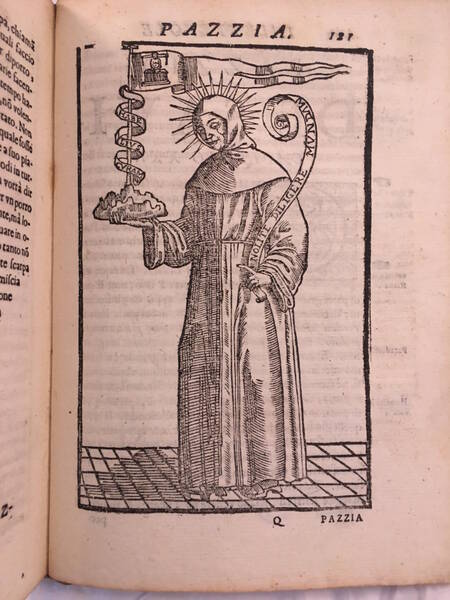
SPELTA, Antonio Maria
La saggia pazzia, fonte d’allegrezza, madre de’ piaceri, regina de’ belli humori.
€ 2.000
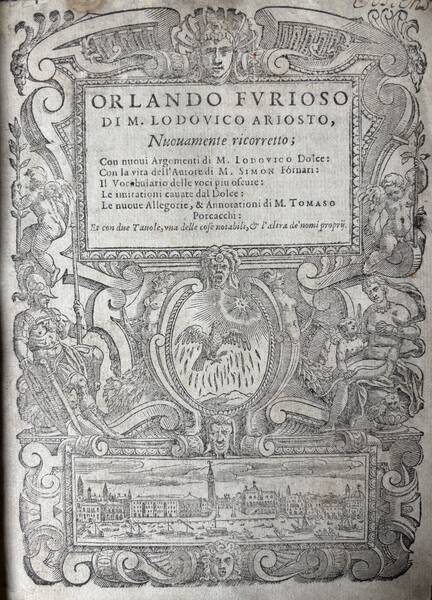
ARIOSTO, Ludovico
Orlando Furioso di M. Lodovico Ariosto, nuovamente ricorretto; con nuovi argomenti di M. Lodovico Dolce: con la vita dell'autore di M. Simon Fornari:...
€ 3.000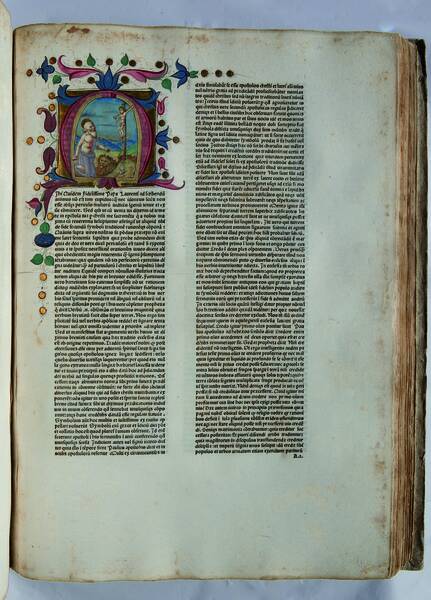
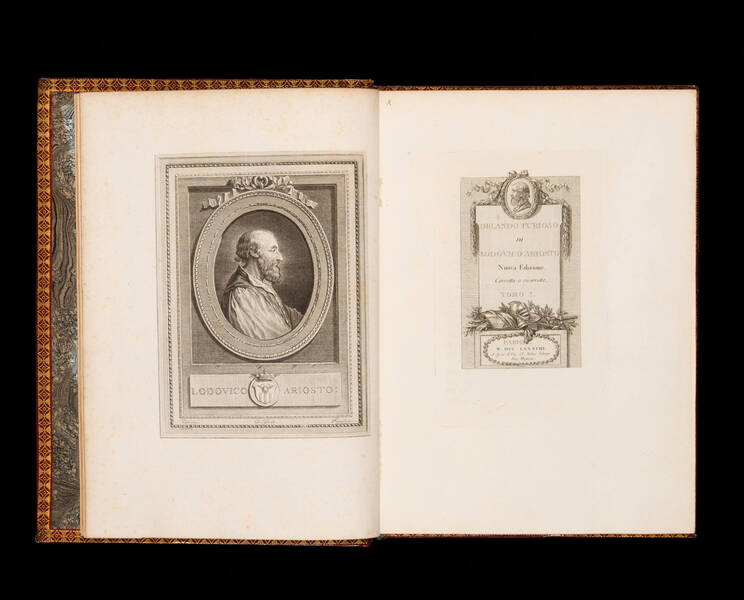
ARIOSTO, Ludovico
Orlando furioso di Ludovico Ariosto. Nuova Edizione Corretta e ricorretta.
€ 6.000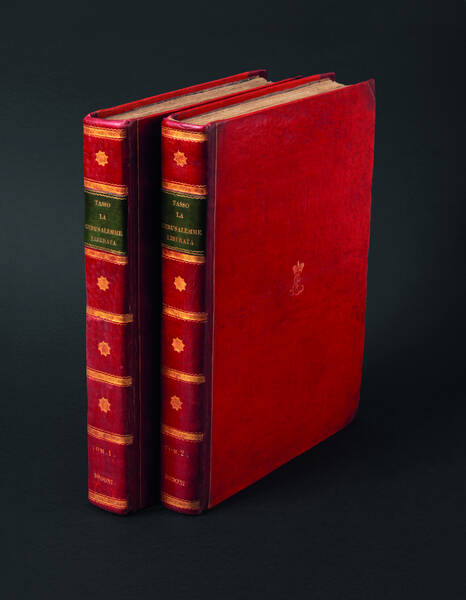
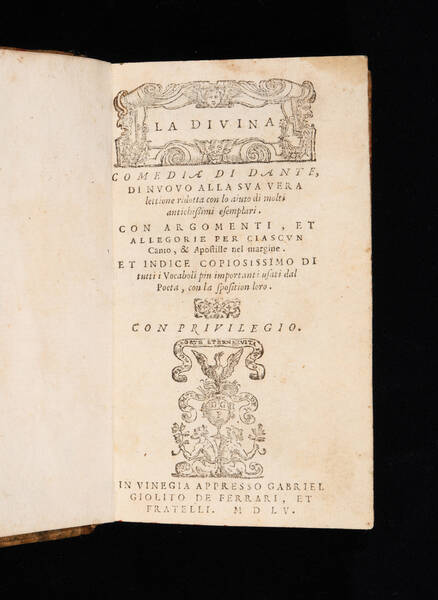
ALIGHIERI, DANTE
La Divina Comedia Di Dante, di nuouo alla sua vera lettione ridotta con lo aiuto di molti antichissimi esemplari. Con argomenti, et allegorie per...
SOLD OUT![Opera posthuma [Compendium grammatices linguae hebraeae].](https://www.medariquier.com/typo3temp/pics/9e46dbc214.jpg "Opera posthuma [Compendium grammatices linguae hebraeae].")
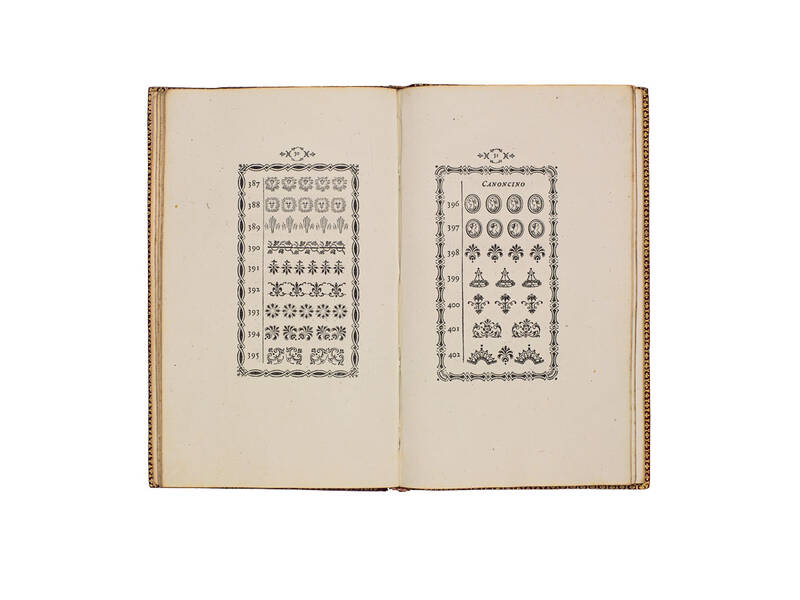
[BODONI]
Fregi e Majuscole incise e fuse da Giambattista Bodoni direttore della Stamperia Reale
SOLD OUT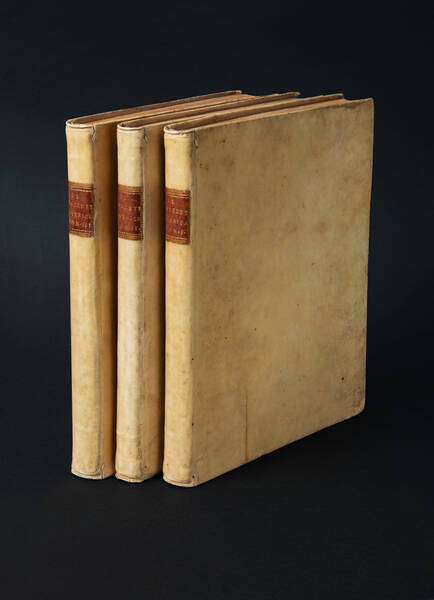
GAZZETTIERE AMERICANO
Il Gazzettiere Americano, contenente un distinto Ragguaglio di Tutte le Parti del Nuovo Mondo.
SOLD OUT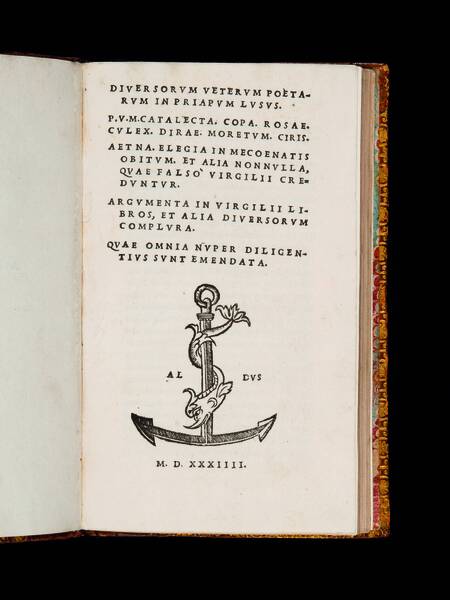
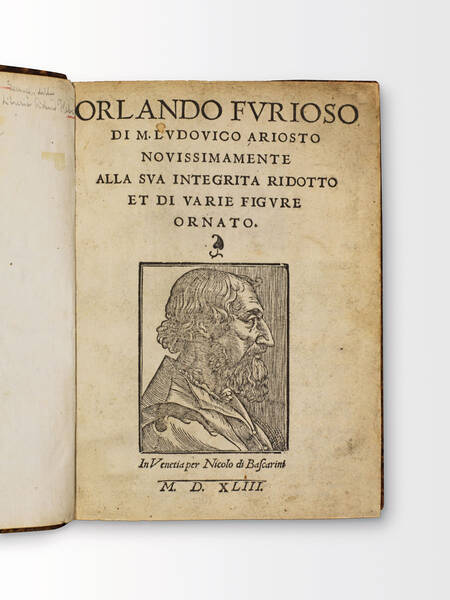
ARIOSTO, Ludovico
Orlando Furioso di M. Ludovico Ariosto novissimamente alla sua integrità ridotto et di varie figure ornato.
SOLD OUT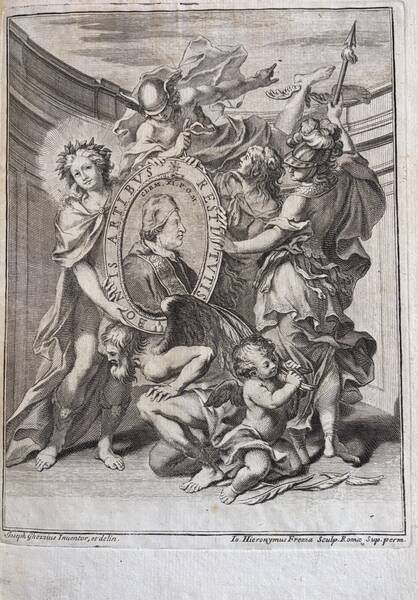
GHEZZI, Giuseppe
Roma tutrice delle belle arti, pittura, scultura, e architettura – mostrata nel Campidoglio dall'Accademia del disegno il dí 2. Ottobre 1710. Essendo...
€ 700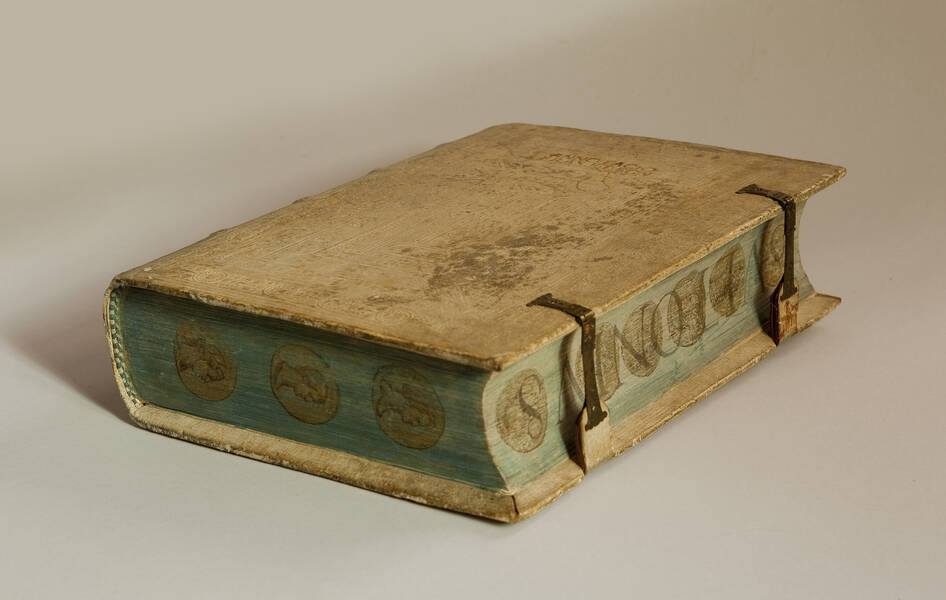
![[Istrumento della donazione di dodici volumi di Leonardo da Vinci fatta alla Biblioteca Ambrosiana di Milano da Galeazzo Arconati a mezzo del suo procuratore Cristoforo Sola in data 21 gennaio 1637].](https://www.medariquier.com/typo3temp/pics/a8ebe8d518.jpg "[Istrumento della donazione di dodici volumi di Leonardo da Vinci fatta alla Biblioteca Ambrosiana di Milano da Galeazzo Arconati a mezzo del suo procuratore Cristoforo Sola in data 21 gennaio 1637].")

MEDA RIQUIER rare books ltd.
4 Bury Street St James's
SW1Y 6AB London
Phone +44 (0) 7770457377
info@medariquier.com