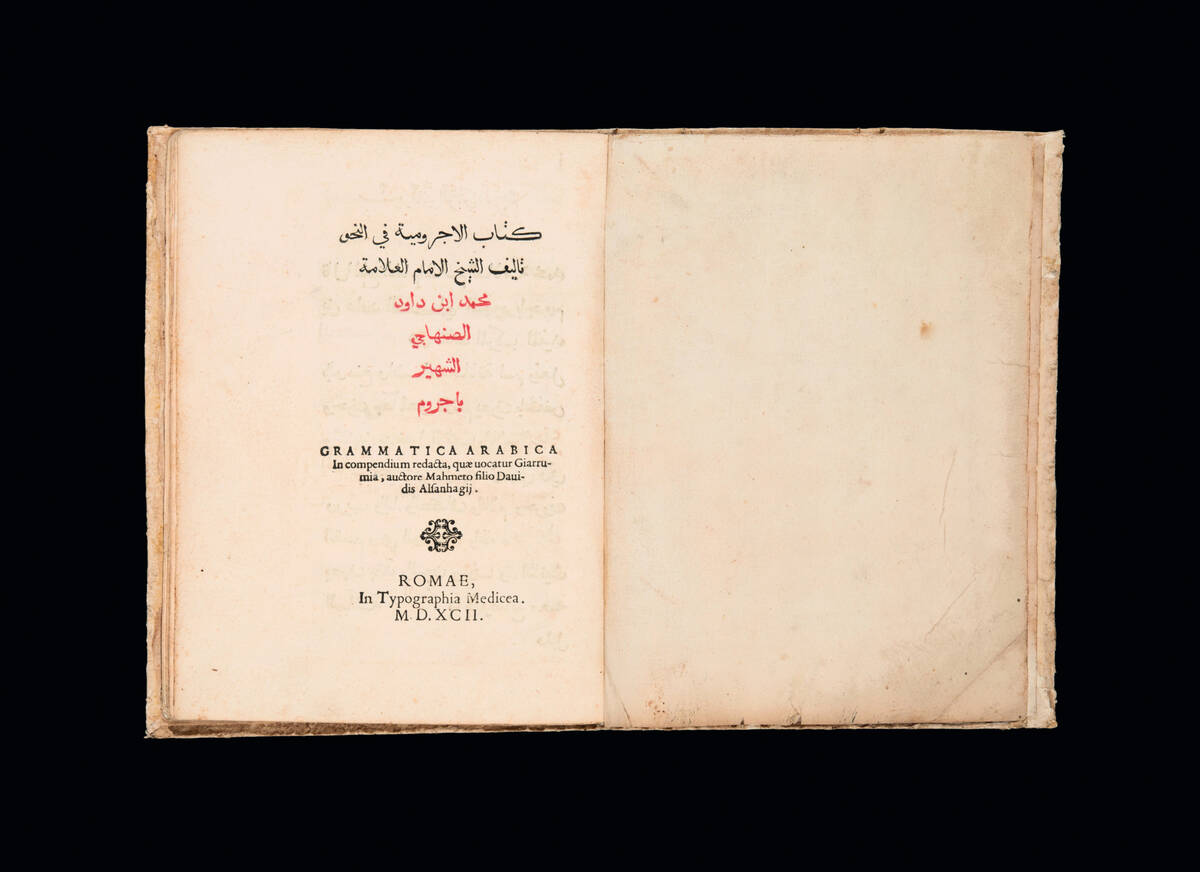
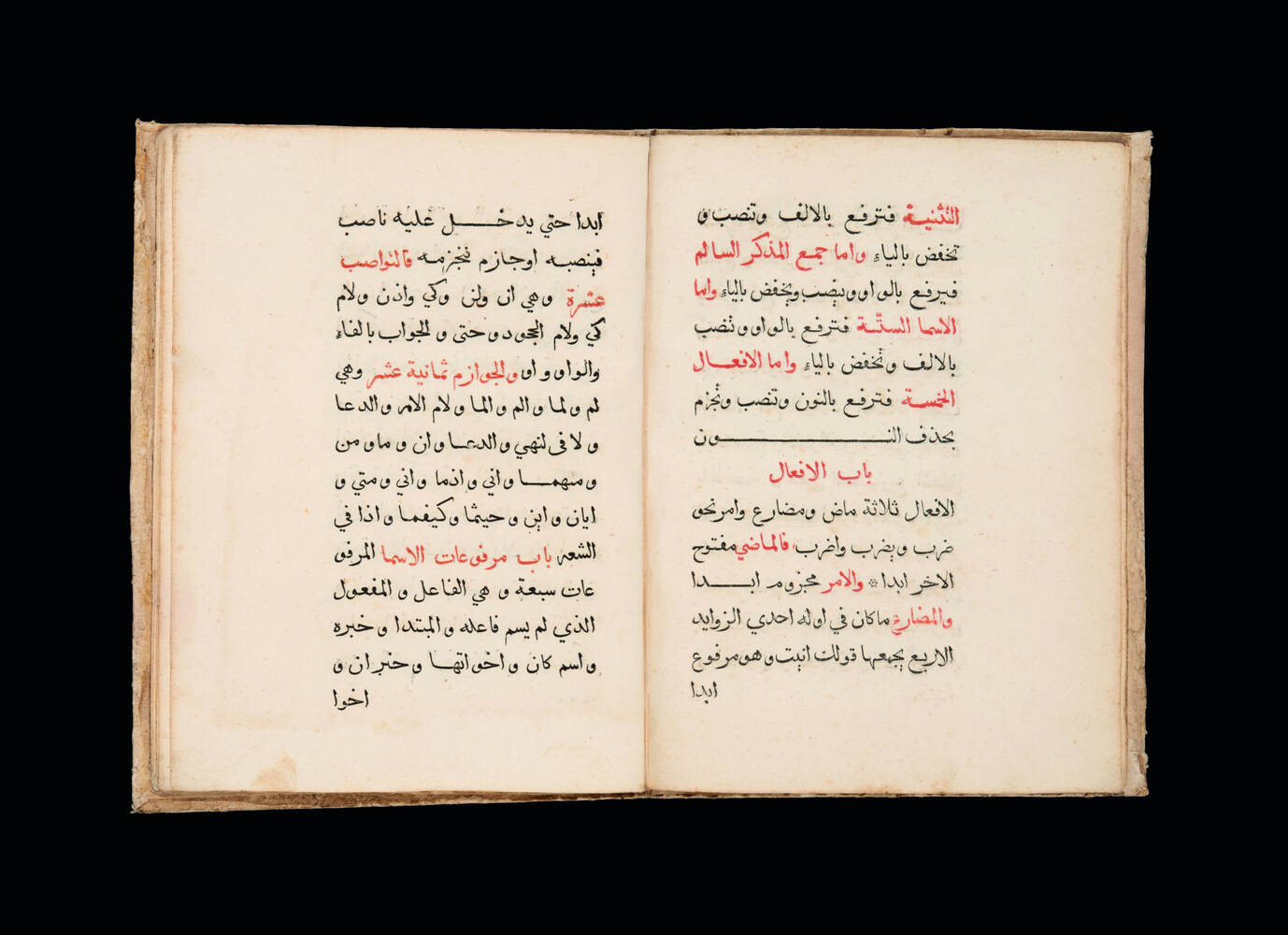
AL-SANHAJI. Grammatica arabica in compendium redacta, quae vocatur Giarrumia.
Rome, in Typographia Medicea., 1592.Quarto (227×167mm). [12] leaves. Title in red and black in Arabic and Latin scripts. Text printed in Arabic in red and black. Some light foxing and dust-soiling. A fine copy in contemporary interim boards.
First edition of Al-Sanhaji's Arabic grammar, printed entirely in Arabic using Robert Granjon's types. Muḥammad ibn Muḥammad ibn Dāʾūd al-Ṣanhājī, also known as Ibn Ajurrum ('son of the pauper'), was born ca. 1273 in Fez and studied grammar in Cairo. While on a pilgrimage to Mecca, he composed the grammar which bears his name. "It is a revision and distillation of a work called 'The Book of the Sentences', Kitāb al-Jumal by al-Zajjājī. It had been written in turn on the basis of Sībawaihi's Kitāb [the most important Arabic grammar, written in the late VIII century]. Al-Ṣanhājī's Meccan synopsis was called 'The Beggarly Introduction', al-Muqaddima al-ājurrūmiyya, and, according to tradition, the pious author composed it with his face turned towards the Kaʿaba, the central shrine of Islam. His reverence resulted in a lasting work: the Ājurrūmiyya is rated as the classic primer for students of classical Arabic inflection and syntax, nahw. […] The Ājurrūmiyya is not consulted by the beginner without difficulty. Indeed the extreme conciseness of the work, by which it lives up to its name, has prompted as many as sixty commentaries for the purposes of expanding and explaining the laconic rules packed into its few pages — rules that are little more than the mention of essential grammatical terms, often without illustration or adequate definition" (Jones, p. 200). Its editio princeps was printed with the Latinised title of Giarrumia in 1592 by initiative of Giovanni Battista Raimondi, the director of the Typographia Medicea. In the same year, another Arabic grammar, the Kāfiya, and Raimondi's introductory Arabic grammar, the anonymous Alphabetum arabicum, were also printed by the Typographia Medicea. Often referred to as the Medici Oriental Press, it operated in Rome between the last decades of the sixteenth century and the beginning of the seventeenth century under the patronage of Cardinal Ferdinando de' Medici, later Grand Duke of Tuscany from 1587. The press was established in 1584 by Ferdinando, supported by Pope Gregory XIII and directed by the Orientalist and mathematician Giovanni Battista Raimondi (1536–1614). The ultimate purpose of the Typographia Medicea was, in the Pope's mind, the printing of sacred and religious texts in Oriental languages that were to be disseminated throughout the Mediterranean and the Near East. Cardinal Ferdinando, on the other hand, considered the Oriental Press as an investment through which he could gain the commercial monopoly over the book trade throughout the Levant. However, his investment was to prove unsuccessful. The press never managed to produce substantial revenues, and the initial expenses were not covered by the sales: thousands of copies remained lying in the closets of Ferdinando's palace in Rome and later were moved to several Medici residences in Florence and Pisa. In spite of the financial failure, the cultural and scientific enterprise led by Raimondi achieved great results. The high technical skills of the craftsmen involved in the making of several Oriental types, together with Raimondi's exceptional linguistic and philological expertise, allowed the Typographia to produce editions of unprecedented quality. Moreover, Cardinal Ferdinando and Raimondi put together a library that remains an extant legacy for future generations, today constituting the core of the collection of the Oriental manuscripts now kept in the Biblioteca Medicea Laurenziana in Florence" (Farina-Fani, p. 169).
EDIT16 CNCE 65819; Farina, Margherita & Fani, Sara. "The Typographia Medicea and the Humanistic Perspective of Renaissance Rome." In The Grand Ducal Medici and the Levant: Material Culture, Diplomacy and Imagery in Early Modern Mediterranean, edited by Maurizio Arfaioli and Marta Caroscio, 169–177. London: Harvey Miller Publishers, 2016; Jones, Robert. Learning Arabic in Renaissance Europe (1505–1624). Leiden-Boston: Brill, 2020.
Other Books
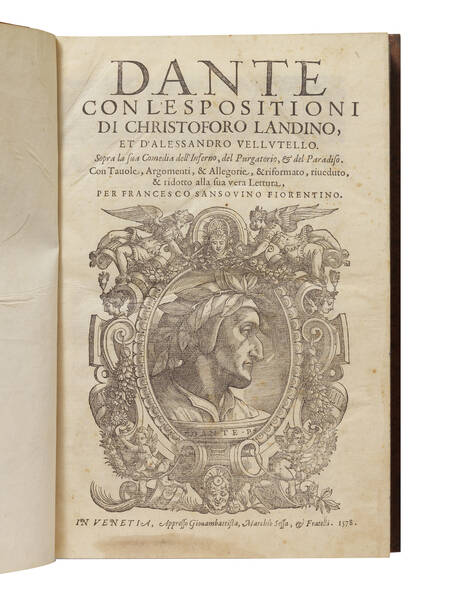
ALIGHIERI, Dante
Dante con l’espositioni di Christoforo Landino, et d’Alessandro Vellutello. Sopra la sua Comedia dell’Inferno, del Purgatorio, & del Paradiso. Con...
SOLD OUT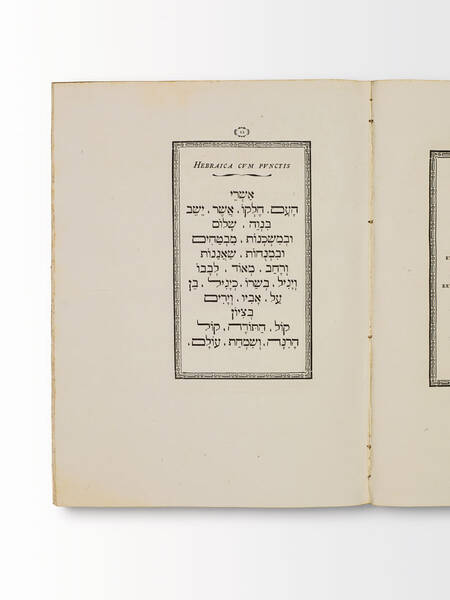
[BODONI]
Pel solenne battesimo di S.A.R. Ludovico Principe primogenito di Parma tenuto al sacro fonte da Sua Maestà Cristianissima e dalla Reale Principessa...
€ 6.000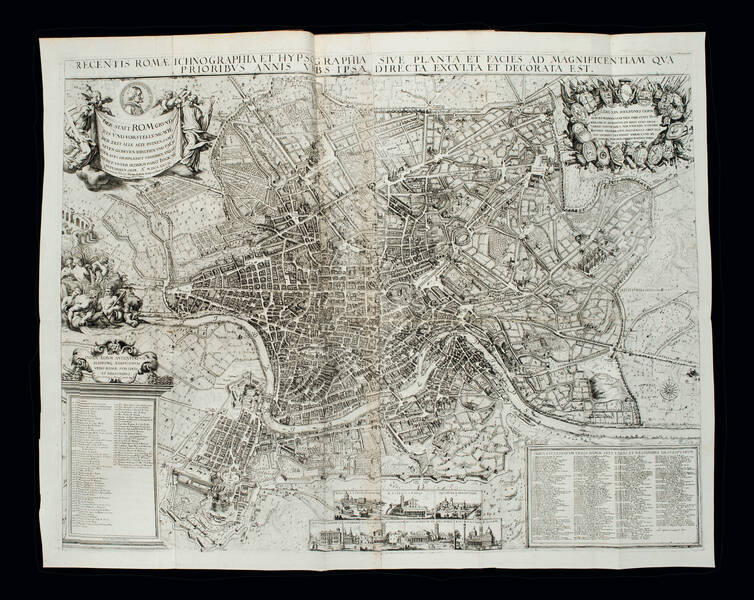
SANDRART, Joachim von
Romae antiquæ et novæ theatrum; sive, genuina ac vera urbis, juxta varios ejusdem status, delineatio topographica.
SOLD OUT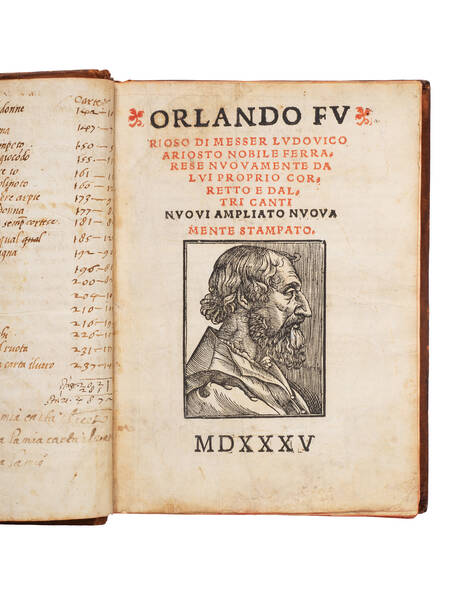
ARIOSTO, Lodovico
Orlando furioso di messer Ludovico Ariosto nobile ferrarese nuovamente da lui proprio corretto e daltri canti nuovi ampliato, nuovamente stampato.
SOLD OUT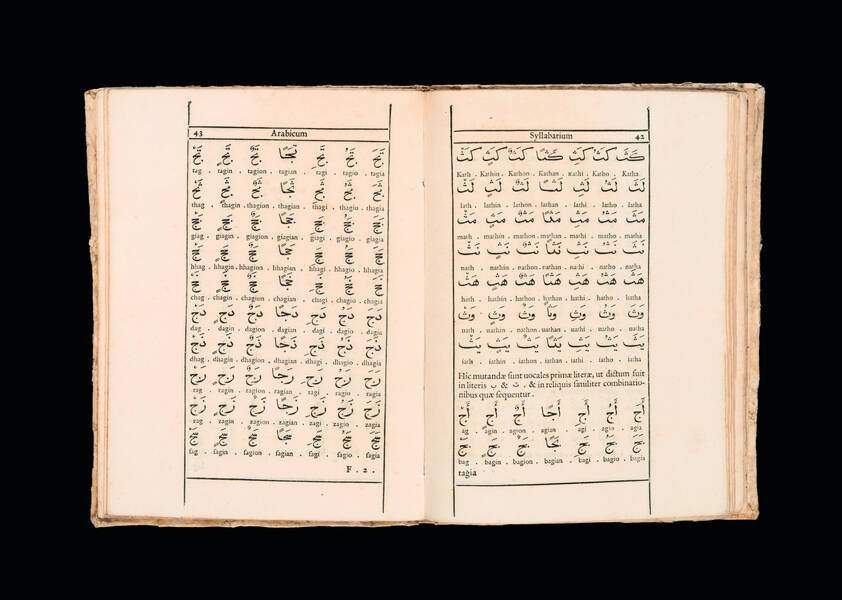
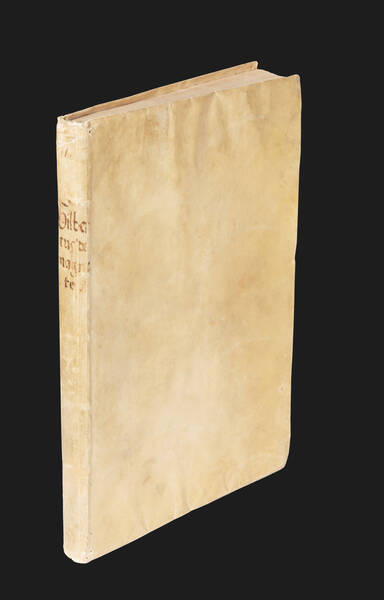
GILBERT, William
De magnete, magneticisque corporibus, et de magno magnete tellure; Physiologia nova, plurimis & argumentis, & experimentis demonstrata.
SOLD OUT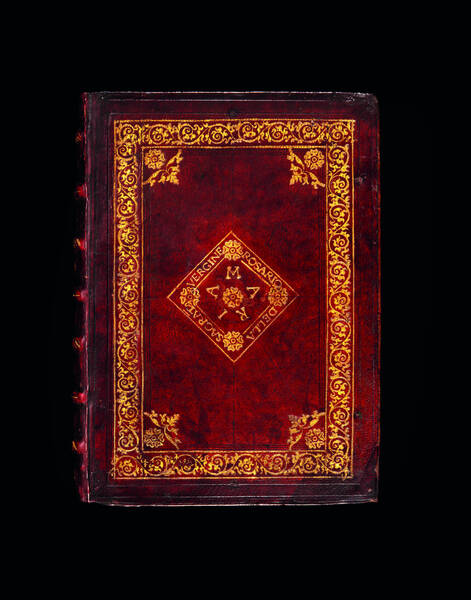
BEKETOV, Platon
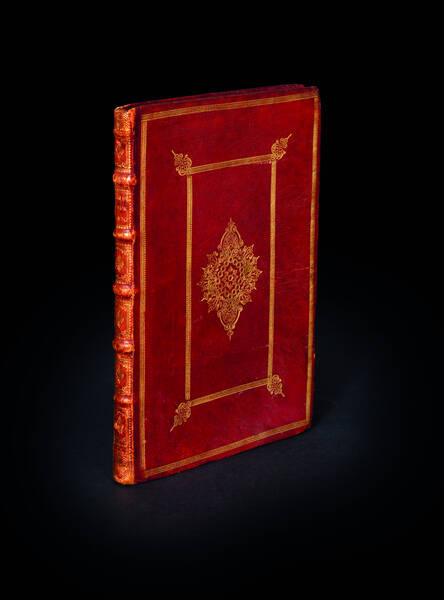
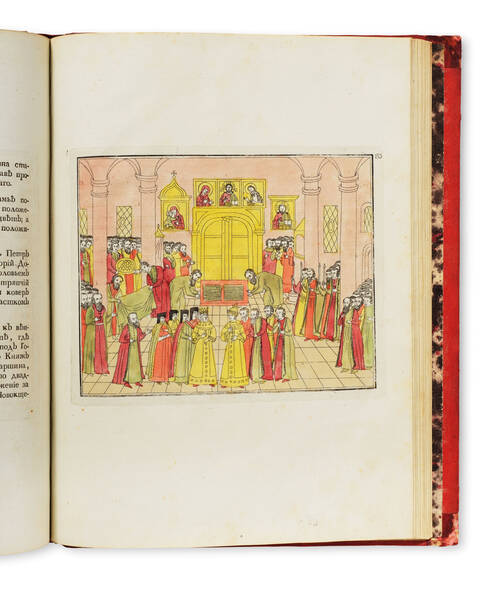
Opisanie v litsakh torzhestva, proiskhodivshego v 1626 godu fevralia 5, pri brakosochetanii gosudaria tsaria i velikogo kniazia Mikhaila...
SOLD OUT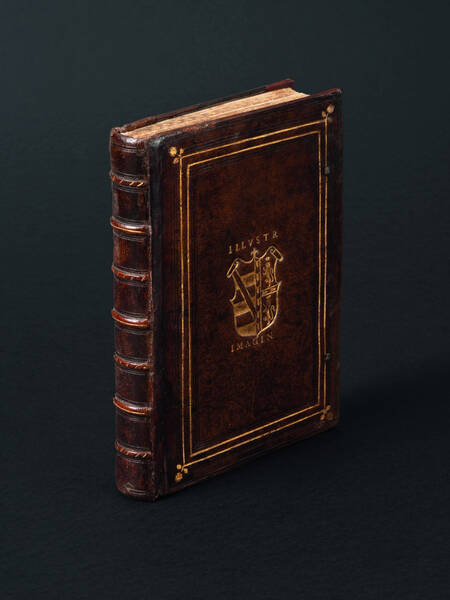
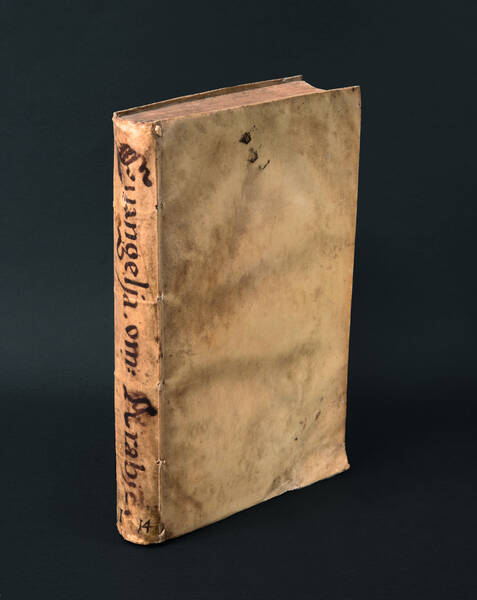
[BIBLIA ARABICA]
Evangelium Iesu Christi quemadmodum scripsit Mar Mattheus unus ex duodecim discipulis eius.
SOLD OUT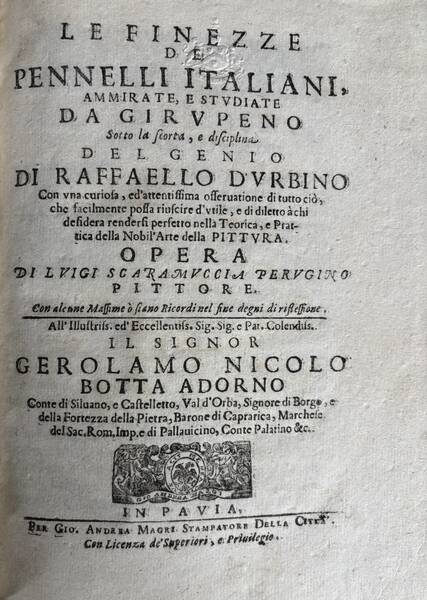
SCARAMUCCIA, Luigi
Le finezze de pennelli italiani, ammirate, e studiate da Girupeno sotto la scorta, e disciplina del genio di Raffaello d'Urbino : con una curiosa,...
€ 1.200
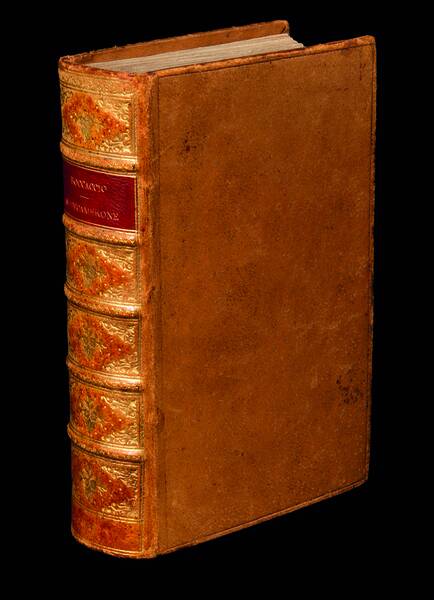
BOCCACCIO, Giovanni
Il Decamerone, nuovamente corretto, historiat & com diligenza stampato.
SOLD OUT![[Life of the Virgin Mary]](https://www.medariquier.com/typo3temp/pics/cbb0f7a08f.jpeg "[Life of the Virgin Mary]")
MEDA RIQUIER rare books ltd.
4 Bury Street St James's
SW1Y 6AB London
Phone +44 (0) 7770457377
info@medariquier.com