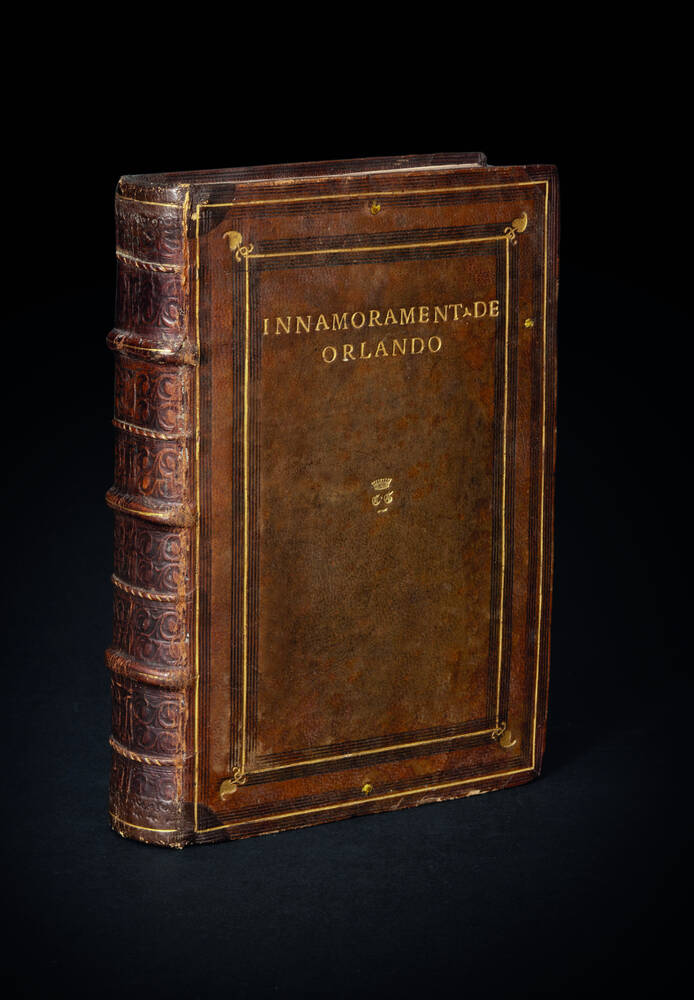
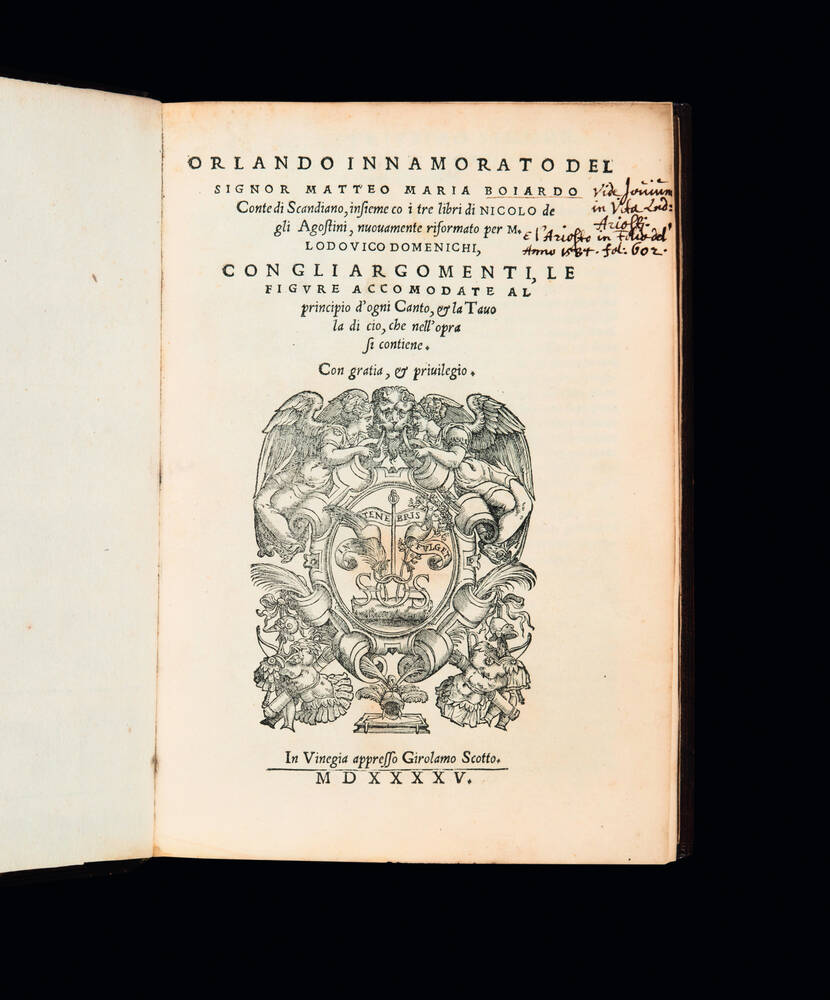
BOIARDO, Matteo Maria. Orlando Innamorato del signor Matteo Maria Boiardo Conte di Scandiano, insieme co i tre libri di Nicolo degli Agostini, nuovamente riformato per m. Lodovico Domenichi, con gli argomenti, le figure accomodate al principio d'ogni canto, & la tavola di cio che nell'opra si contiene.
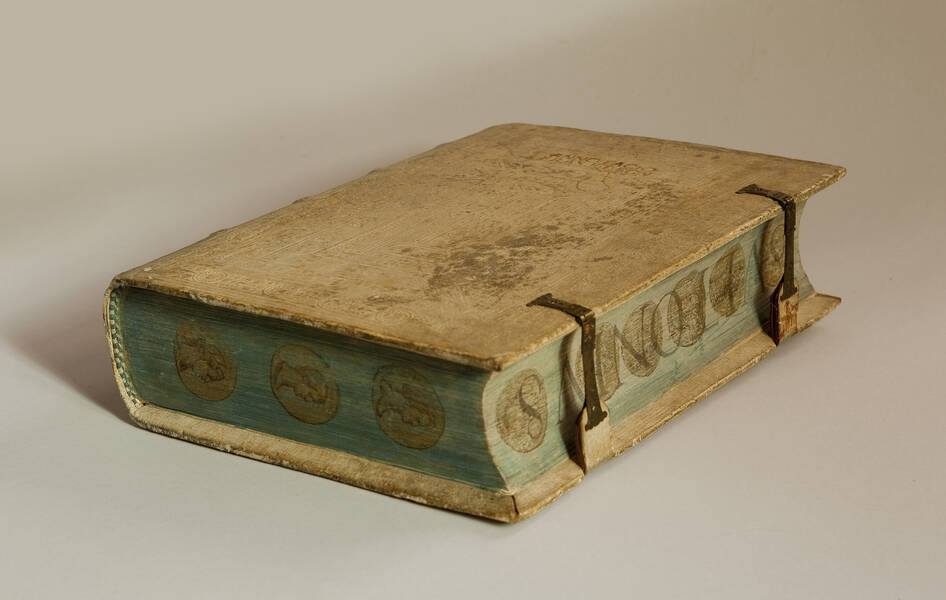
Venice, appresso Girolamo Scotto., 1545Quarto (220×150mm). 242, 183, [1 errata] leaves. Title-page with woodcut printer's device inside a medallion; the device only is repeated on the title page of the Quarto libro and on the last leaf. A woodcut vignette and initial are present at the beginning of each canto. Bound in contemporary brown calf, covers panelled in blind and gilt, gilt initials under a crown tool in the centre, gilt title on front cover, blind-tooled spine in compartments; edges gilt and gauffered, marbled endpapers. Restored headcaps and corners, spine lightly worn. Manuscript annotation on title page and occasional notes to the text. Short tear to z6, frequent errors in the foliation. Provenance: cardinal Girolamo Gastaldi (ex-libris), Livio Ambrogio (ex-libris). A very good copy.
First edition of Lodovico Domenichi's rewriting of the Orlando innamorato, Matteo Maria Boiardo's highly influential Renaissance epic poem based on the Carolingian cycle and the feats of French hero Roland. The first edition was supposedly printed in two books in 1482 and 1483, but no copies have survived to the present day. The third book was first printed in Venice in 1495 but remained unfinished due to Boiardo's death, resulting in various continuations (giunte) of the poem being produced by other authors. The first among them was the Venetian Nicolò degli Agostini, whose three books of continuation were printed in 1505, 1514 and 1521 respectively. In the 1520s, Nicolò Zoppino, a printer based in Venice, further solidified the significance of Agostini's giunte when he "determined the structure of the poem as it would be printed in the following 200 years: Boiardo's three books followed by Agostini's three books, as a coherent narrative sequence" (our translation of Harris, II, pp. 87–88). Once Boiardo's poem had finally been completed, the main problem its printers faced was revising its language, a northern vernacular deemed too distant from the Florentine literary canon Pietro Bembo had established with his Prose della volgar lingua of 1525. Francesco Berni's revision was published in 1542, with little success. A far more successful version was curated by Lodovico Domenichi (1515–1564) and first printed by Girolamo Scotto in 1545, which "became more important than both Boiardo's original poem and [Berni's] revision" (ibid., II, p. 142): it was reprinted fourteen times by six different printers in the following twenty years. "From a typographical perspective, [Girolamo Scotto's editions of the Orlando innamorato] mirror, or even explicitly emulate, the Giolito editions of the Orlando furioso curated by Dolce, printed from 1542 onwards. Giolito's major innovation was the simultaneous printing of Ariosto's poem in two formats: firstly, a magnificent quarto edition with italic types on high-quality paper, for the wealthy customers; then, an octavo reprint in roman types, for those less well-off. […] The title page of [Scotto's] 1545 quarto edition, with its large printer's device in the page centre, perfectly encapsulates the imitation of Giolito's style; on the inside, just as the Furioso of the same format, the poem is printed in clear italic types, and smaller roman types are used for the summaries. An octavo reprint followed in 1546–47." (ibid., II, pp. 143–144) The woodcuts at the beginning of each canto depict significant events from the poem, following the illustrative methodology first employed by Zoppino in his Furioso of 1530; they can be divided into two groups, based on their size, style and subject matter. Many of them are derived from the iconography of Latin classics, Virgil in particular: these larger-format vignettes are of higher artistic quality and show the influence of Marcantonio Raimondi and other artists active in Rome. The other, smaller-format woodcuts are inspired by Ariosto's poem and, in particular, Giolito's 1542 edition, a common practice for romance literature. The author of the woodcuts has been identified as the Senese artist Domenico Beccafumi (1486–1551).
BMSTC Italian p. 114; EDIT16 CNCE 6611; Melzi 178; Harris, Neil. Bibliografia dell'Orlando innamorato. Modena: Panini, 1988–91.
Other Books

BERRETTINI DA CORTONA PIETRO
Tabulae Anatomicae a celeberrimo pictore Petro Berrettino Cortonensi delineatae, & amp; egregiè aeri incisae nunc primum produent, et a Cajetano...
SOLD OUT
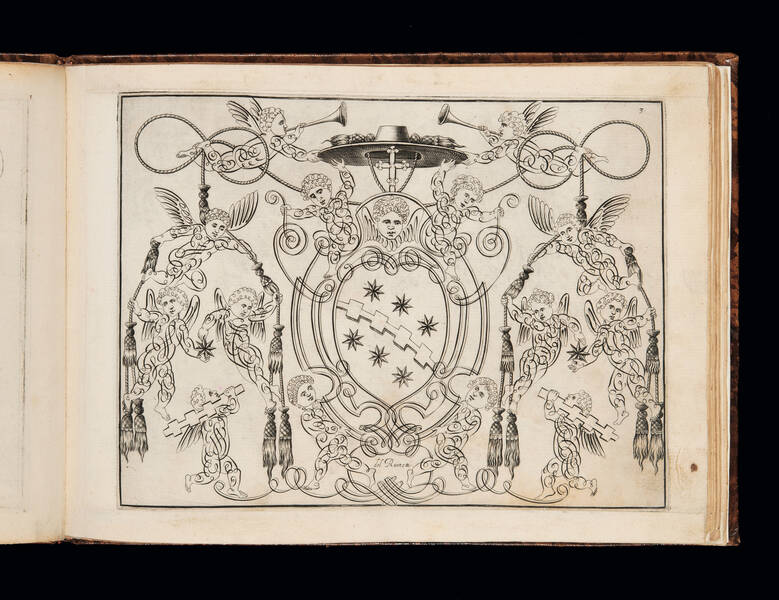
RUINETTI, Tomaso
Idea del buon scrittore, opera prima di Tomaso Ruinetti da Ravena a’beneficio de’desiderosi d’imitare le vere forme dello scrivere.
€ 8.000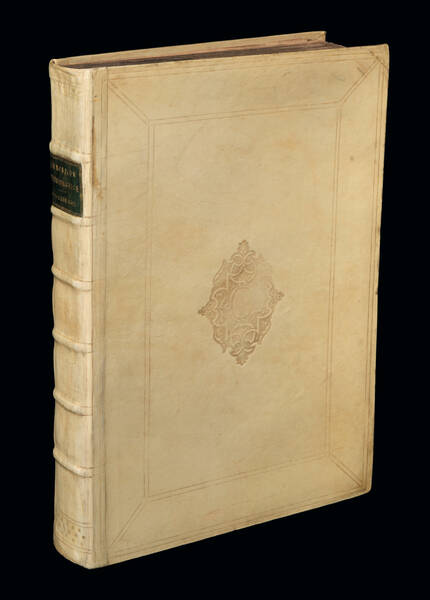
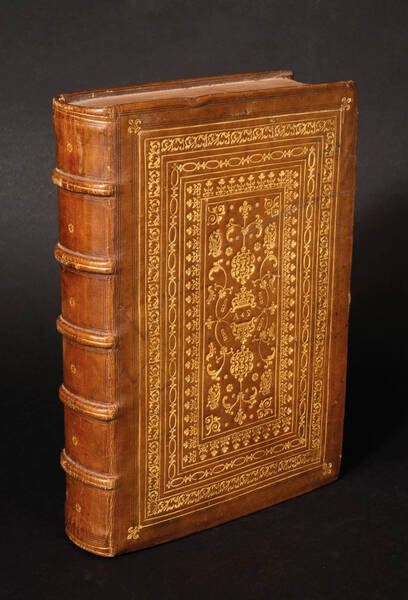
LIVIUS, Titus
Le deche di T. Liuio padouano delle historie romane, tradotte nella lingua toscana, da Iacopo Nardi cittadino fiorentino, & nuouamente dal medesimo...
€ 30.000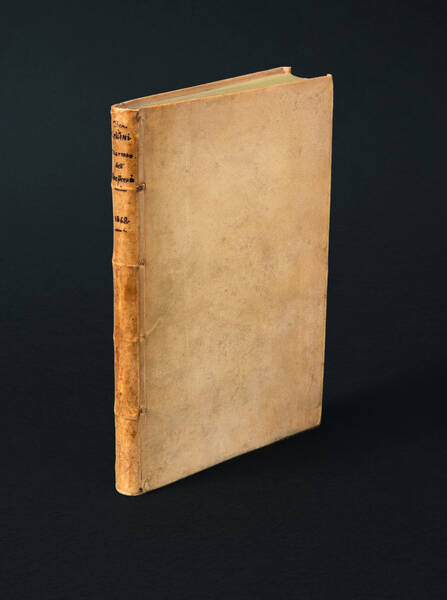
CELLINI, Benvenuto
Due trattati vno intorno alle otto principali arti dell'oreficeria. L'altro in materia dell'arte della scultura; doue si veggono infiniti segreti nel...
€ 12.000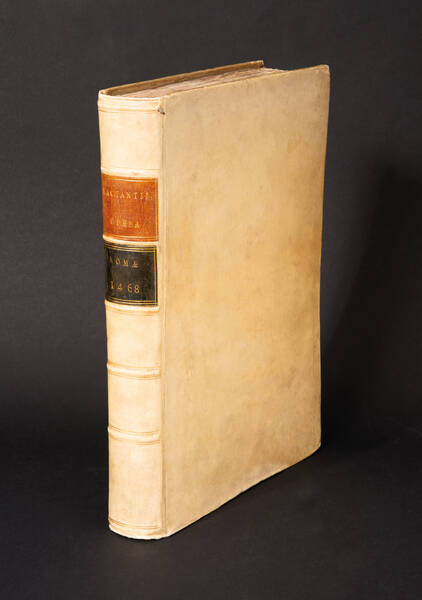
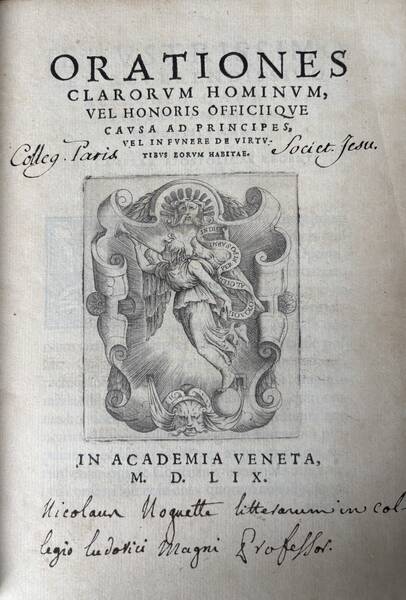
ACCADEMIA VENETA
Orationes clarorum hominum, vel honoris officiique causa ad principes, vel in funere de virtutibus eorum habitae.
€ 1.500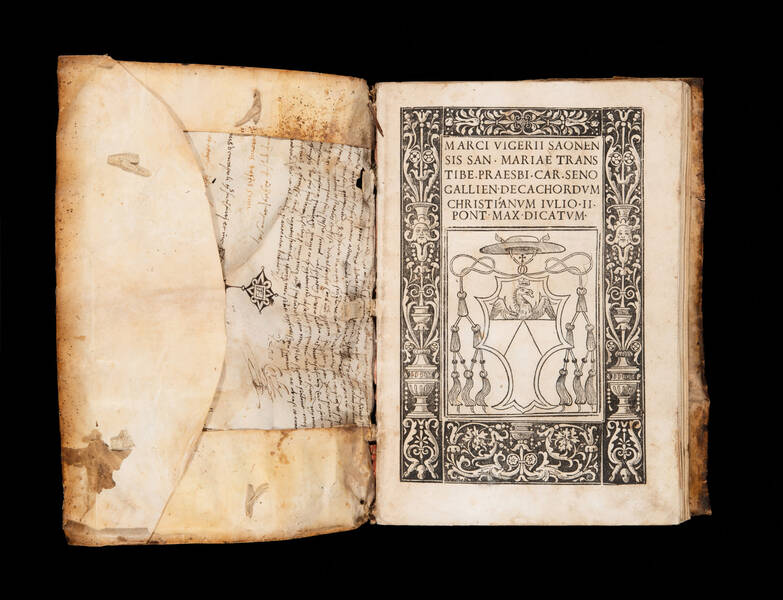
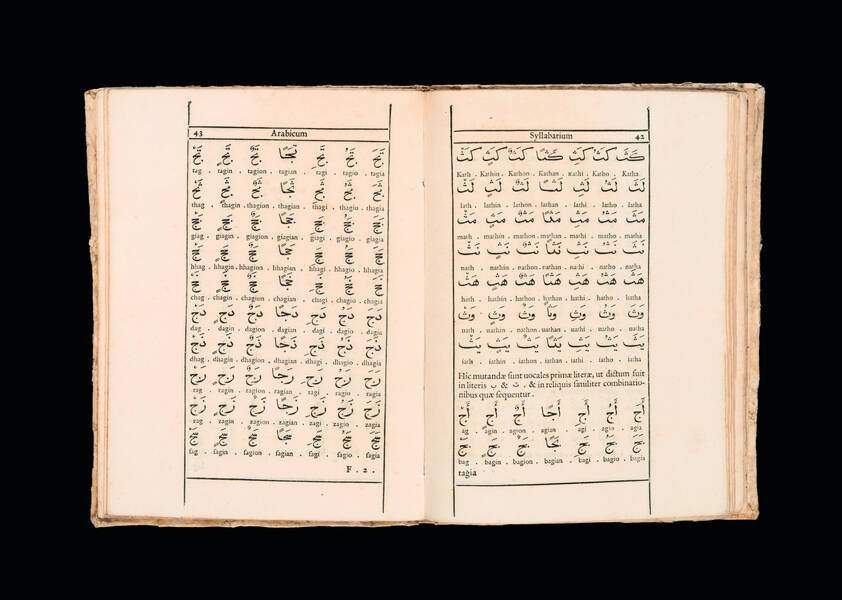
MERCURIALE, Girolamo
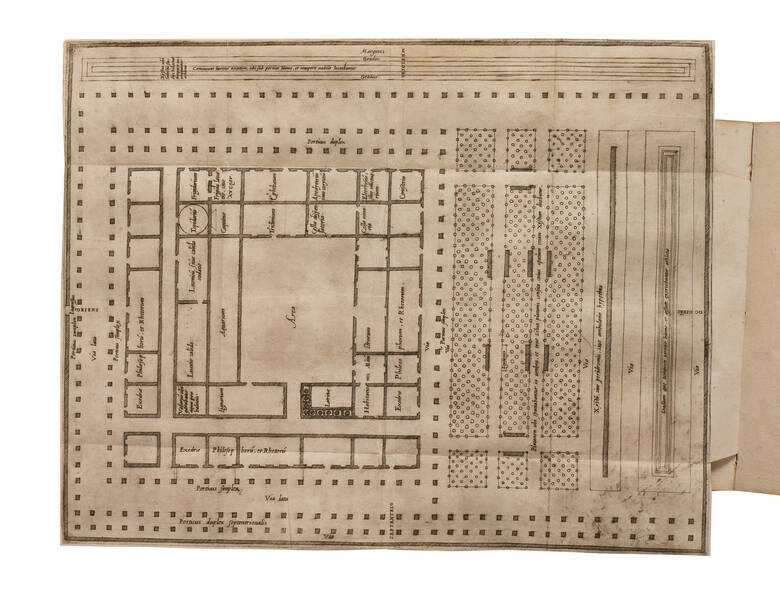
Artis gymnasticae apud antiquos celeberrimae, nostris temporibus ignoratae, libri sex.
SOLD OUT
MEDA RIQUIER rare books ltd.
4 Bury Street St James's
SW1Y 6AB London
Phone +44 (0) 7770457377
info@medariquier.com