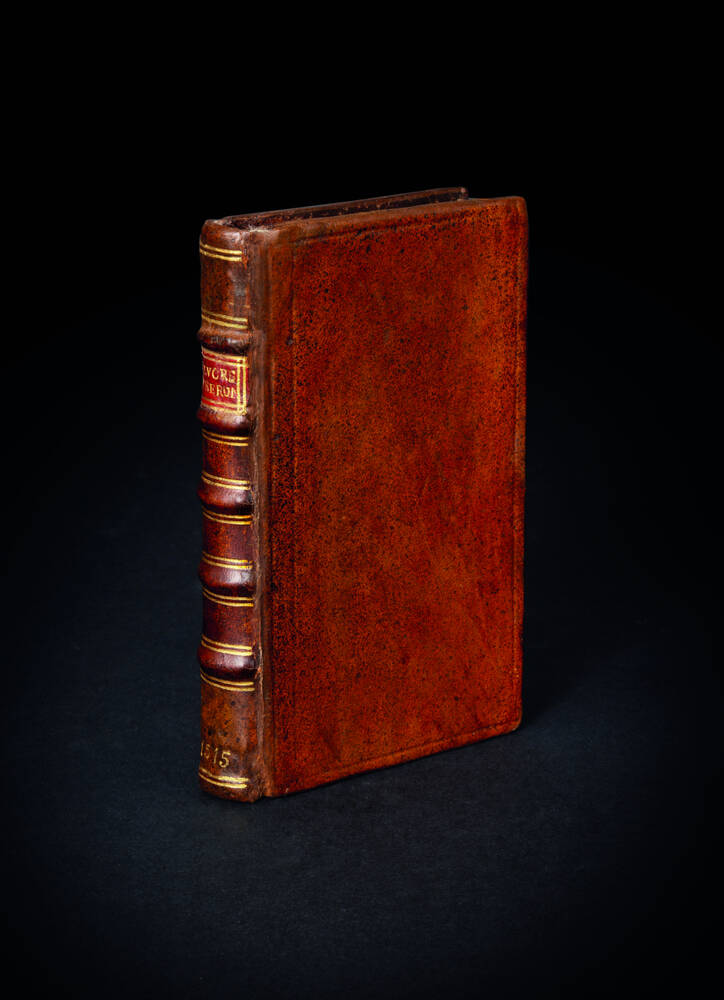
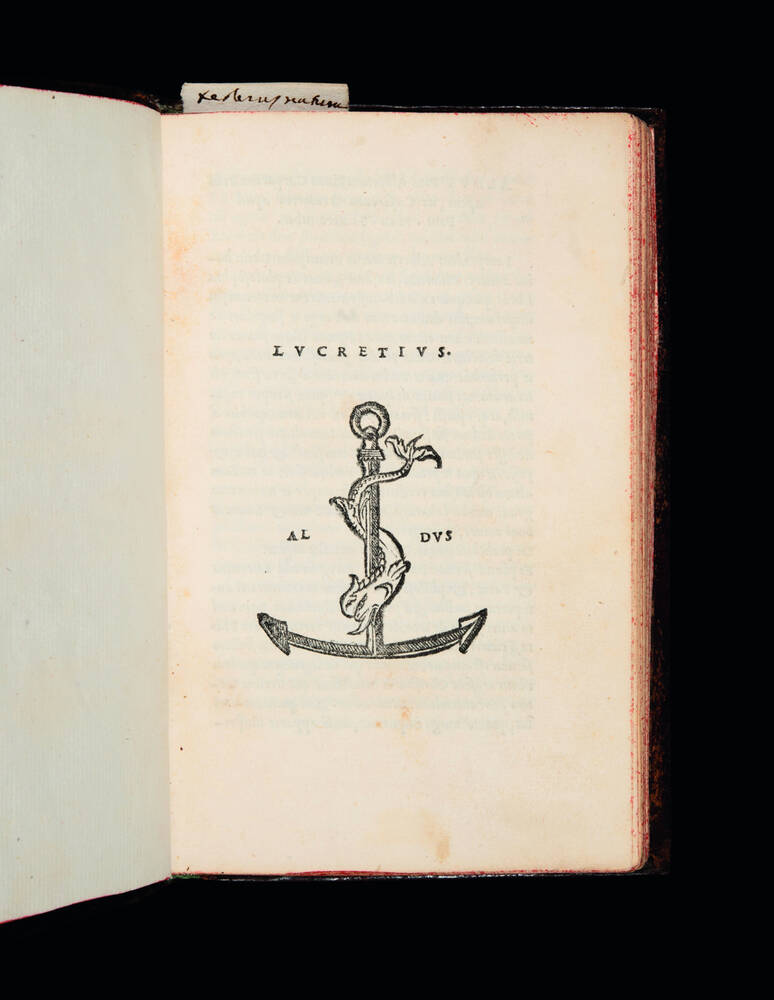
LUCRETIUS, Titus Carus. Lucretius.
Venice, in aedibus Aldi, et Andreae soceri., mense Ianuario 1515.Octavo (155×95mm). [8], 125, [3] leaves. Italic type. Aldine device on title-page and on final verso. Bound in late eighteenth-century calf, spine in compartments with red morocco lettering piece, speckled edges, marbled endpapers. Joints slightly worn, a few spots, lower margin of one leaf anciently repaired; overall a very good copy.
Second Aldine edition, and the last book printed by Aldus Manutius. The De rerum natura (On the Nature of Things) is a six-book hexameter poem composed by the Epicurean poet Titus Carus Lucretius around 50 BC. It is "our fullest source for Epicurean, atomist physics. Lucretius' rendering of technical Greek prose into Latin verse, combined with the encyclopedic scope of the work, was a pioneering accomplishment in Latin literature, a contender for the most ambitious poem ever written. […] Lucretius reproduces Epicurean doctrine faithfully. He provides us with our most detailed account of the foundations of Epicurean atomism, and he is our sole Epicurean source for the doctrine of the atomic 'swerve.' In the more poetic openings of the individual books, he expresses his devotion to Epicurus and his confidence in Epicureanism as the path to happiness" ("Lucretius" in Stanford Encyclopedia of Philosophy). The poem had an immediate impact on Latin literature, being quoted by Cicero, Ovid and Pliny the Elder, and it remained in continuous circulation until the end of antiquity. Following the condemnations of Epicurean thought by Lactantius and St. Jerome, the poem remained mostly forgotten and unread during the Middle Ages. It was famously rediscovered when the former papal secretary Poggio Bracciolini (1380–1459) found and copied a manuscript of the poem in the monastery of Fulda, Germany, in 1417. Poggio's discovery is credited with spreading Epicurean philosophy throughout early modern Europe and ultimately influencing the likes of Thomas More, Giordano Bruno, Michel de Montaigne and Isaac Newton. The first Aldine edition, edited by Girolamo Avanzi, appeared in 1500; this second edition was edited by Andrea Navagero (1483–1529), a young poet and diplomat who also worked with Aldus on other Latin classics such as Cicero, Quintilian and Virgil. In his dedication to Alberto Pio, prince of Carpi — Aldus's former pupil and now his patron — Aldus praises this new edition of Lucretius as superior to the earlier printed in 1500, claiming that now "finally Lucretius can be read and understood." It was the last edition of the De rerum natura to be printed in Italy until 1647 due to the ecclesiastical sanctions that limited the poem's circulation, despite it never being placed on the Index Librorum Prohibitorum. This was also the last book published by Aldus the Elder before his death in February 1515.
Ahmanson-Murphy 130; Brunet III, 1218; EDIT16 CNCE 37499; Renouard 74, 11; UCLA 130; Aldo Manuzio tipografo, 132 USTC 838803.
Other Books
ARIOSTO, Ludovico
Orlando furioso di m. Lodouico Ariosto nuouamente adornato di figure di rame da Girolamo Porro padouano et di altre cose che saranno notate nella...
SOLD OUT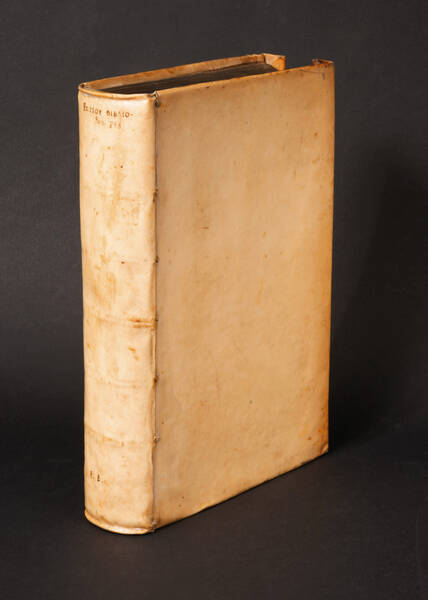
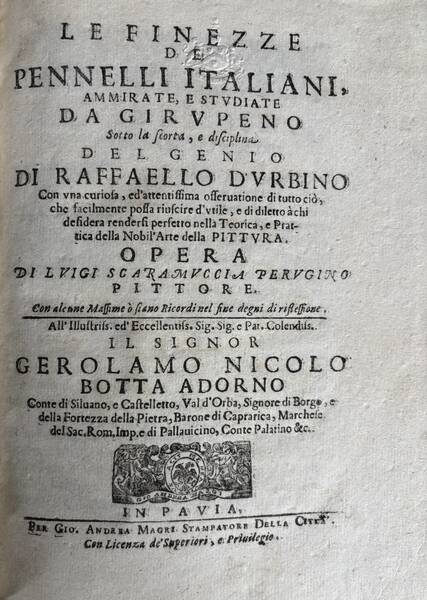
SCARAMUCCIA, Luigi
Le finezze de pennelli italiani, ammirate, e studiate da Girupeno sotto la scorta, e disciplina del genio di Raffaello d'Urbino : con una curiosa,...
€ 1.200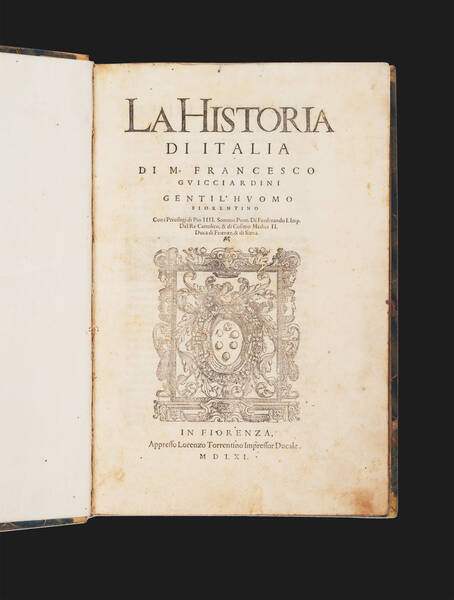
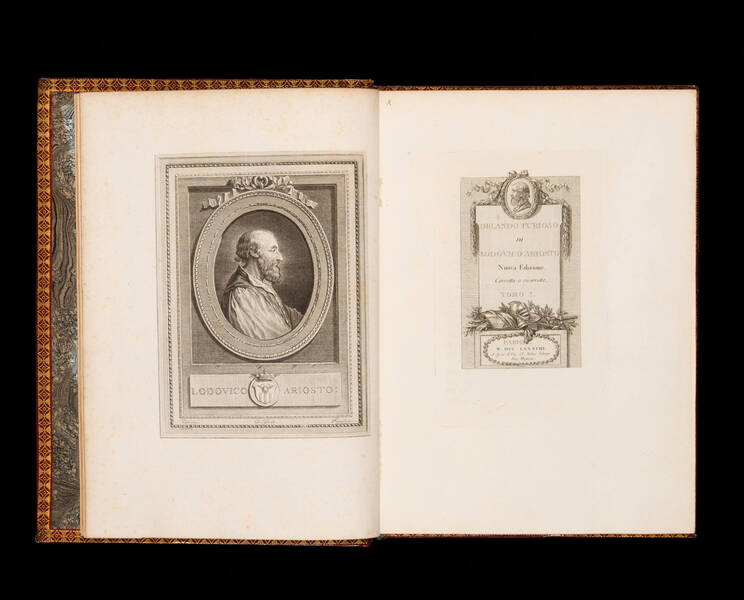
ARIOSTO, Ludovico
Orlando furioso di Ludovico Ariosto. Nuova Edizione Corretta e ricorretta.
€ 6.000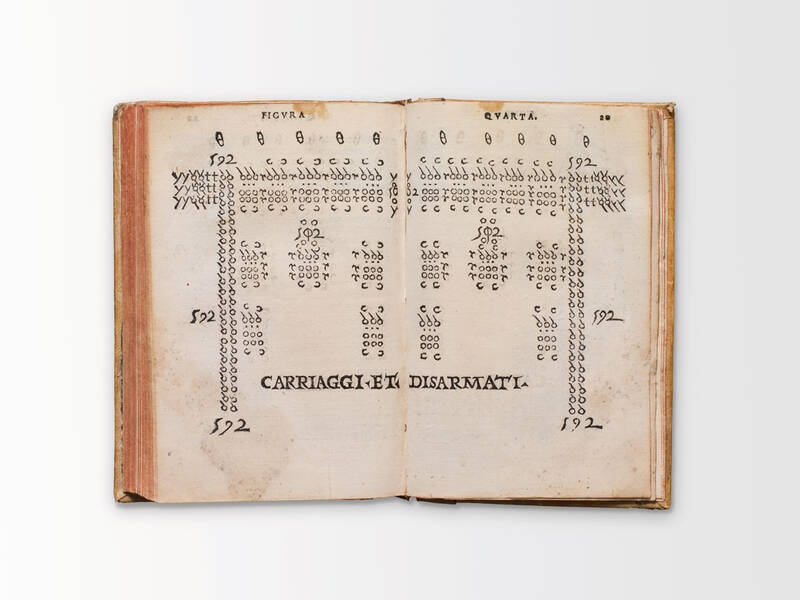
MACHIAVELLI, Niccolò
Libro della Arte della guerra di Niccolò Machiavegli cittadino et segretario fiorentino.
SOLD OUT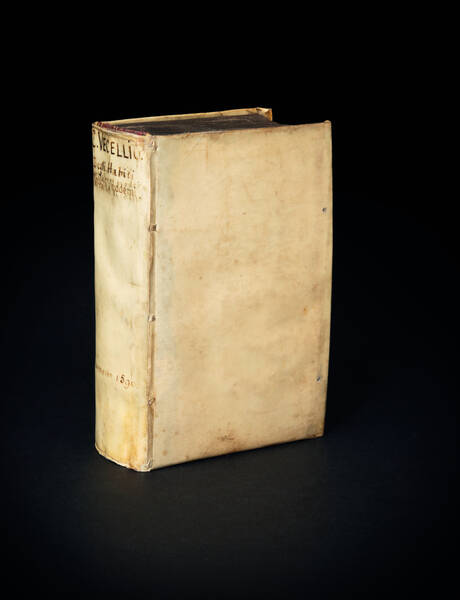
VECELLIO, Cesare
Degli Habiti Antichi, et Moderni di Diverse Parti del Mondo Libri due, fatti da Cesare Vecellio, & con Discorsi da Lui Dichiarati.
€ 7.000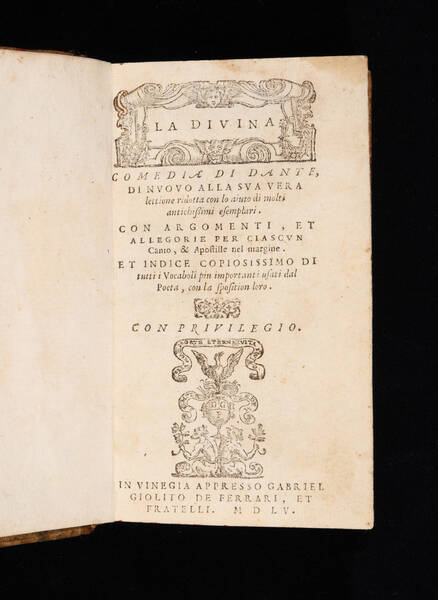
ALIGHIERI, Dante
La Diuina Comedia di Dante, di nuouo alla sua vera lettione ridotta con lo aiuto di molti antichissimi esemplari. Con argomenti, et allegorie per...
SOLD OUT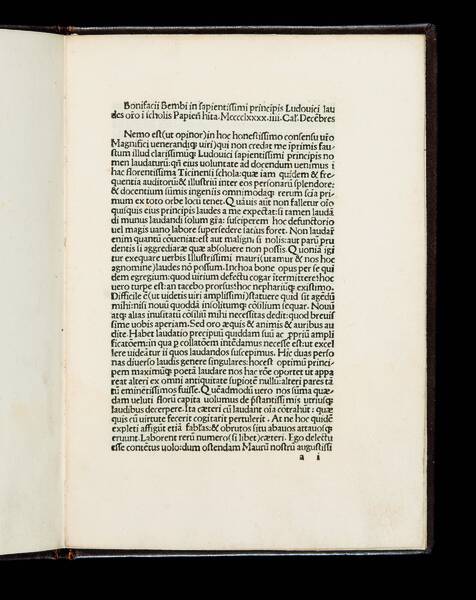
BEMBO, Bonifacio
In sapientissimi principis Ludovici laudes or(ati)o i(n) scholis Papien(sibus) h(ab)ita.
SOLD OUT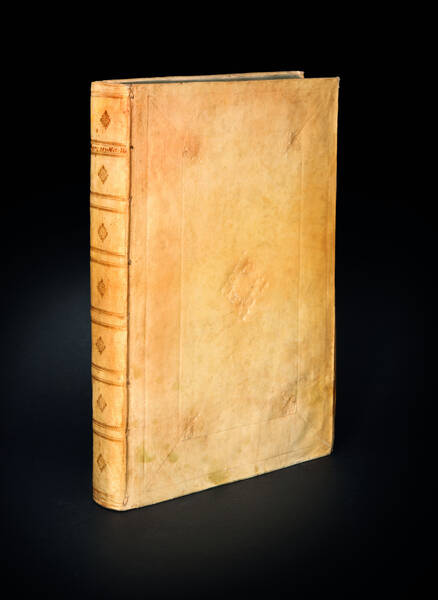
AESOP
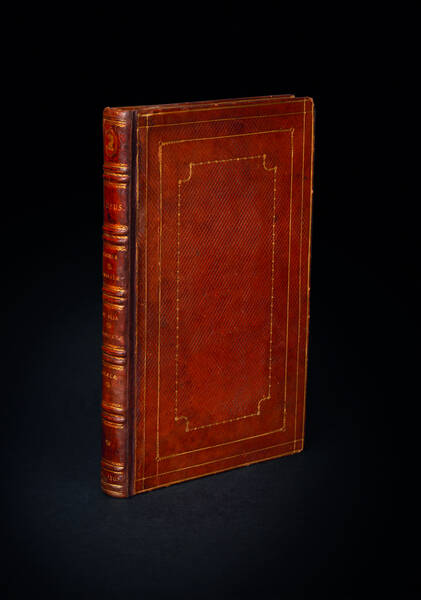
Vita & fabellae Aesopi cum interpretatione Latina ... Gabriae Fabellae tres & quadraginta ... Phurnutus seu, ut alii, Curnutus De natura deorum....
€ 35.000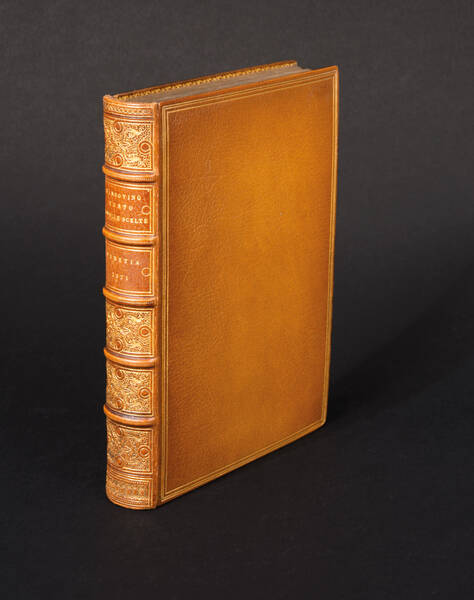
SANSOVINO, Francesco
Cento nouelle scelte da piu nobili scrittori della lingua volgare, con l'aggiunta di cento altre nouelle antiche, non pur belle per inuentione, ma...
€ 3.600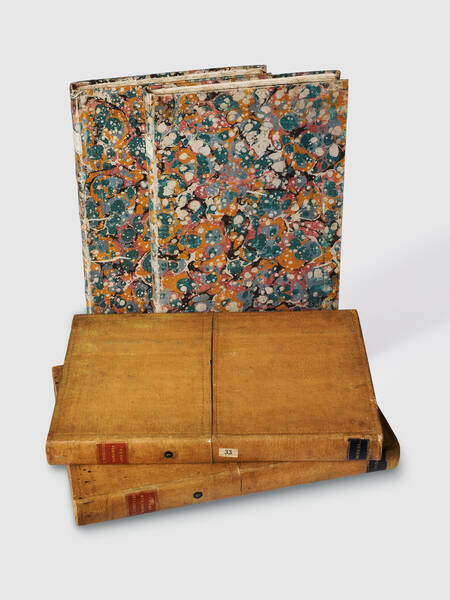

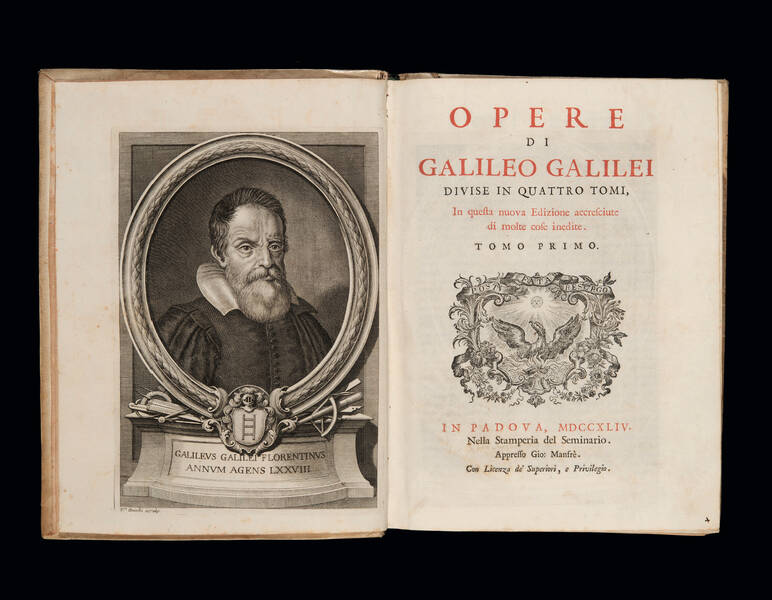
GALILEI, Galileo
Opere, divise in quattro tomi, in questa nuova edizione accresciute de molti cose inedite.
SOLD OUT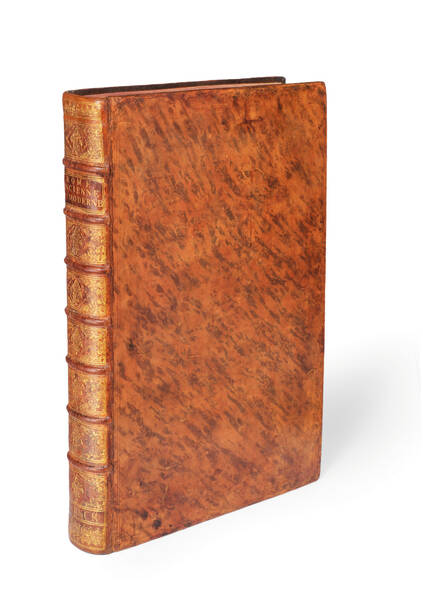
MEDA RIQUIER rare books ltd.
4 Bury Street St James's
SW1Y 6AB London
Phone +44 (0) 7770457377
info@medariquier.com